Blog
Notes from turning ideas into live, running products — AI products, cloud storage, SEO and full-stack practice. The brief is short and frequent; this is long and occasional.
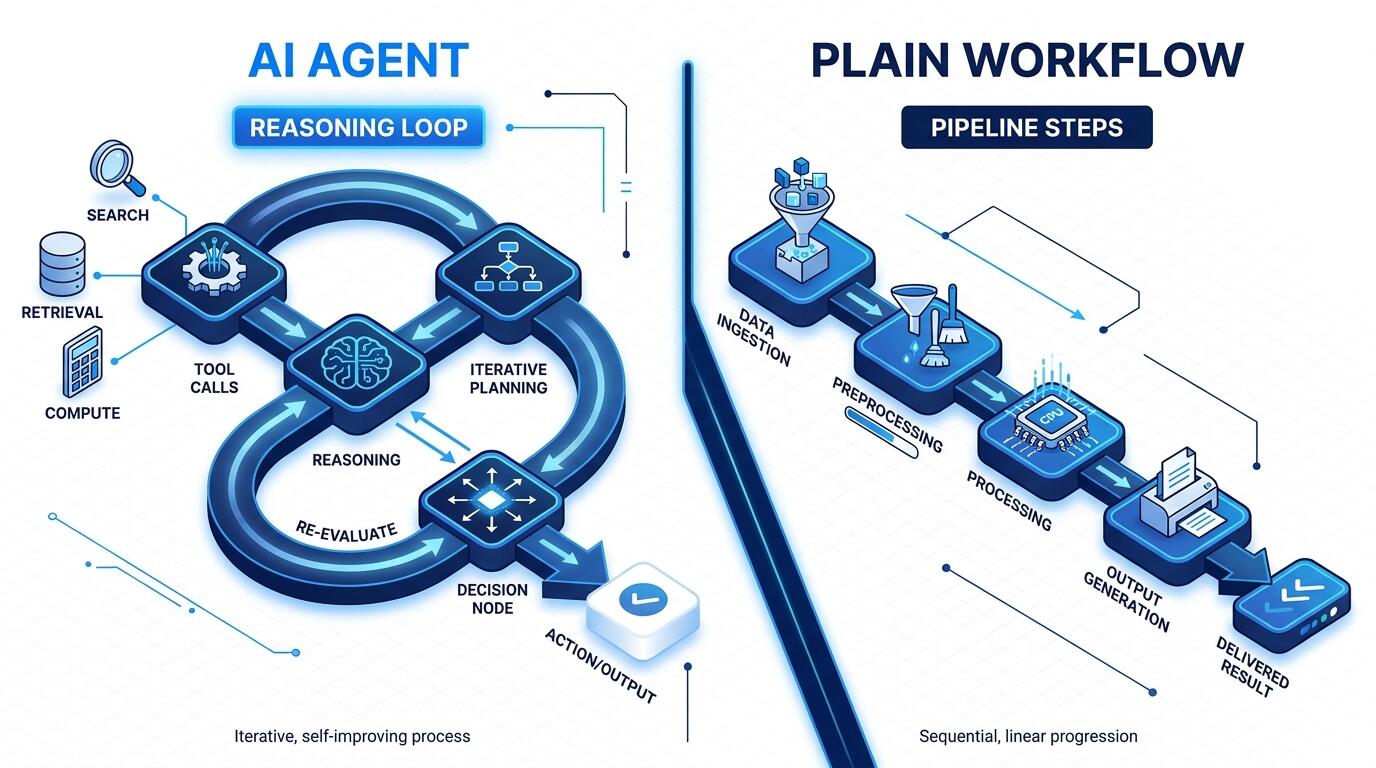
- 2026-10-19 When You Need an Agent and When a Plain Workflow Is Enough This article helps AI product engineers choose between agent and workflow architectures using five criteria: reliability, cost, latency, maintainability, and problem fit. Key takeaway: default to deterministic workflows; use agents only for genuinely open-ended tasks. Hybrid approaches are recommended for production. Read →
- 2026-10-18 Advanced Tactics for Running Multiple Production Services Alone A practitioner-driven guide for solo engineers and small teams operating multiple production AI services. Core argument: operational resilience must be architected upfront via unified observability, failure budgets, async design, and automated recovery. Key takeaways cover alert pruning, deployment isolation, feature flags as kill switches, and incident logging for compounding operational improvement. Read →

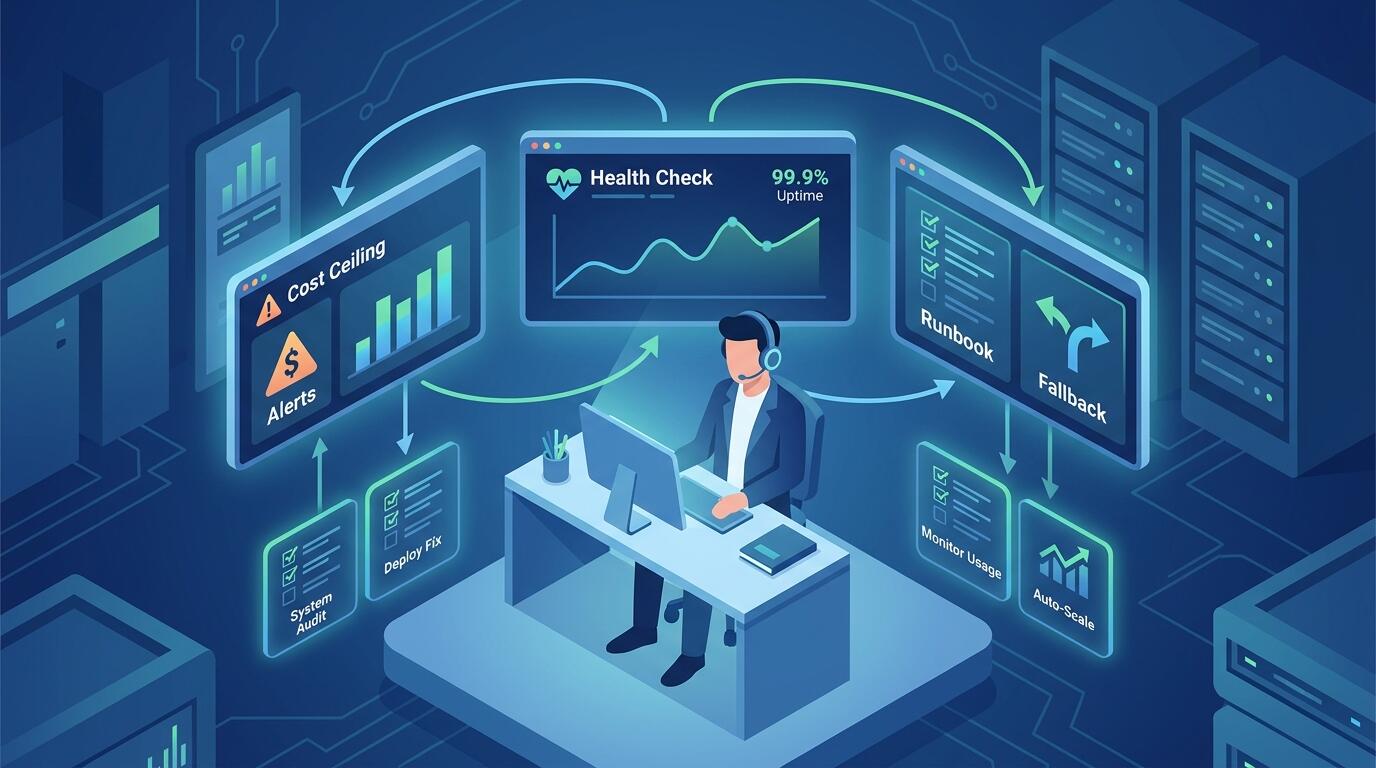
- 2026-10-18 A Solo Engineer's Checklist for Keeping Three Products Online A practical 9-item operational checklist for solo engineers managing three AI products in production simultaneously. Targets indie developers and small-team engineers facing reliability, cost, and incident-response challenges unique to multi-product AI operations. Key takeaways: use per-product observability, enforce proactive cost controls, and document runbooks before incidents occur. Read →
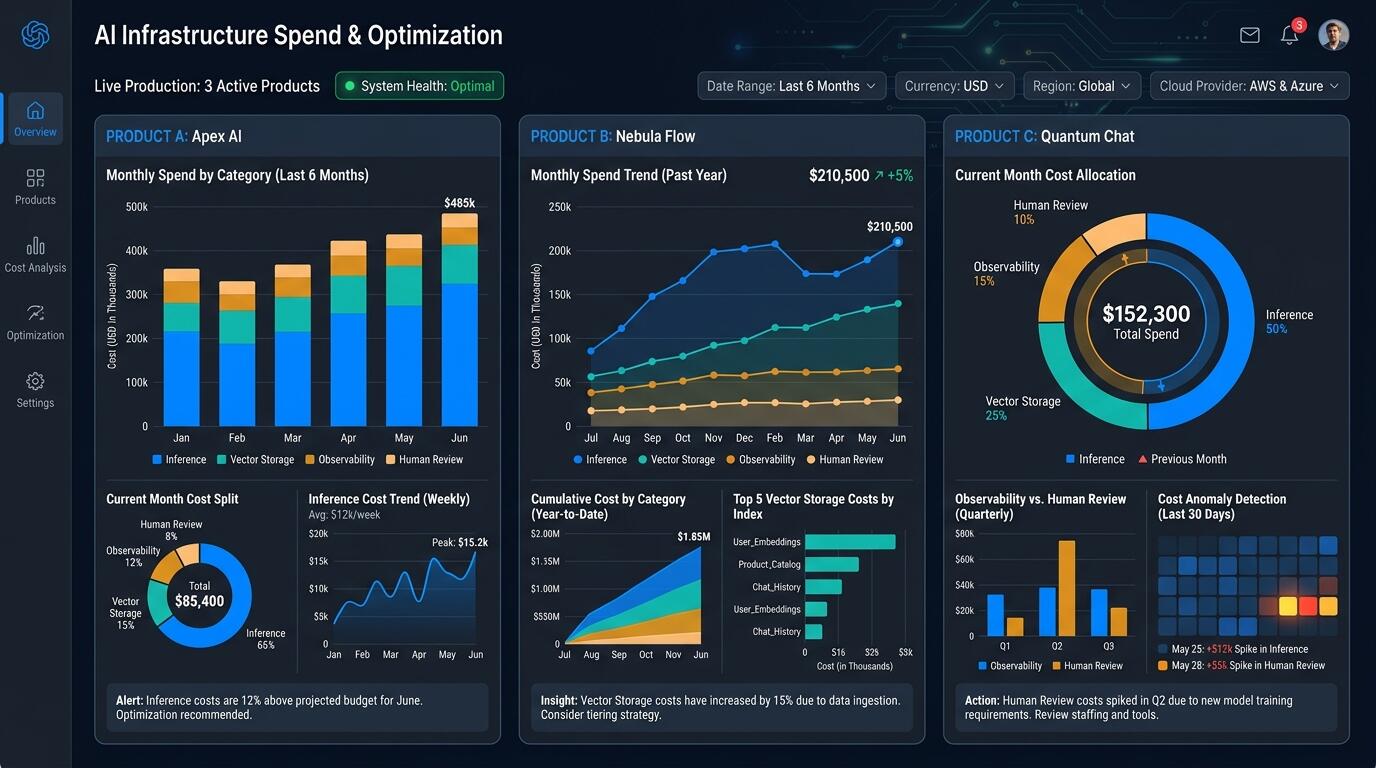
- 2026-10-17 What Does It Cost to Keep Three AI Products Online Every Month? This article analyzes the true steady-state costs of running three AI products in production, arguing that model API fees are rarely the largest expense — infrastructure, vector storage, observability, and human review compound significantly. Targeted at engineering teams and AI product managers, it provides a five-category cost framework, a trade-off comparison table, and three actionable optimization steps. Key takeaway: product-level cost attribution from day one is the most impactful practice for managing multi-product AI economics. Read →
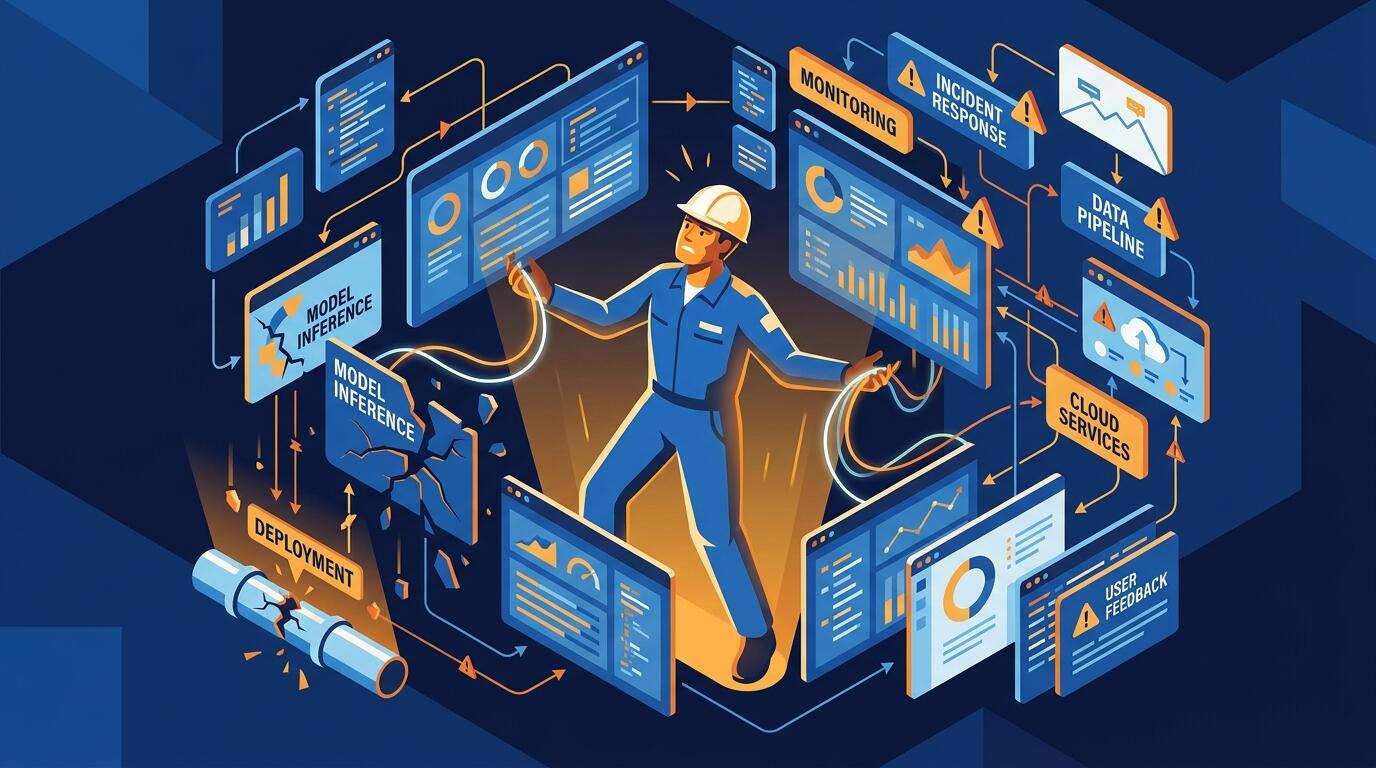
- 2026-10-17 What Breaks First When One Person Owns Every Service This guide diagnoses how single-owner AI service architectures fail in a predictable 7-step sequence — from knowledge loss to deployment fragility to bus-factor risk. Targeting engineers and tech leads on small AI teams, it delivers actionable audits, a troubleshooting table, and a structured transition framework to distribute ownership before outages occur. Read →
- 2026-10-17 Running Three Live AI Services as a Solo Engineer: The Actual Stack This article helps solo AI engineers choose between fully managed, self-hosted, and hybrid production stacks for running multiple live AI services. It argues the hybrid model (managed inference + self-hosted orchestration) offers the best balance of cost predictability, debuggability, and low operational overhead for solo operators at early-to-mid scale. Read →
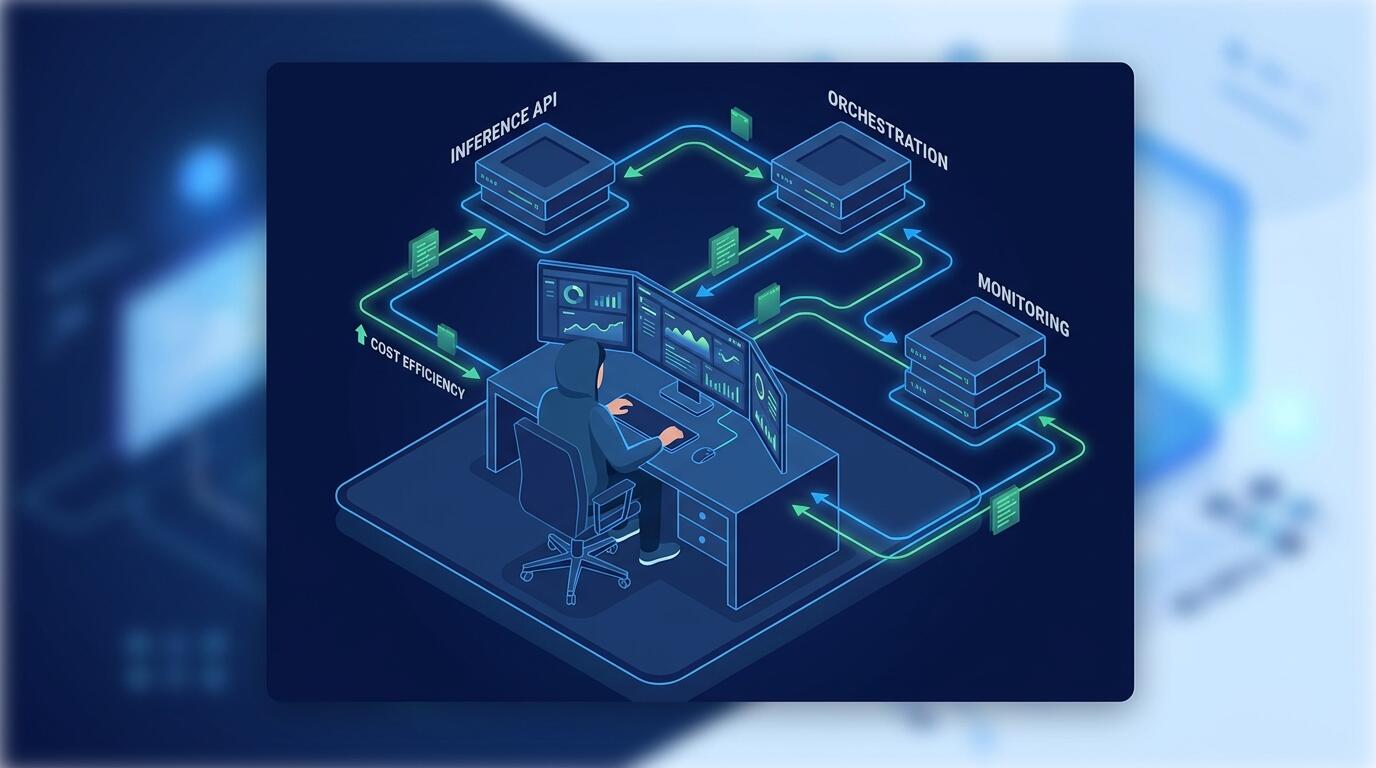
- 2026-10-16 How Much Does It Cost to Make 10,000 Files Semantically Searchable? This article compares four semantic search implementation approaches (managed API, self-hosted OSS, bundled SaaS, in-process FAISS) for 10,000 files, arguing that engineering time—not cloud cost—is the dominant expense. Targeting AI product builders, it delivers actionable architecture guidance with cost breakdowns, trade-off tables, and decision frameworks for prototyping vs. production scenarios. Read →
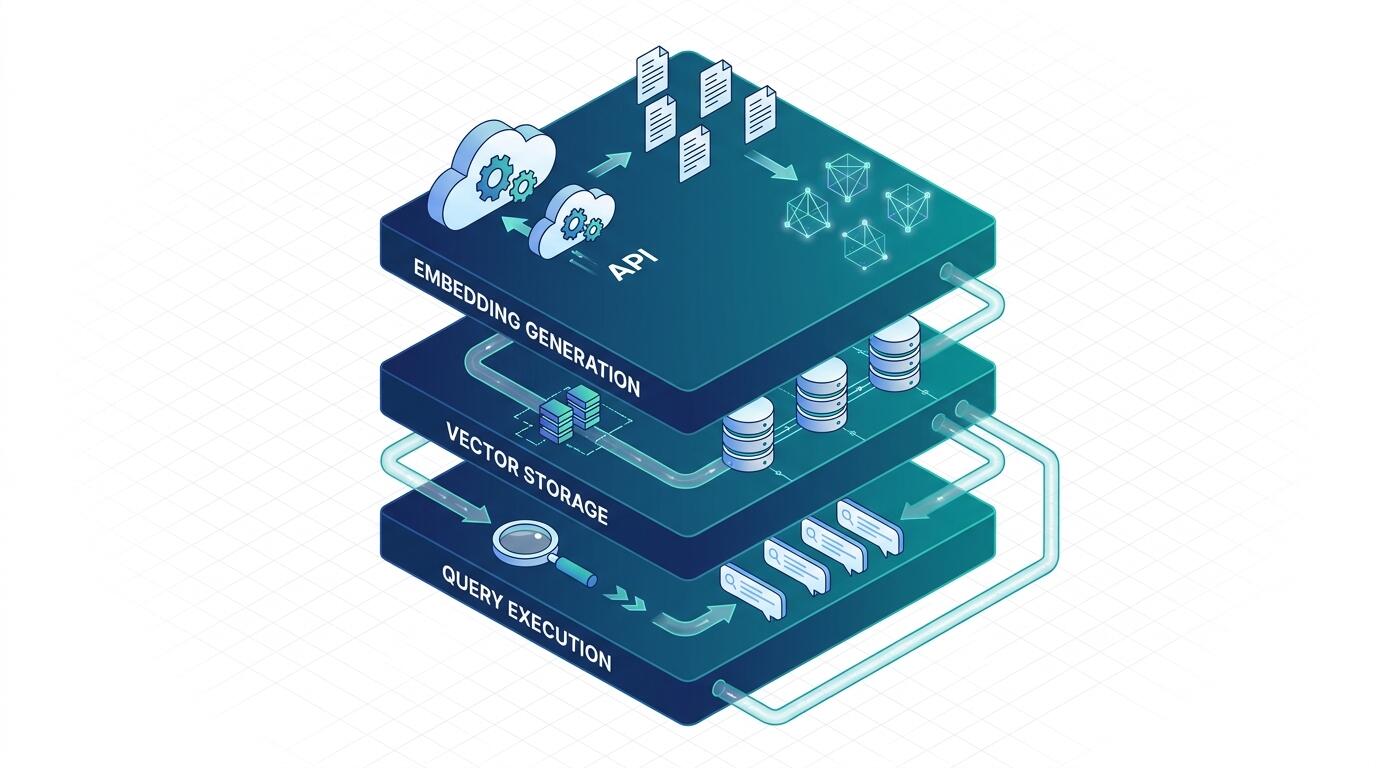
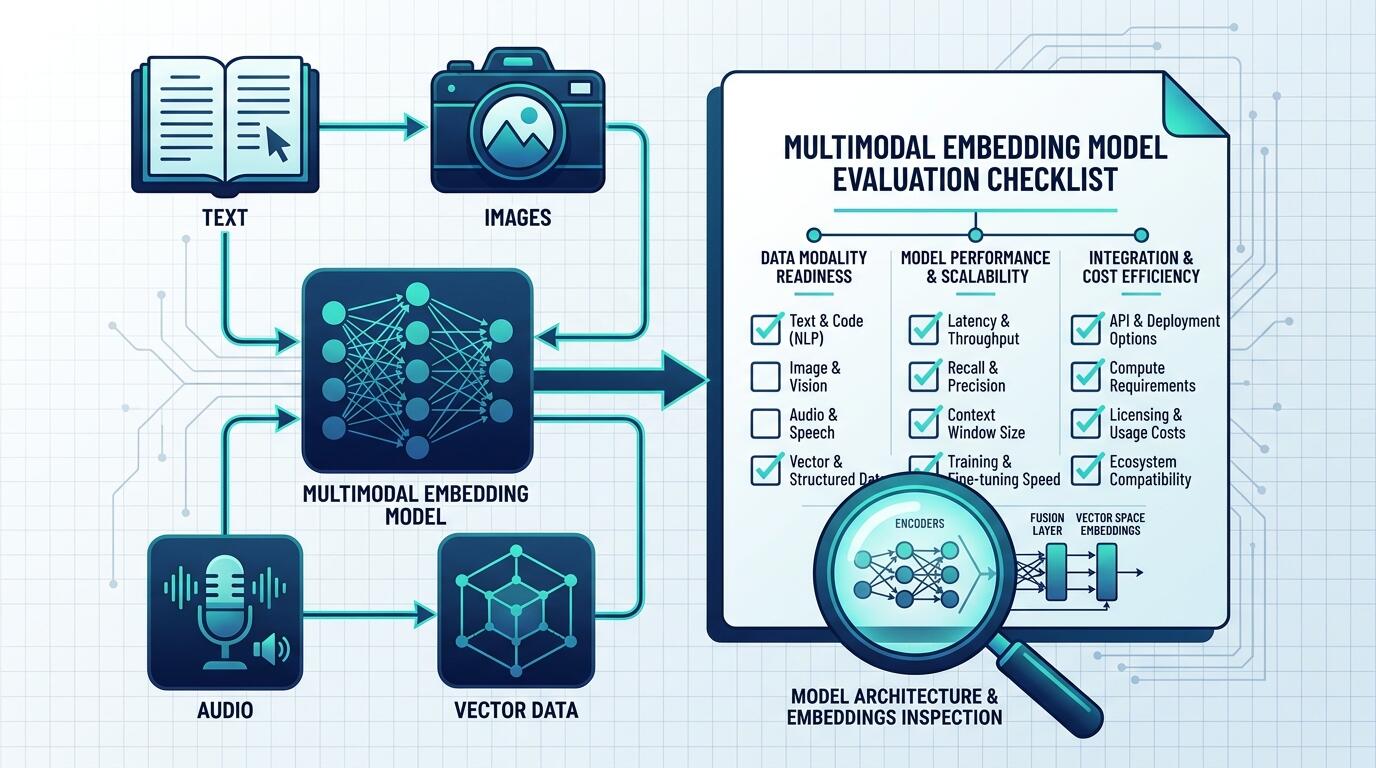
- 2026-10-16 A Founder's Checklist for Evaluating Multimodal Embedding Models A founder-focused, production-grounded checklist for evaluating multimodal embedding models across 8 dimensions: modality alignment, MRL flexibility, latency, fine-tuning, licensing, vector DB compatibility, benchmark honesty, and TCO. Key insight: internal evaluation on your own data always outweighs leaderboard rankings. Targets AI founders and engineering leads building real retrieval products. Read →
- 2026-10-16 Semantic Search 101: What Recall and Precision Mean for Your Files This expert guide explains recall and precision trade-offs in semantic search for AI/RAG product builders managing file corpora. It covers baseline measurement, hybrid retrieval strategies, re-ranking, chunking, and RAG cost impacts. Key takeaway: treat retrieval as an ongoing measurement discipline, not a one-time feature ship. Read →

- 2026-10-15 Moving to a Multimodal Embedding Model: What Recall Actually Did This article guides AI engineers through switching from text-only to multimodal embedding models for retrieval systems, explaining recall mechanics, failure modes (modality confusion, embedding drift), and a 3-step migration framework. It targets ML/product engineers building RAG or search systems with mixed-modality corpora, delivering actionable architecture tradeoffs and evaluation strategies. Read →
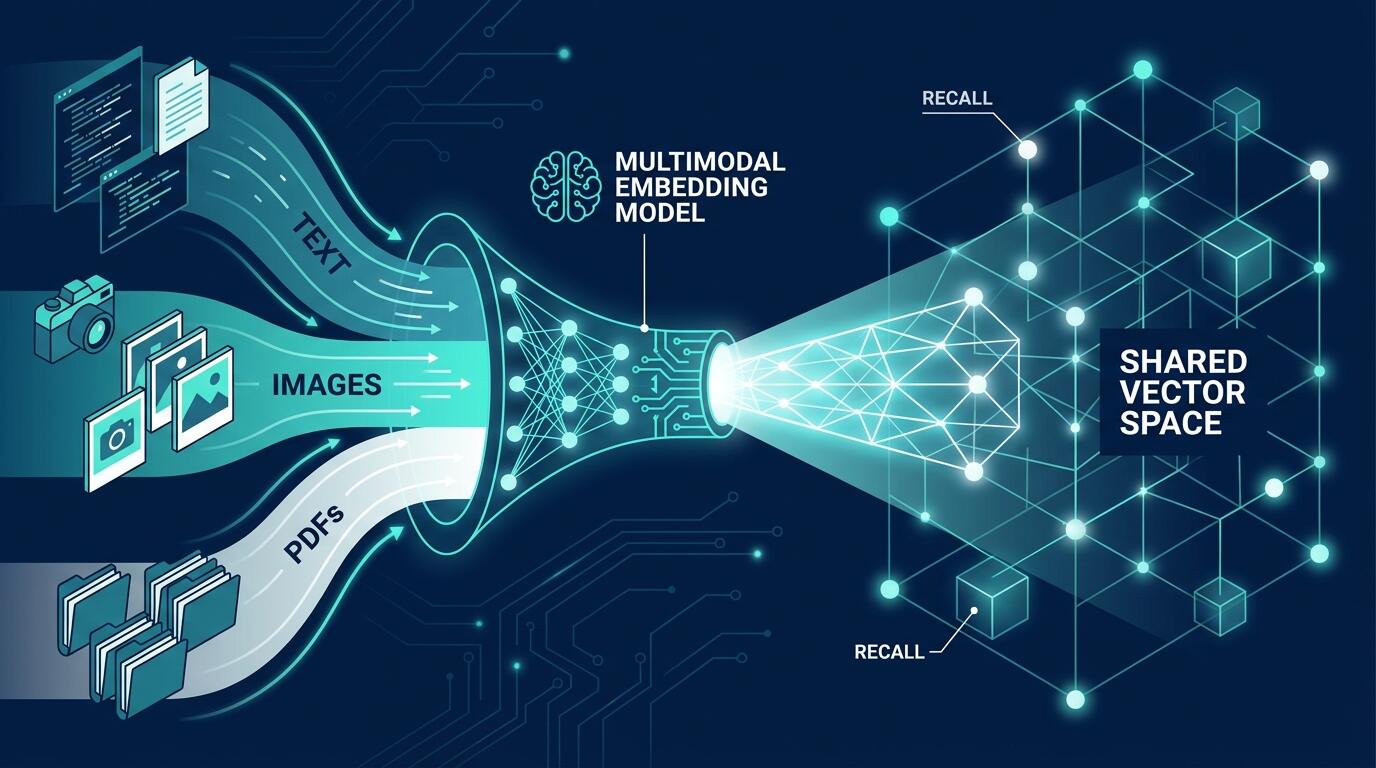
- 2026-10-15 How I Built Semantic File Search Into a Personal Cloud Drive A practitioner-written deep dive into building semantic file search on a personal cloud drive, covering text extraction, chunking, embedding models, vector stores, hybrid search, re-ranking, and index maintenance. Targets developers and self-hosters seeking a real-world decision map. Key takeaway: hybrid search and robust index maintenance are non-negotiable for production quality. Read →

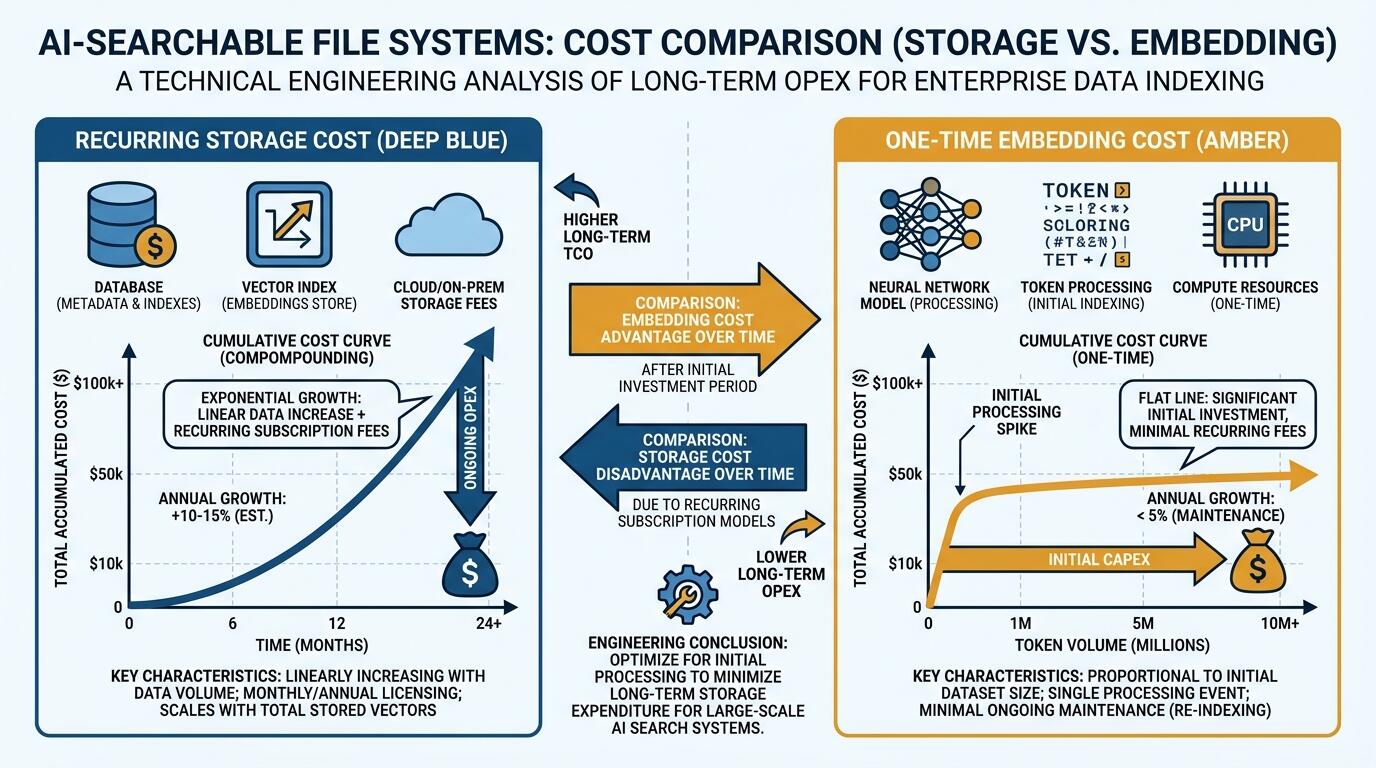
- 2026-10-15 Storage Costs vs. Embedding Costs: The Real Economics of Making Files Searchable This article breaks down the true cost of making files AI-searchable, distinguishing embedding costs (one-time, ingestion-driven) from storage costs (recurring, corpus-driven). Targeting AI product builders and engineers, it compares four architectures — from managed vector DBs to fully self-hosted stacks — with a decision framework based on corpus churn rate and query volume. Key takeaway: match architecture to your scale and operational maturity, not just upfront price. Read →
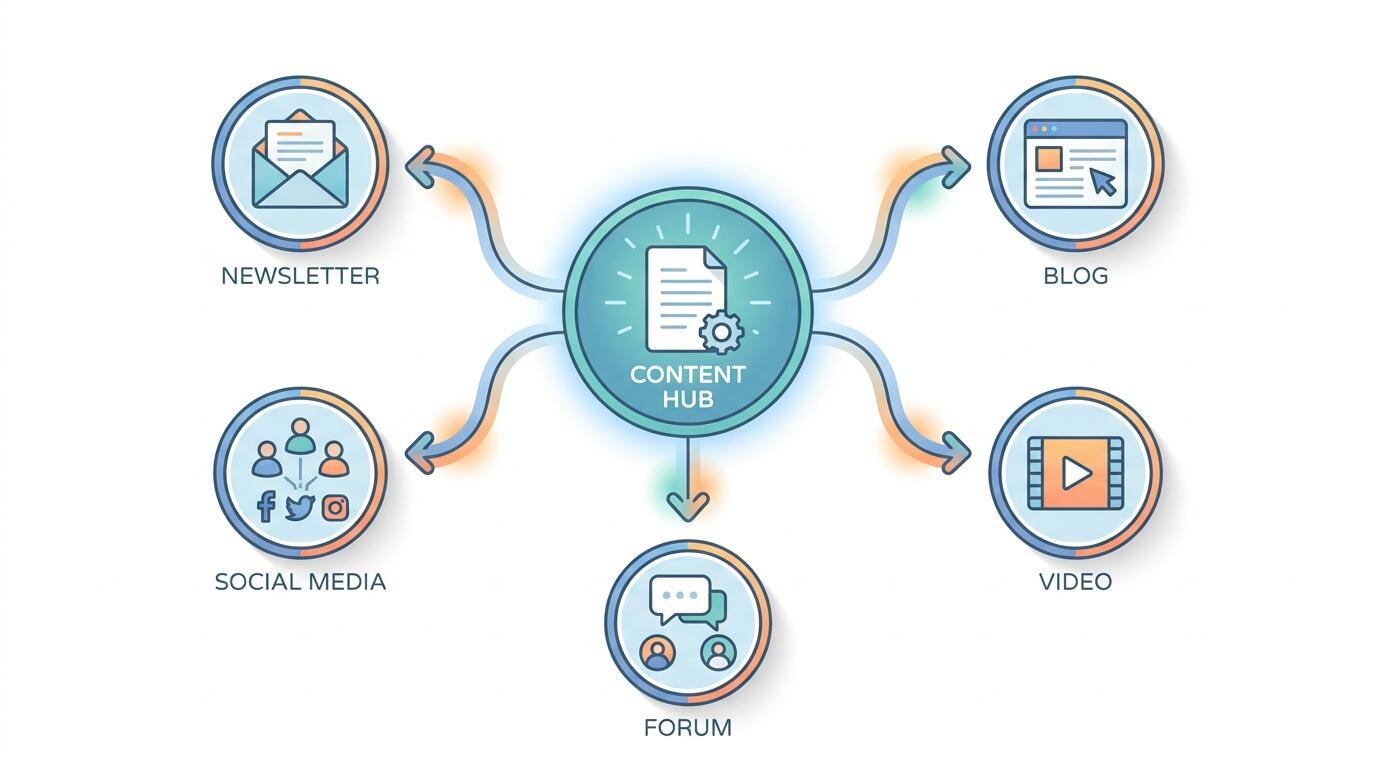
- 2026-10-14 A Beginner's Guide to Multi-Surface Content Distribution A comprehensive practitioner guide on multi-surface content distribution for engineers, PMs, and indie developers building AI-adjacent products. Core argument: effective distribution requires a strong pillar, surface-specific adaptation rules, and treating the distribution system itself as a product. Key takeaways: start with 2–3 surfaces, document per-surface briefs, prioritize resonance over reach, and iterate the system — not just the content. Read →
- 2026-10-14 Why Bilingual Publishing Is Harder Than It Looks: A Builder's View for This Quarter This article argues that bilingual publishing for AI products is a systems-design challenge—not a translation task—identifying four failure modes: structural mismatch, terminology drift, cadence misalignment, and audience context gaps. Targeting AI product builders serving English and Chinese technical audiences, it recommends AI-assisted parallel drafting with human review, explicit editorial rules, and front-loaded pipeline design as the most viable high-quality, scalable approach. Read →
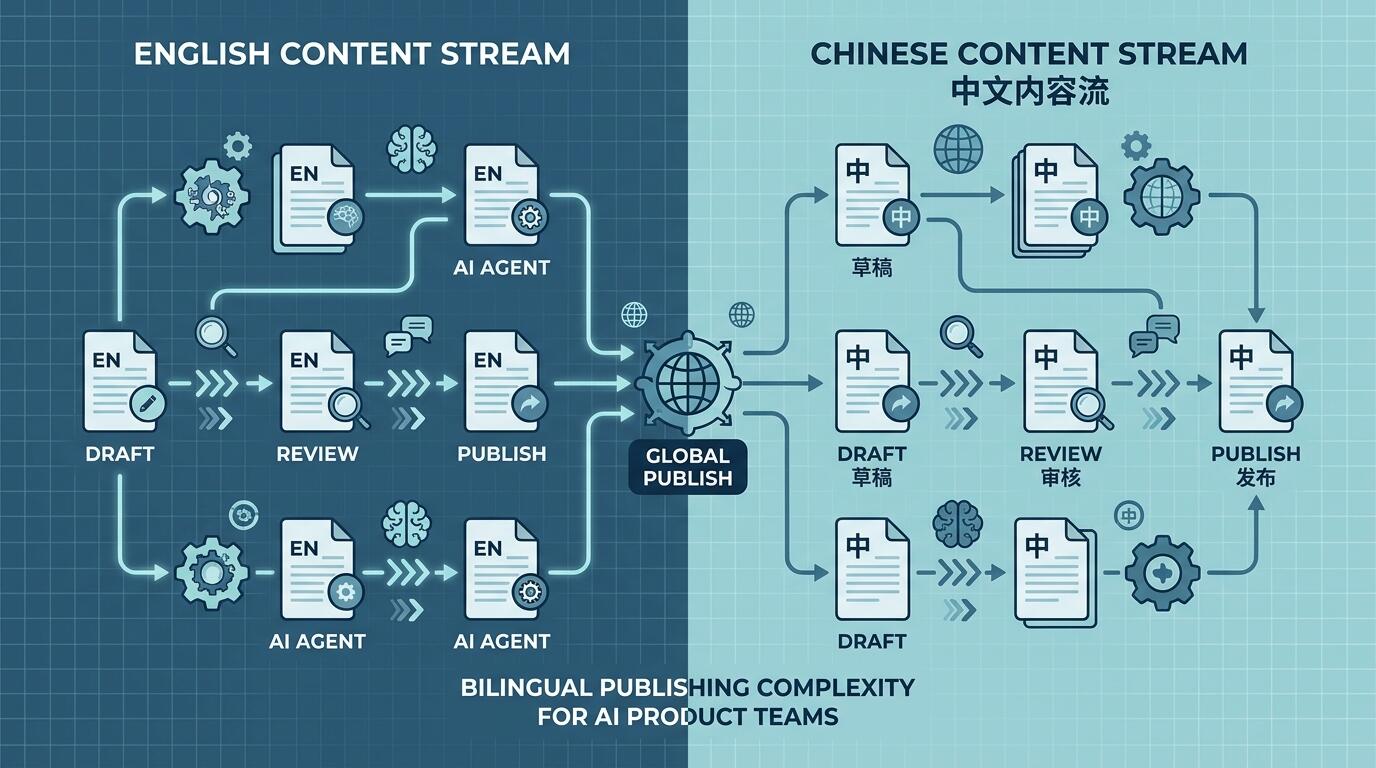
- 2026-10-13 Running a Bilingual Publication Where English Is the Draft Language This article explains why English-first drafting is the optimal workflow architecture for bilingual AI newsletters targeting both English and Chinese technical audiences. It covers terminology consistency, voice preservation, LLM translation limits, and bilingual SEO asymmetry. Key takeaway: a living glossary and treating translation as editorial review are critical to publication quality and reader trust. Read →

No posts yet