Blog
Notes from turning ideas into live, running products — AI products, cloud storage, SEO and full-stack practice. The brief is short and frequent; this is long and occasional.
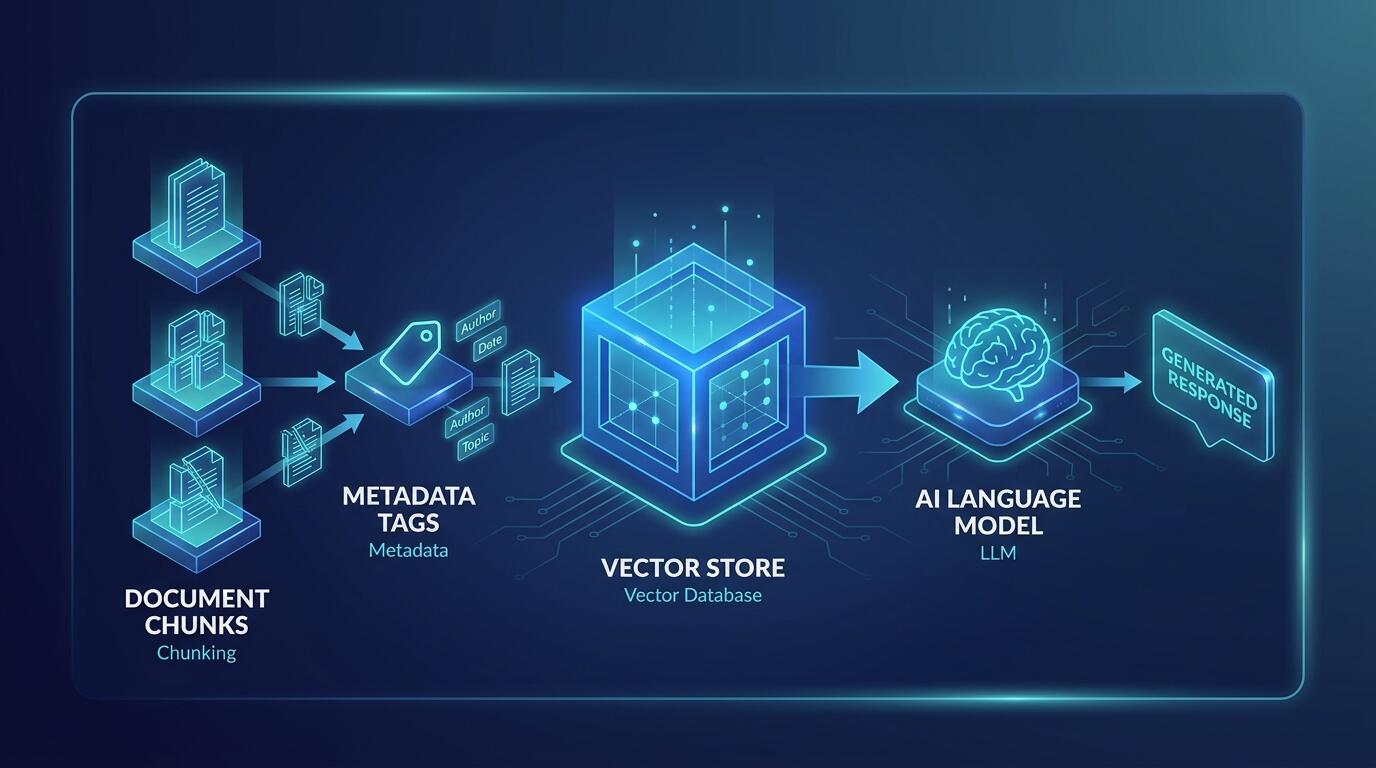
- 2026-10-24 A Beginner's Guide to RAG: Chunking and Metadata Basics A practical, expert-level guide on RAG chunking and metadata design for engineers building production AI systems. Covers strategy selection, chunk sizing, metadata schemas, retrieval testing, and index maintenance. Key takeaway: treat RAG chunking as an empirical tuning loop, not a one-time config, and separate retrieval from generation evaluation. Read →
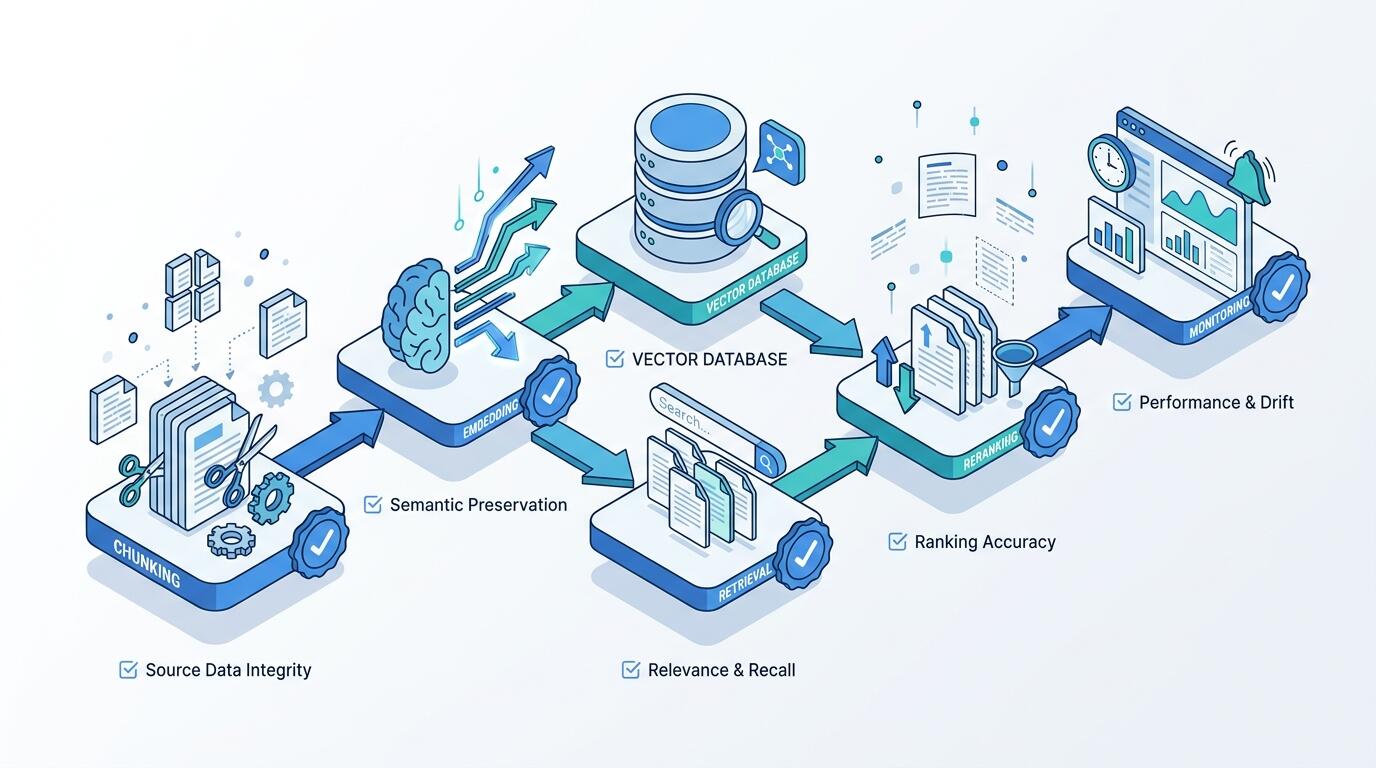
- 2026-10-24 RAG Retrieval Quality Checklist for Production Teams A practitioner-authored checklist covering 8 high-impact retrieval quality checks for production RAG systems, targeting AI engineers and technical leads. Core argument: retrieval failures—not generation—cause most RAG degradation. Key takeaways: measure recall/precision first, fix chunking and embedding before prompting, and treat retrieval monitoring as ongoing operational infrastructure. Read →
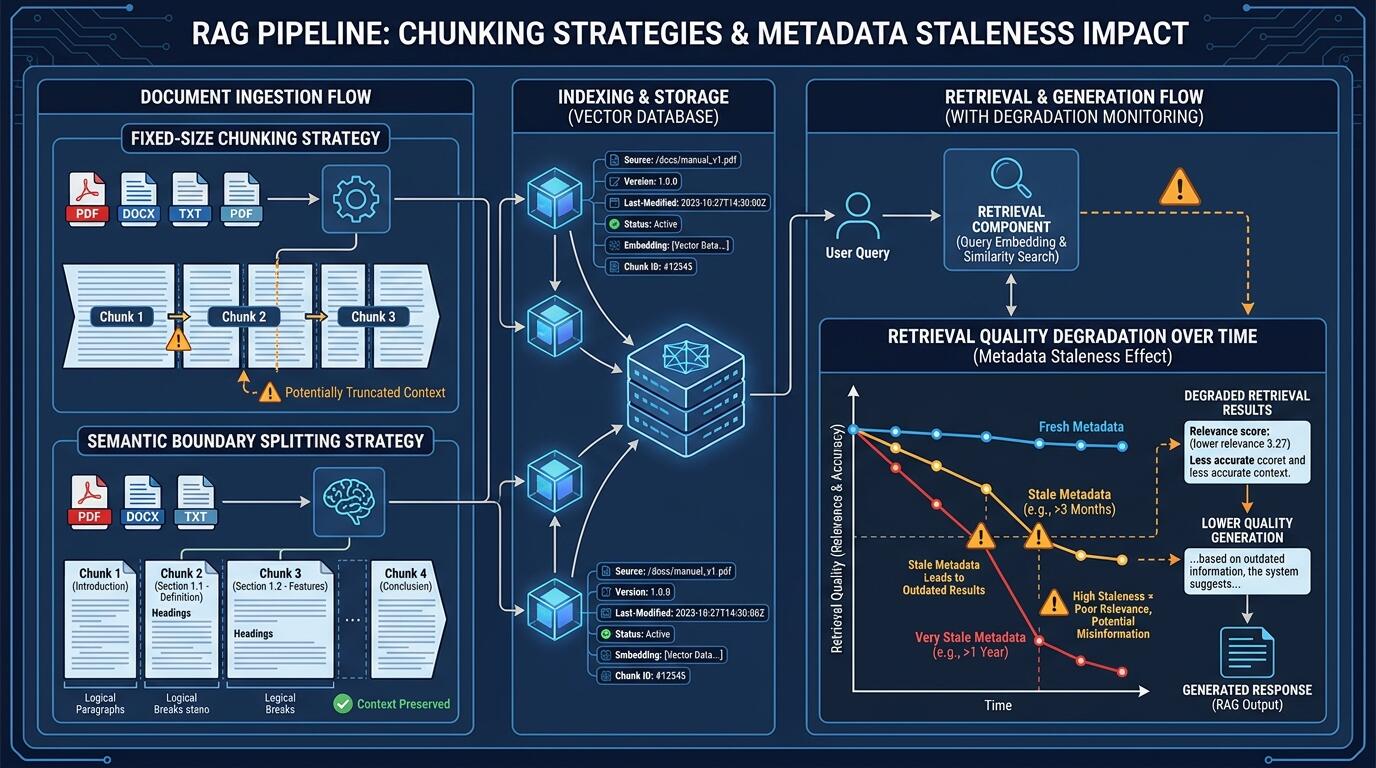
- 2026-10-23 Chunking, Metadata, and Why Retrieval Quality Degrades in Production This article diagnoses why production RAG systems degrade over time, pinpointing chunking strategy and metadata design as root causes. Targeting AI/ML engineers, it offers actionable fixes: use semantic chunking, build rich metadata schemas from day one, and monitor retrieval quality on live traffic — not just static benchmarks. Read →
- 2026-10-23 Building a RAG System That Survives Real User Data A practical engineering guide on taking RAG systems from prototype to production, targeting ML engineers and AI product builders. Core argument: demo RAG fails in production due to corpus quality, poor chunking, and silent retrieval failures — not LLM limits. Key takeaways: build a retrieval evaluation harness first, use hybrid retrieval, enforce re-ranking and metadata filtering, and treat index maintenance as an operational priority. Read →

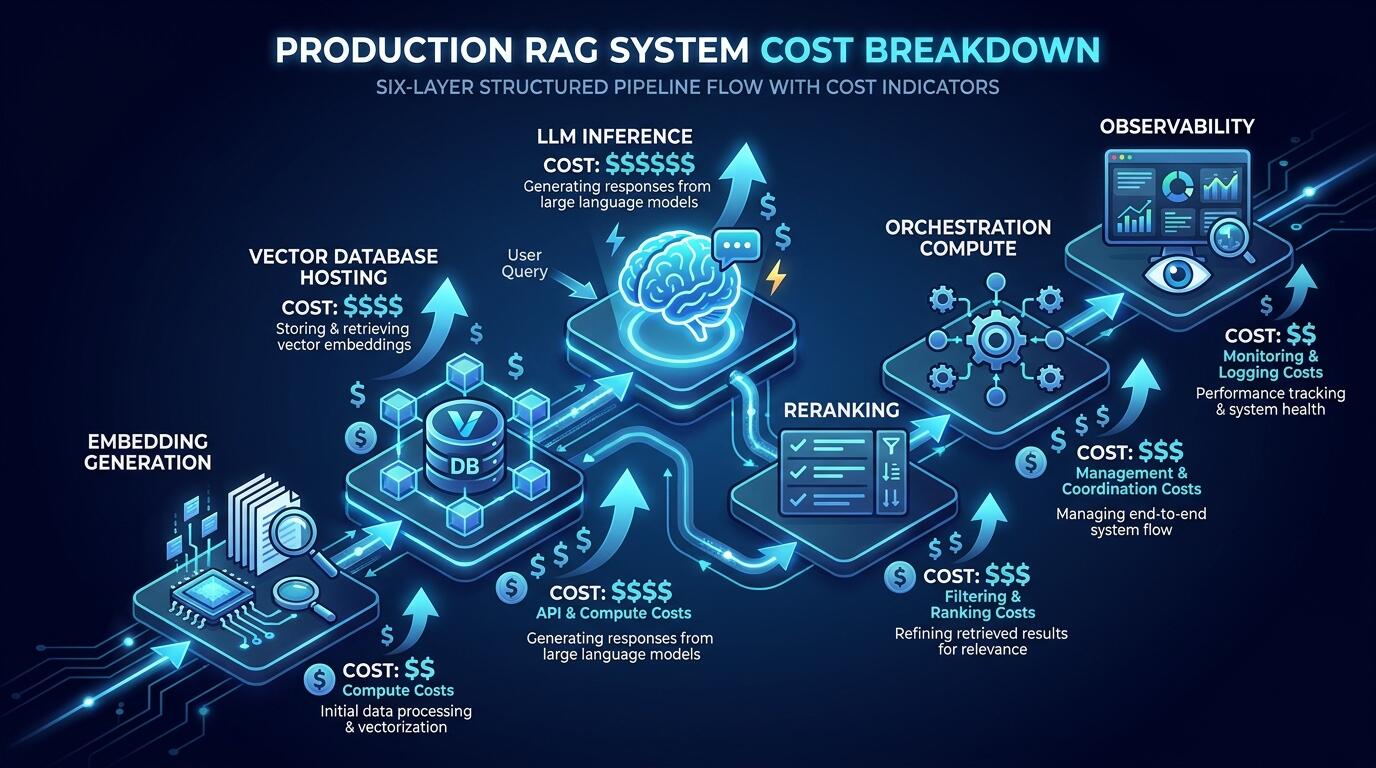
- 2026-10-23 What Does It Actually Cost to Run a RAG System for a Month? This article delivers a comprehensive cost breakdown of production RAG systems, targeting AI engineers and technical leads who've shipped prototypes and face unexpected cloud bills. It systematically covers all six cost layers — embedding, vector DB, LLM inference, reranking, orchestration, and observability — with actionable optimization guidance and a staged roadmap (pre-launch → early production → scaling). Key takeaway: LLM token count is the #1 cost lever, not model switching. Read →
- 2026-10-22 A Founder's Guide to Evaluating New Model Releases This Quarter A structured 7-step framework for founders and engineering leads to rigorously evaluate new AI model releases for production use — covering capability mapping, cost-per-token analysis, latency profiling, vendor risk, and scoped rollout decisions. Key takeaway: replace hype-driven model swaps with repeatable, dataset-backed, reversible adoption processes. Read →

- 2026-10-22 Model Routing Checklist: Five Questions Before You Switch Models This article presents a five-question pre-switch checklist for AI engineering teams evaluating model routing changes in production. Targeting LLM product builders, it covers success criteria definition, prompt audits, full cost modeling, rollback readiness, and tail-distribution validation. Key takeaway: model routing is an ongoing operational discipline, not a one-time decision. Read →
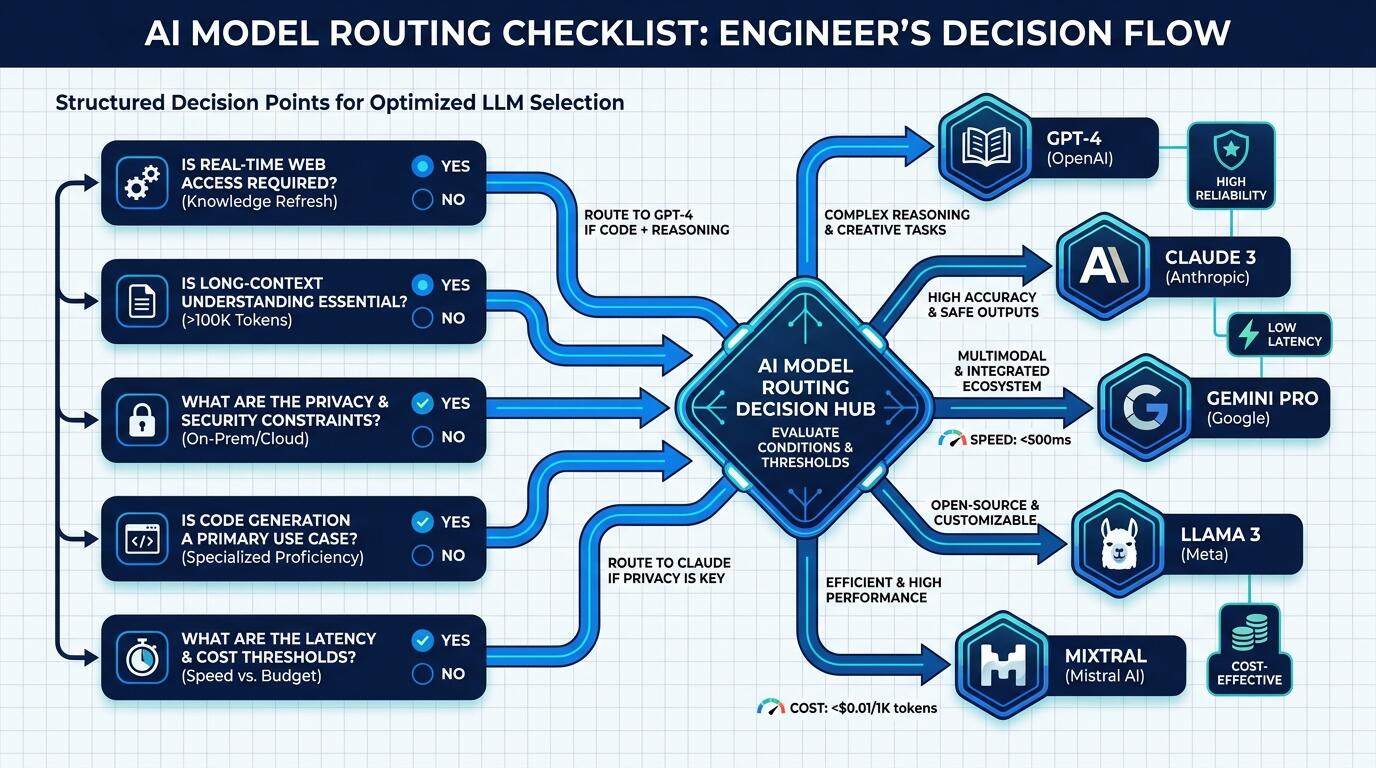
- 2026-10-22 Open Weights vs API: A Side-by-Side Comparison for Small Teams This guide helps small engineering teams choose between open-weights LLMs and commercial APIs by comparing cost, privacy, latency, and vendor risk. It offers scenario-based recommendations and a hybrid approach. Key takeaway: start with APIs for speed, migrate to open-weights as scale and compliance needs grow. Read →
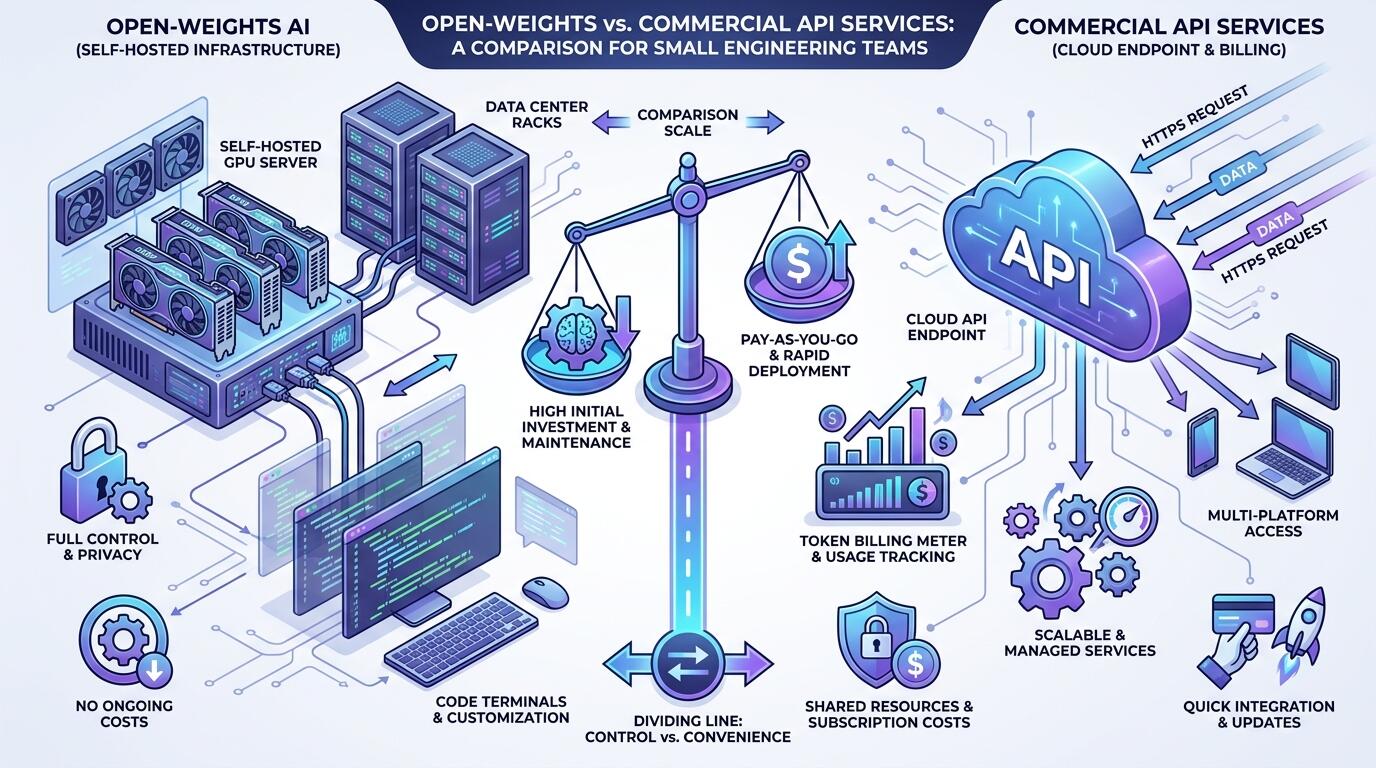
- 2026-10-21 Evaluating a New Model Release Against Your Own Workload This article teaches AI product teams a workload-first methodology for evaluating new model releases before migrating. It argues that generic benchmarks mislead and only production-specific evaluation of quality, latency, and cost drives sound migration decisions. Key takeaways: build a real task dataset, define measurable success criteria, and always calculate switching costs. Read →

- 2026-10-21 Model Routing: Cutting AI Costs Without Cutting Output Quality This article compares AI model routing strategies (single-model, classifier-based, cascading, semantic embedding) for production cost reduction. Targeting AI product builders, it argues routing wins on economics but demands discipline. Key takeaways: prioritize worst-case quality, match architecture to product maturity, and treat debuggability as a production cost. Read →
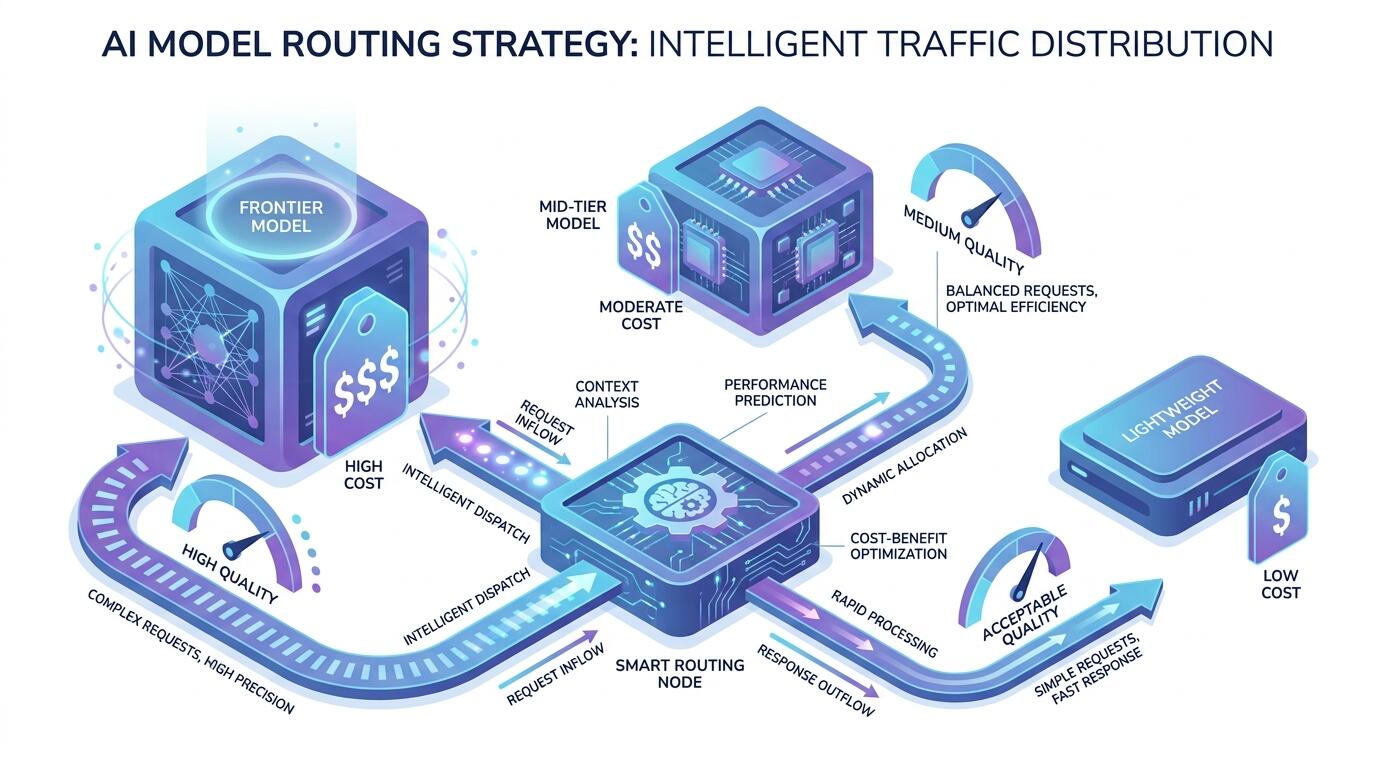
- 2026-10-21 Open Weights vs. API: How to Decide for a Production Feature A practical 7-step decision framework for engineers choosing between self-hosted open-weights LLMs and commercial API models for production AI features. Covers data sovereignty, latency, TCO, customization, and vendor risk. Key takeaway: run the data filter first; self-hosting costs more operationally than expected. Read →
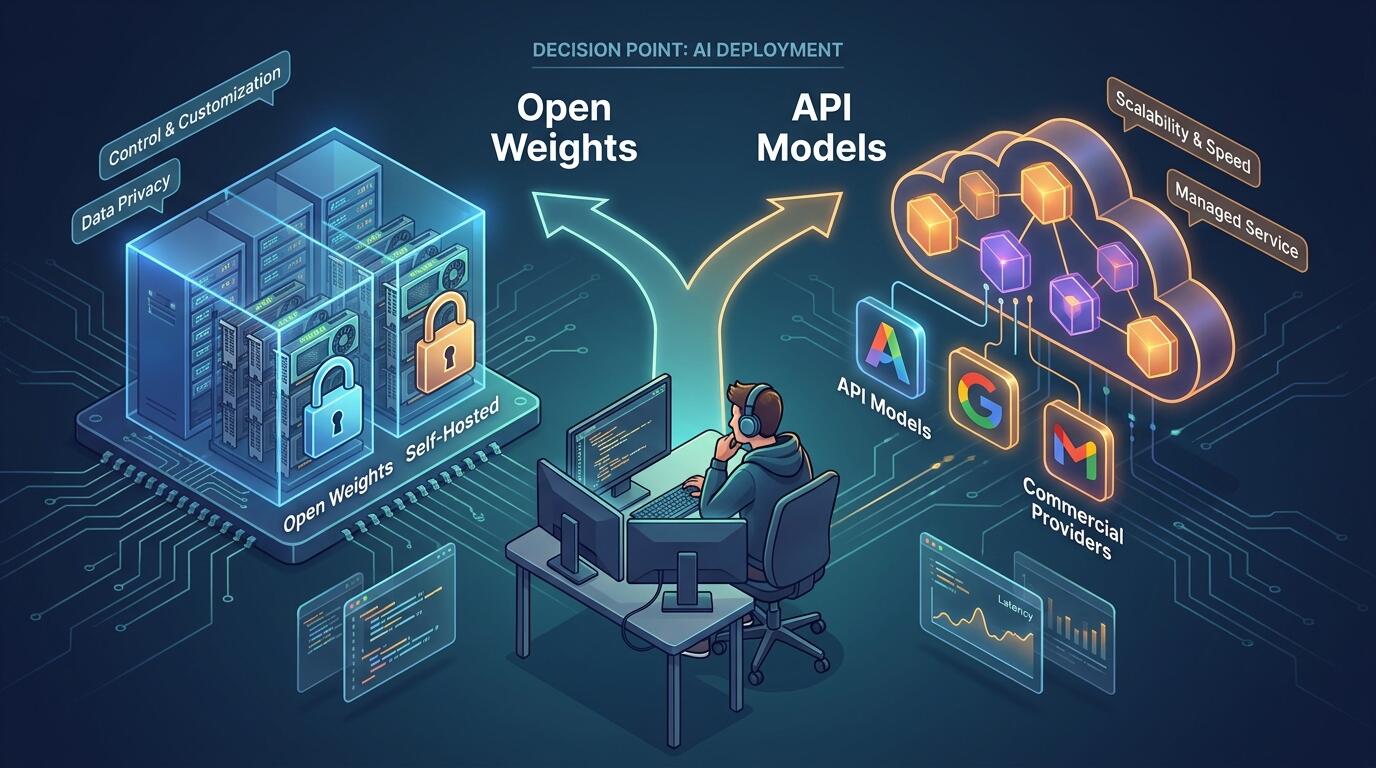
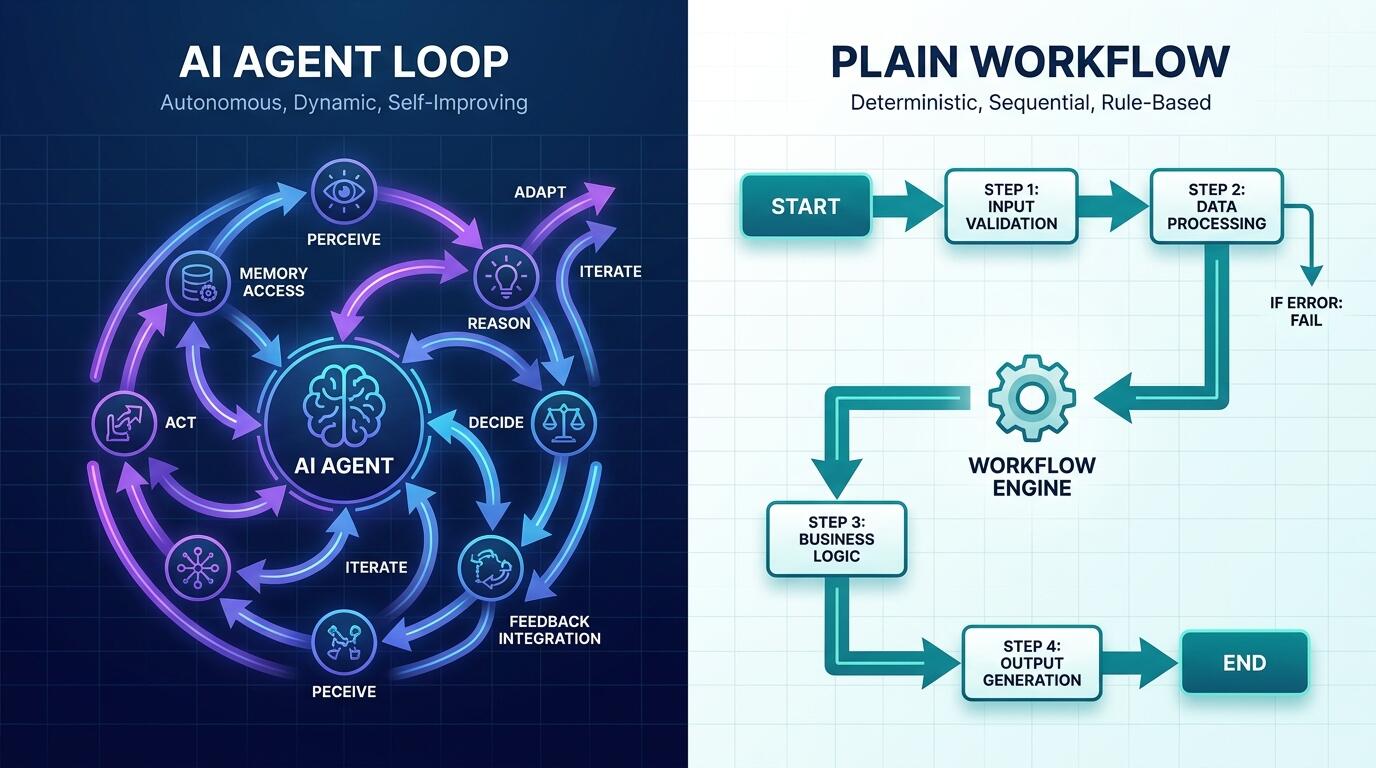
- 2026-10-20 Agents vs Plain Workflows: A Comparison for This Quarter's Builders This article compares AI agents vs. plain workflows for product builders and engineers, arguing neither is universally superior. The right choice depends on task structure, input predictability, cost tolerance, and observability readiness. Key takeaway: default to plain workflows for bounded tasks; use agents only for genuinely open-ended reasoning with proper guardrails. Read →
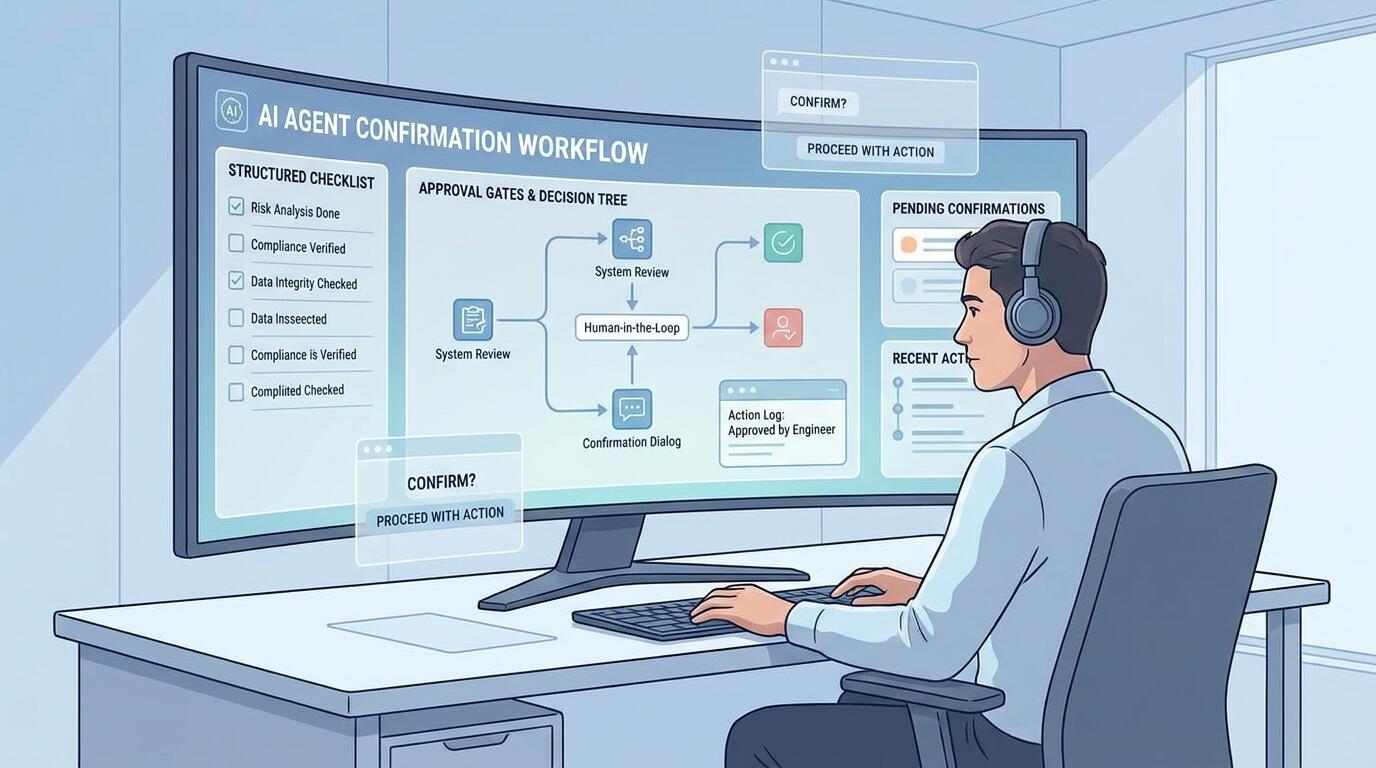
- 2026-10-20 A Checklist for Designing Human-in-the-Loop Agent Confirmation An 8-dimension practitioner checklist for designing human-in-the-loop (HITL) agent confirmation systems in production AI. Targets engineers building agentic workflows. Key takeaways: classify actions by reversibility, define reviewer context, set approval scope/expiry, prevent confirmation fatigue, build audit logs, and close feedback loops. Read →
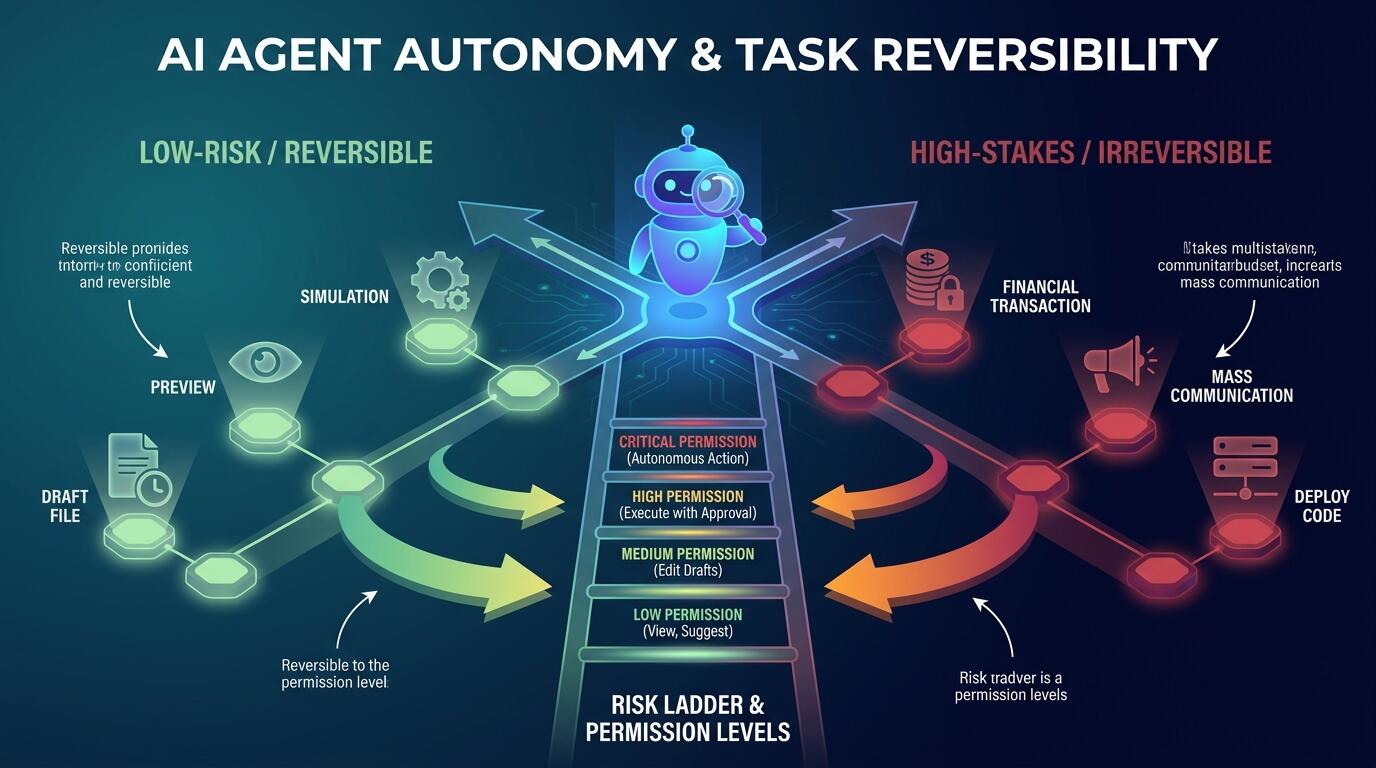
- 2026-10-19 Why Agent Autonomy Should Scale With Task Reversibility This article argues that AI agent autonomy must be calibrated to task reversibility—irreversible actions require human confirmation while reversible ones can run freely. Targeting AI engineers and product teams, it introduces the "autonomy ladder" framework, warns against sequential irreversibility, and provides a comparison table of gating approaches, actionable audit steps, and a FAQ. Key takeaway: map your action catalog by reversibility class before writing any gating logic. Read →
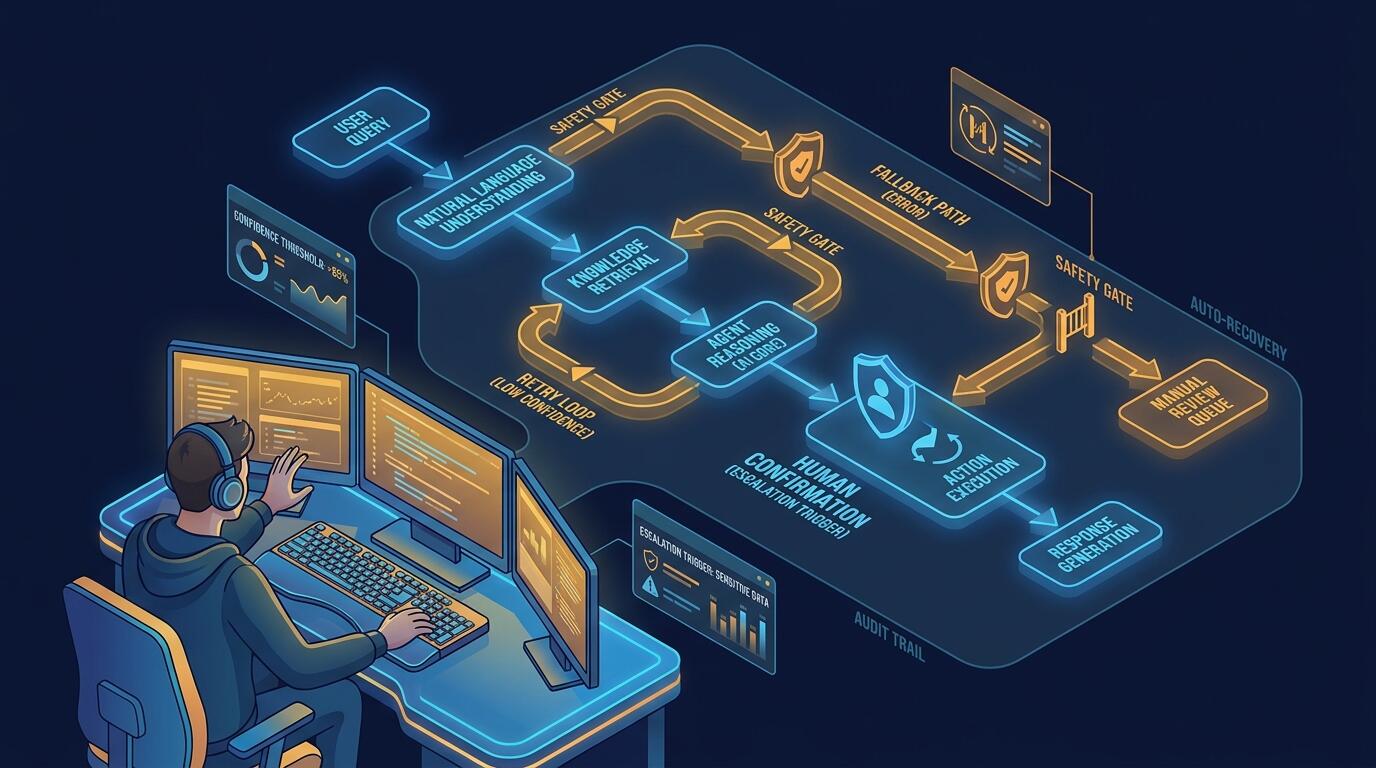
- 2026-10-19 Designing Fallbacks and Human Confirmation Into Agent Systems This article teaches engineers how to build reliable AI agent systems using fallback mechanisms and human confirmation checkpoints. Targeting AI/ML engineers and product teams deploying autonomous agents in production, it argues that graceful degradation and human-in-the-loop design are foundational — not afterthoughts. Key takeaways: classify actions by reversibility/stakes, implement retry-fallback-escalate layers, and treat confirmation gates as feedback signals for continuous improvement. Read →
No posts yet