Blog
Notes from turning ideas into live, running products — AI products, cloud storage, SEO and full-stack practice. The brief is short and frequent; this is long and occasional.
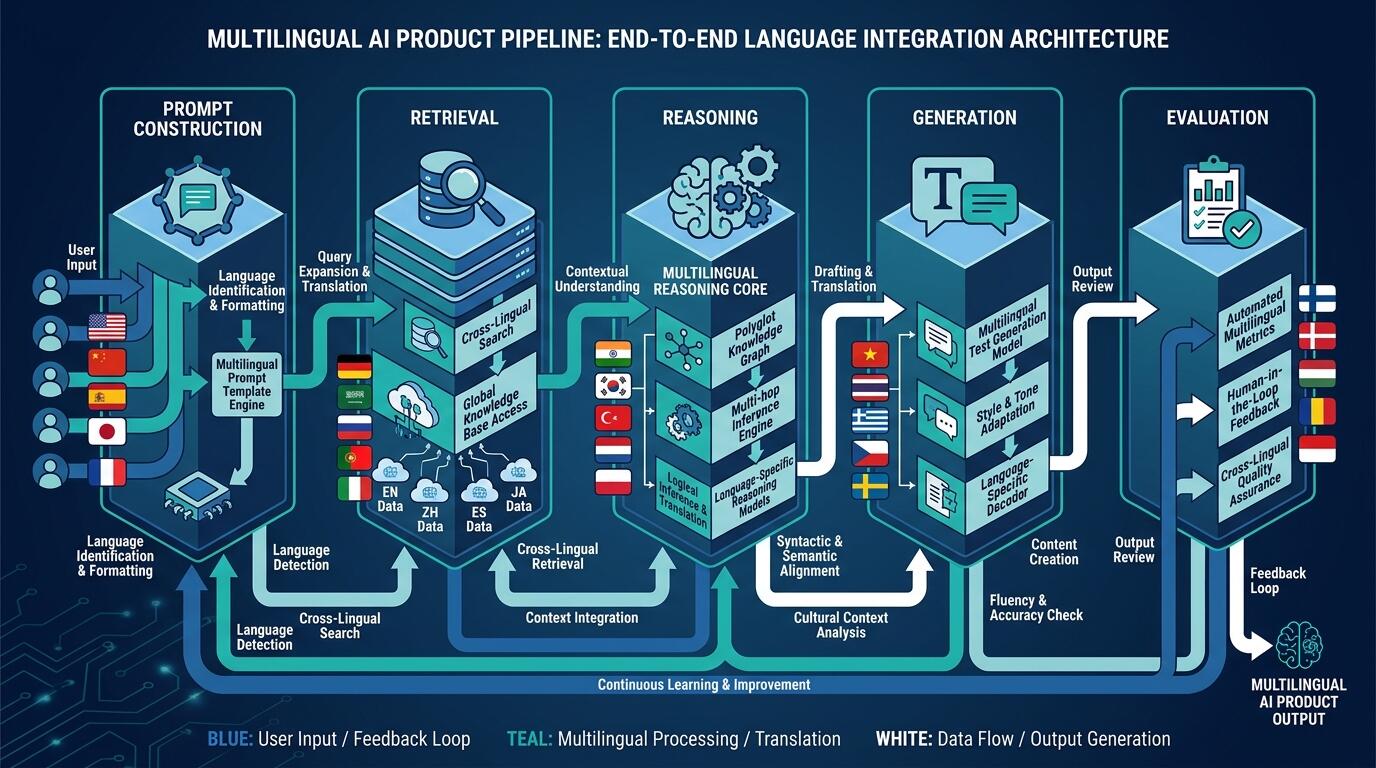
- 2026-10-13 Translation as an Engineering Problem, Not a Post-Processing Step This article argues that AI product teams should treat multilingual translation as a core engineering concern — integrated at the pipeline architecture level — rather than a post-processing output transform. Targeting engineering leads and technical PMs, it compares two architectural postures across reliability, evaluation coverage, latency, cost, and maintainability, concluding that engineering-first translation yields systemic reliability despite higher upfront investment. Read →
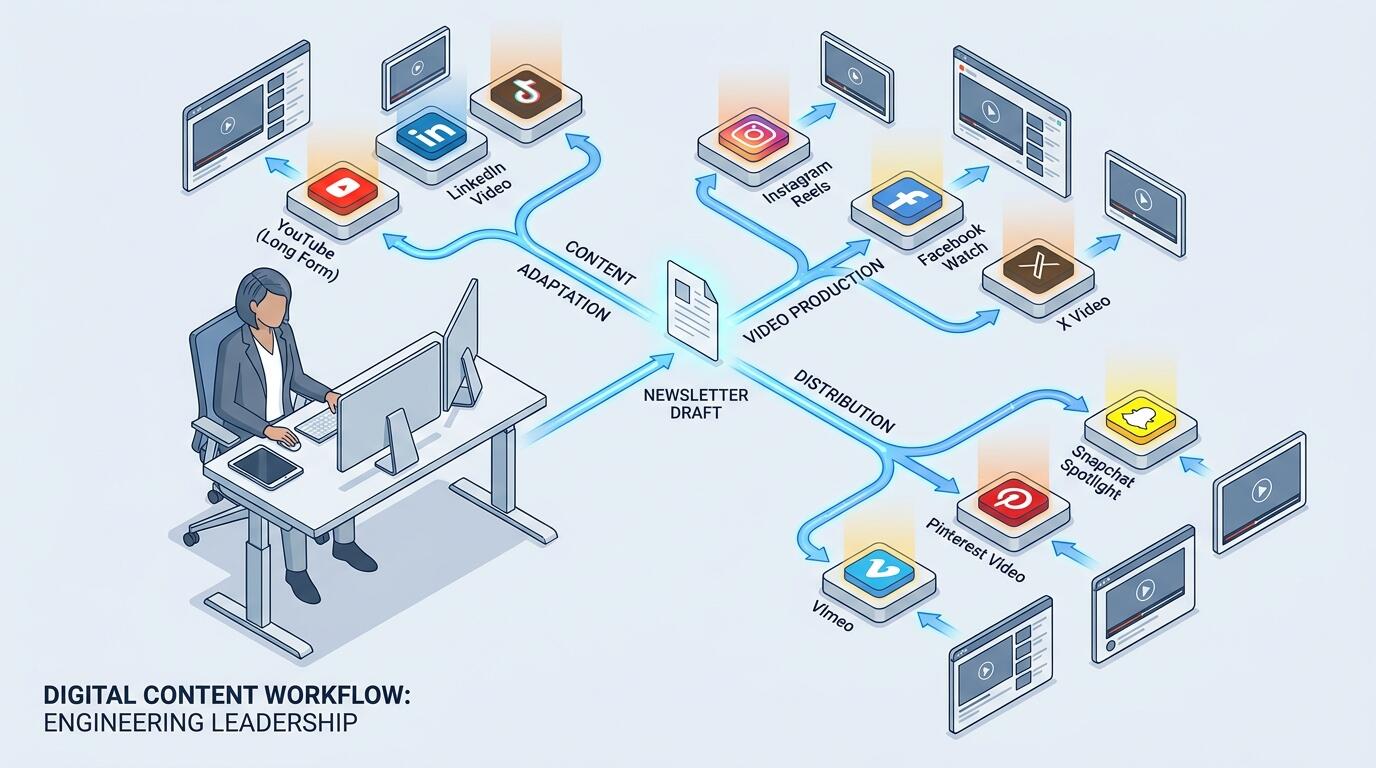
- 2026-10-13 Turning One Written Issue Into Video Across Nine Platforms This article argues that converting a single written newsletter into video across 9 platforms is an engineering pipeline problem, not a creative task. Targeting technical newsletter operators and engineering-led teams, it covers three pipeline failure modes, a tool-approach comparison table, and actionable takeaways on script condensation, master cuts, and programmatic metadata generation. Read →
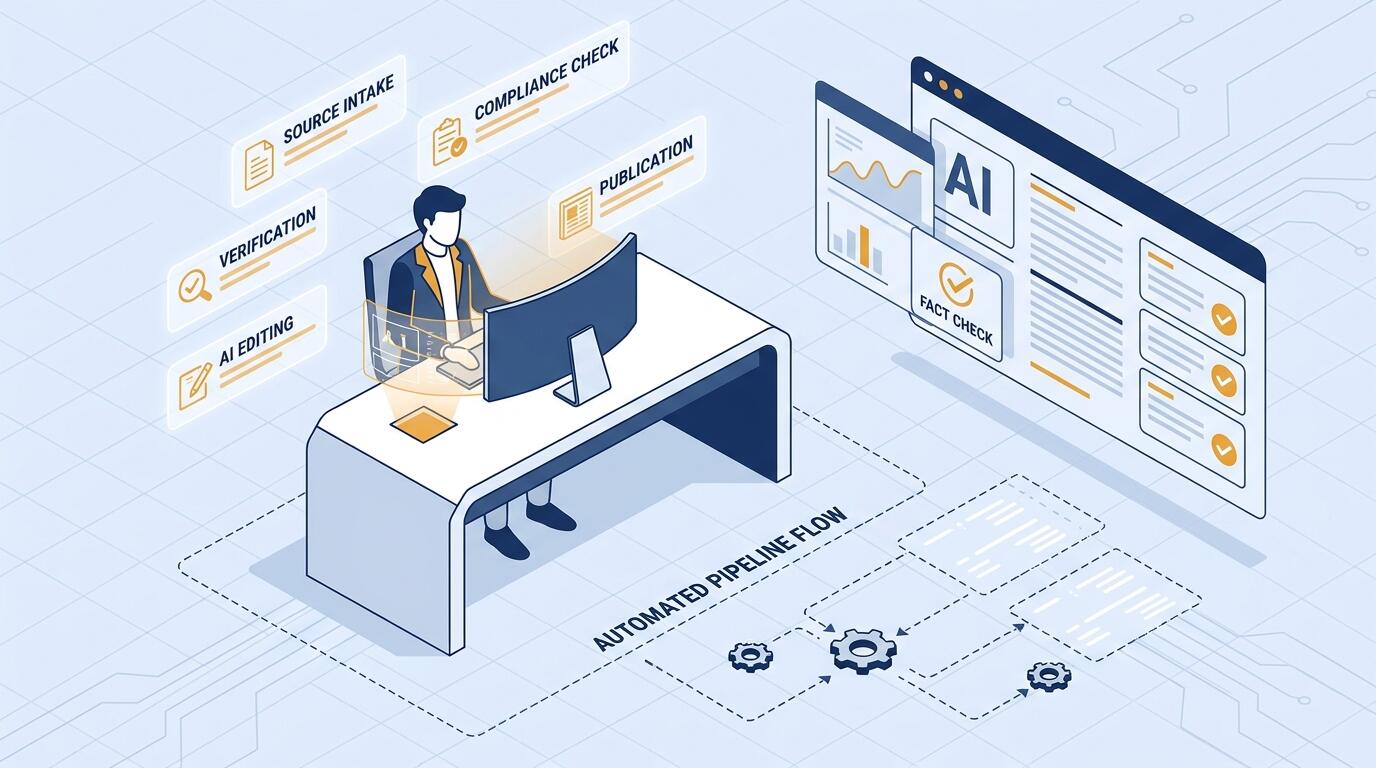
- 2026-10-12 Quality Control Checklist for an AI Newsroom With No Newsroom This practitioner-focused guide presents a 9-gate quality control checklist for solo engineers running AI-driven publishing pipelines without editorial staff. Targeting AI builders and solo newsletter operators, it covers source verification, hallucination detection, compliance flagging, and voice consistency. Key takeaway: systematic process beats sophisticated tooling — run checks consistently on every issue to prevent compounding failures. Read →
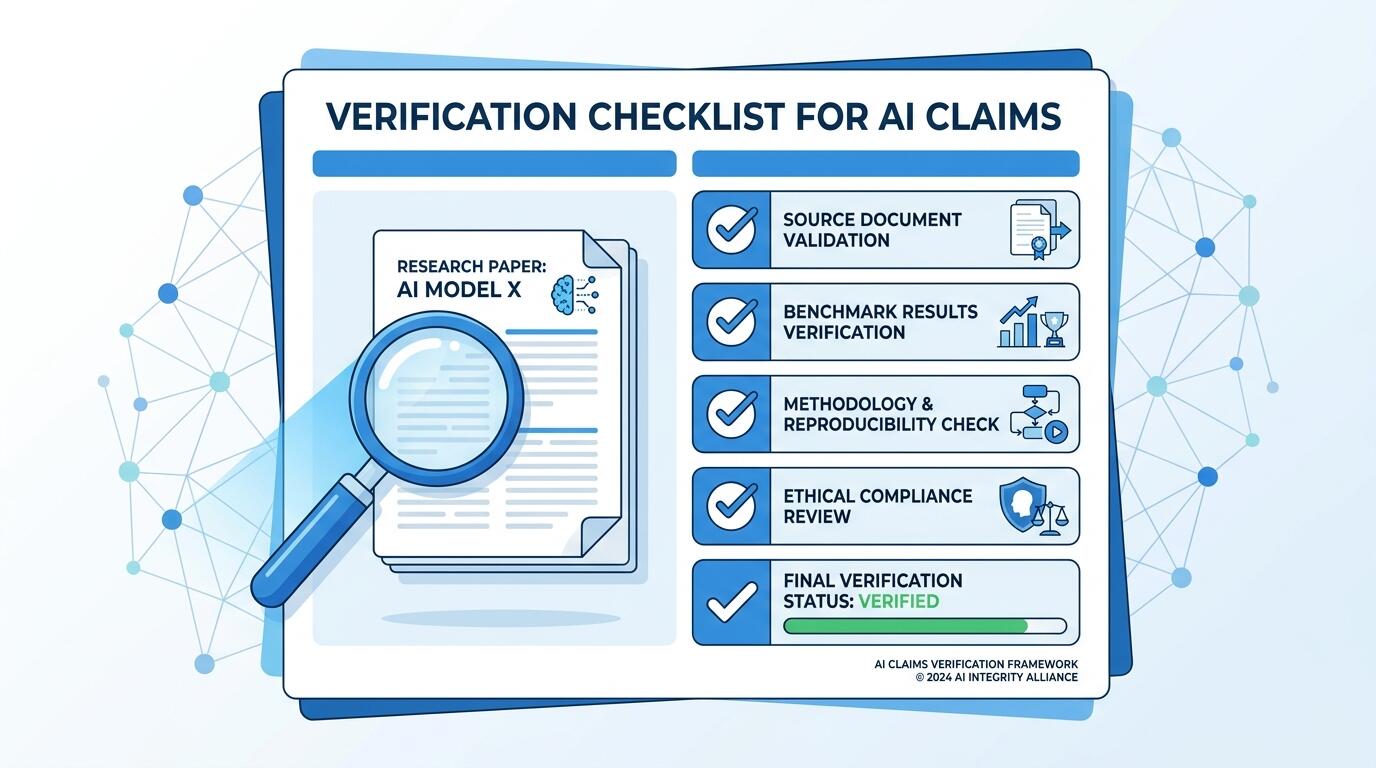
- 2026-10-12 Verifying Claims Against Primary Sources: A Practical Checklist A practical 8-step checklist for engineers and product leads to verify AI capability claims against primary sources before acting or publishing. Covers methodology checks, authorship, version dating, and conflict-of-interest assessment. Key takeaway: scale verification depth to decision stakes. Targets AI builders who consume and republish AI research. Read →
- 2026-10-11 Where an AI Drafting Pipeline Fails, and the Checks That Catch It This article maps structural failure modes in AI drafting pipelines — prompt fragility, context truncation, hallucination, schema drift, semantic drift — to purpose-built detection checks. Targeting technical builders and AI engineering teams, it provides a prioritized, actionable framework for instrumenting production pipelines and avoiding silent quality degradation. Read →
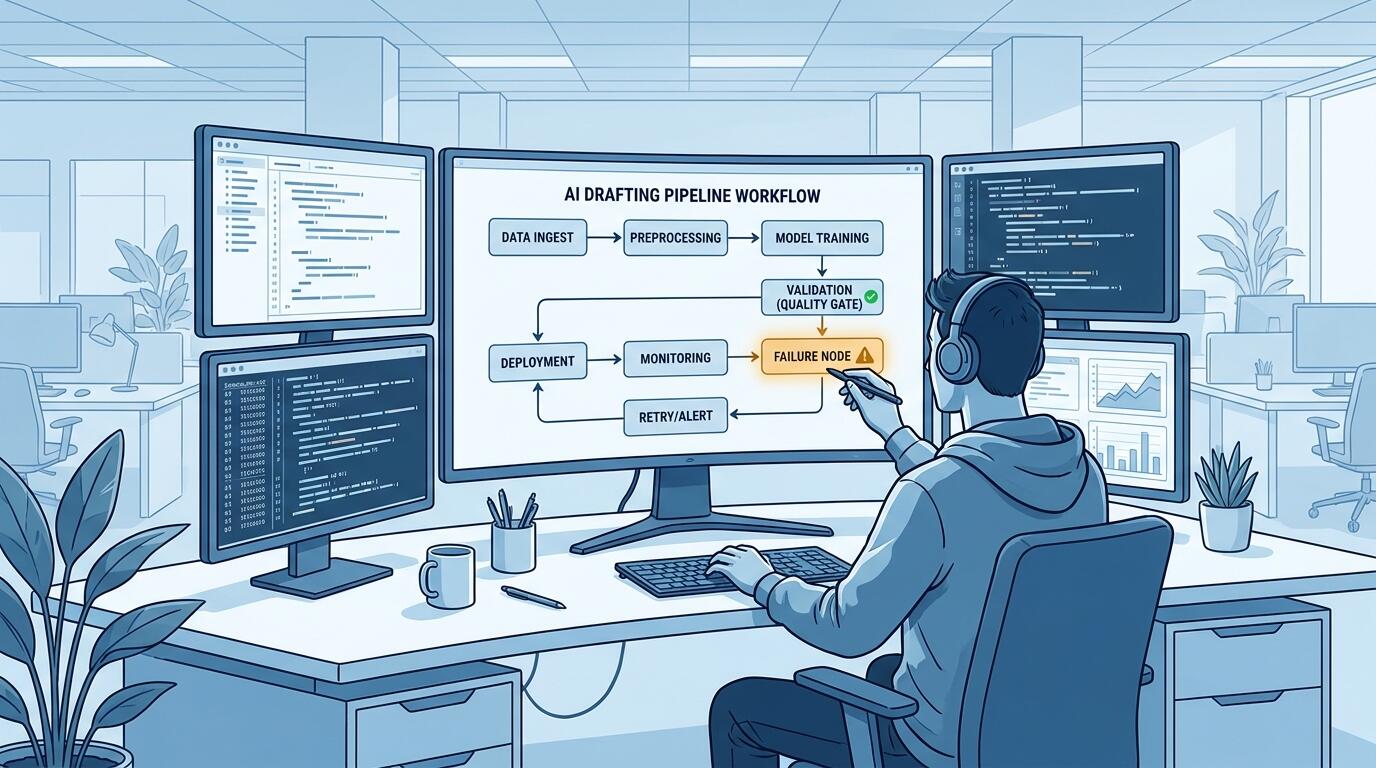
- 2026-10-11 Keeping Human Editorial Judgment in an Automated Publication This article argues that human editorial judgment is an irreplaceable architectural component in automated AI publication pipelines, not a workaround. Targeting AI builders and newsletter operators, it proposes a 3-step oversight framework and compares review architectures. Key takeaway: selective checkpoint review, driven by well-calibrated flagging logic, balances scalability with editorial accountability. Read →

- 2026-10-09 How Much Does It Cost to Run a Daily AI Briefing on Agents? This article breaks down the real infrastructure and API costs of running a daily AI briefing focused on agent topics, targeting indie developers, technical leads, and AI startup founders. It covers data ingestion, model inference, orchestration, and editorial overhead across three pipeline architectures, using the Darius bilingual briefing as a live production case study. Key takeaway: cost is controllable with early architectural choices, but token surface and human editorial time are routinely underestimated. Read →
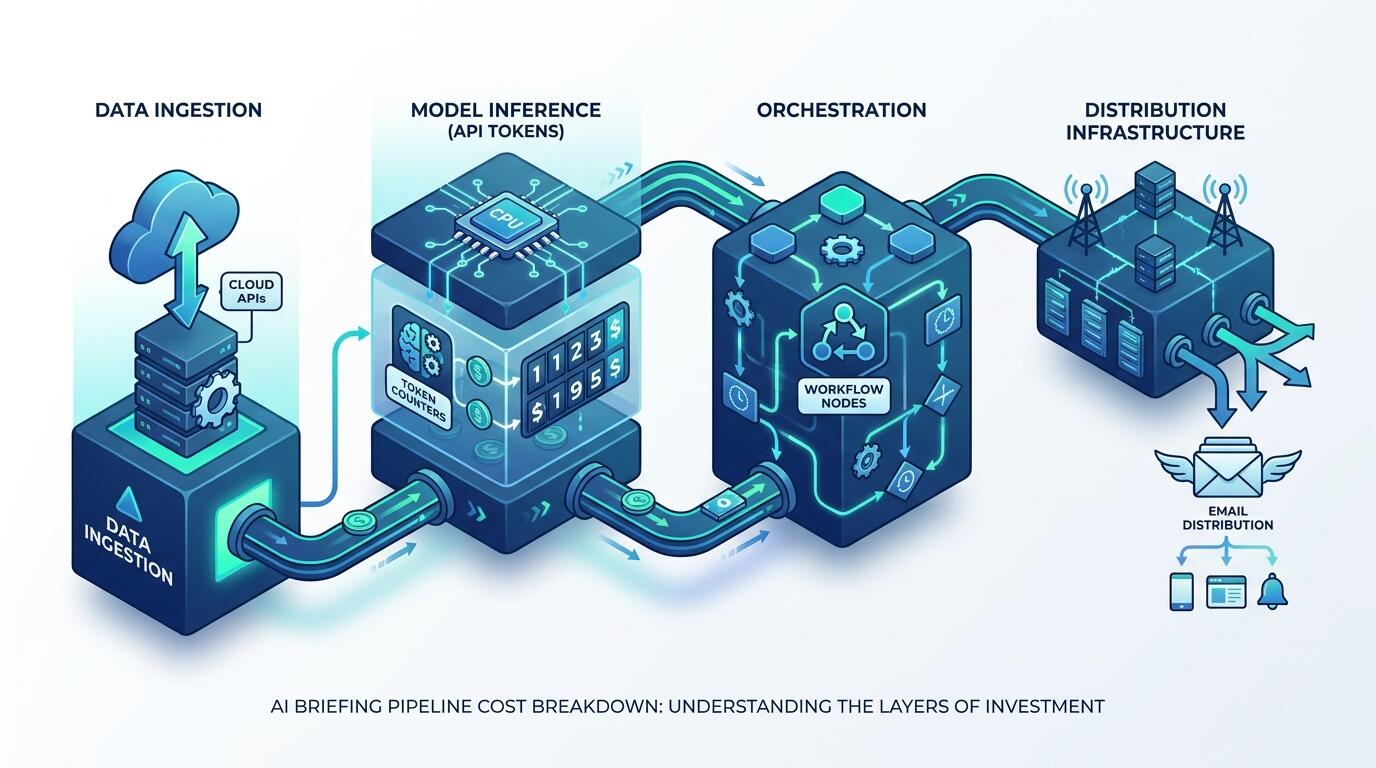
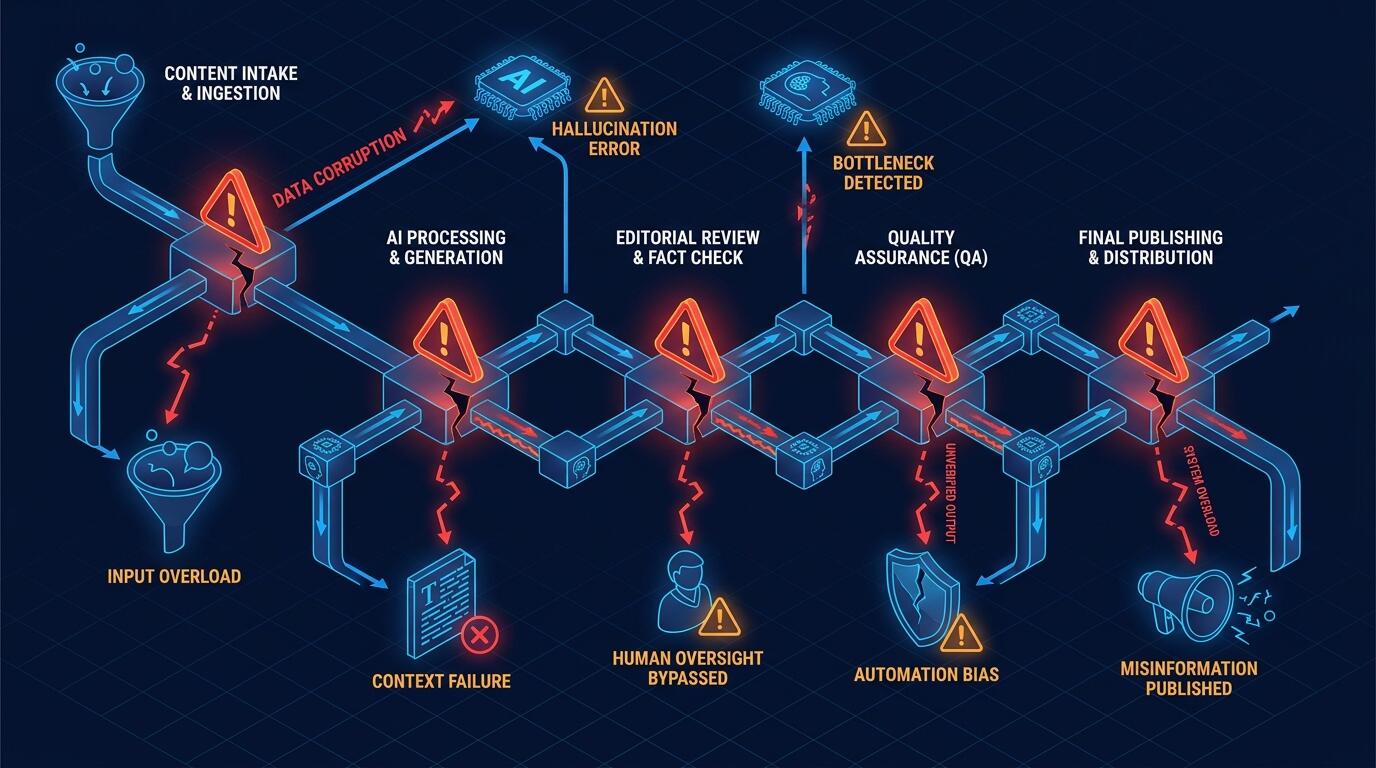
- 2026-10-09 Five Mistakes Teams Make When Automating Editorial Work This article identifies five critical mistakes teams make when scaling AI editorial automation pipelines: weak editorial specs, missing human-in-the-loop design, neglected retrieval quality, happy-path-only logic, and treating launch as completion. Targeting AI/ML engineers and content product builders, it delivers actionable diagnostics backed by real production system experience. Read →
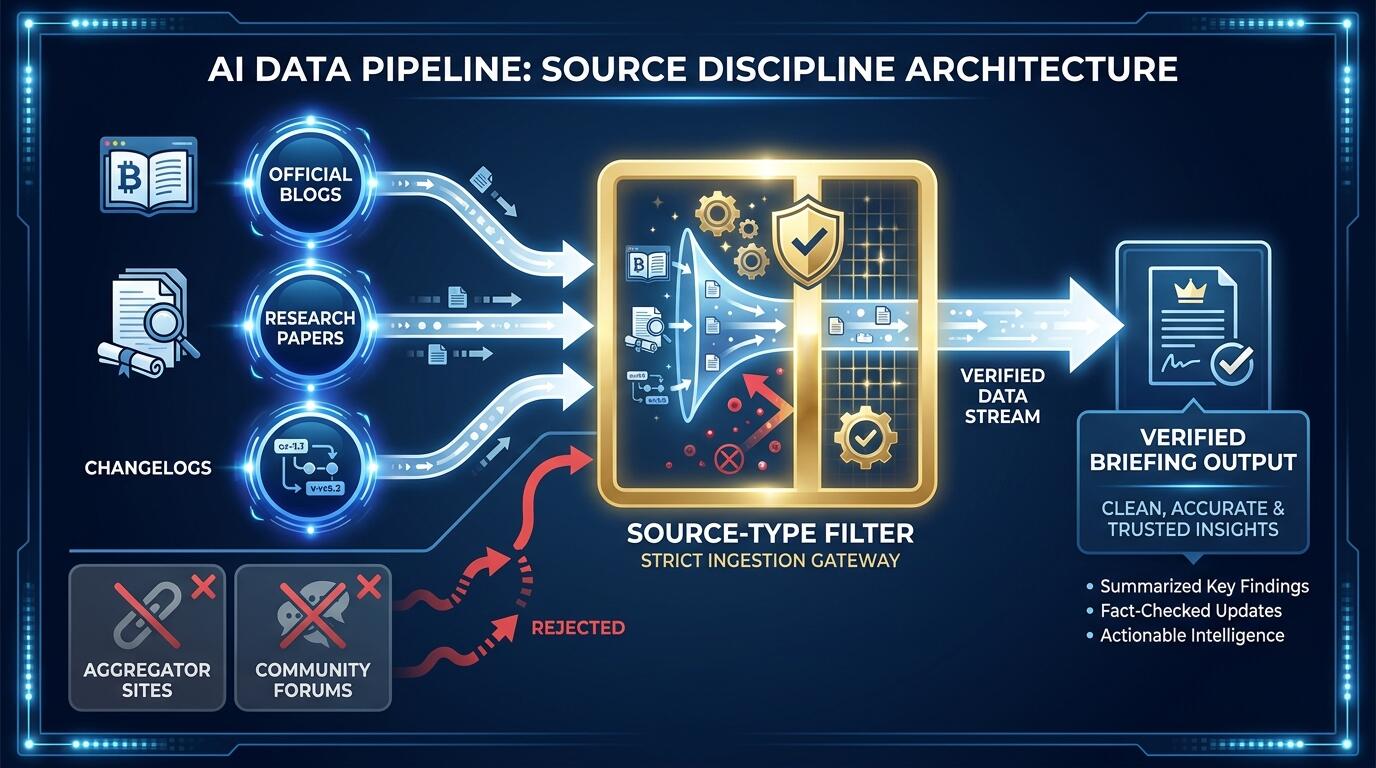
- 2026-10-09 Source Discipline: Why the Pipeline Only Accepts Primary Announcements This article argues that "source discipline"—ingesting only primary, first-party sources—is an architectural requirement, not an editorial preference, for accurate AI briefing pipelines. Targeting AI engineers and product builders, it explains four degradation mechanisms (semantic drift, temporal displacement, attribution collapse, error amplification) and compares pipeline strategies. Key takeaway: primary-only ingestion is the only approach consistent with precision-first AI intelligence products. Read →
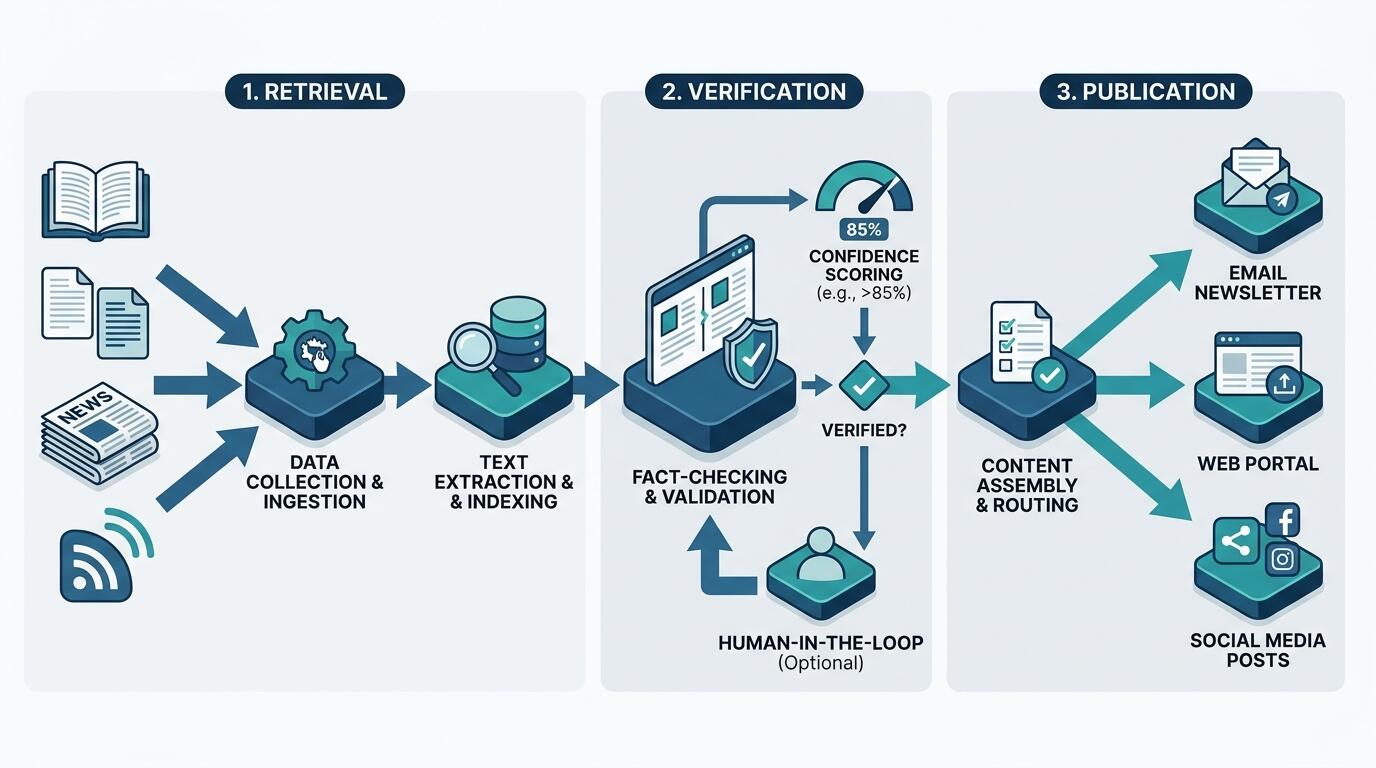
- 2026-10-07 The Agent Pipeline Behind a Daily AI Briefing: Retrieval, Verification, Publication — The Full Report This article explains how a daily AI briefing newsletter (Darius) is built using a multi-stage agent pipeline covering retrieval, verification, and publication. Targeting AI practitioners and engineering teams, it offers actionable architecture insights, tradeoff comparisons, and bilingual publishing guidance, concluding that primary-source grounding and human oversight are essential for trustworthy automated briefings. Read →
- 2026-10-07 Writing Editorial Rules an Agent Can Actually Follow This guide teaches engineers how to write structured, agent-executable editorial rules for AI-driven content workflows. It covers decision surface mapping, behavioral specification language, conflict hierarchies, escalation conditions, and versioning. Key takeaway: treat rules as code — precise, tested, and minimal — not vague style preferences. Read →

- 2026-09-30 How Founders Should Vet Engineering Consulting Firms This Fall A practical vetting framework for founders and technical PMs evaluating engineering consulting firms for AI architecture work. Core argument: evaluate on shipped production systems, not proposal quality. Key takeaways: match engagement model to problem type, front-load architecture investment, and use structured technical reference interviews. Read →

- 2026-09-30 Meeting Regulatory Requirements in Product Design Without Slowing Delivery This article guides engineering teams on integrating regulatory compliance (HIPAA, GDPR, EU AI Act) into product design without slowing delivery. It presents 7 actionable strategies — from compliance-as-design-constraint and CI/CD automation to modular architecture and team literacy — showing that speed and compliance are compatible when compliance work is front-loaded and systematized. Read →

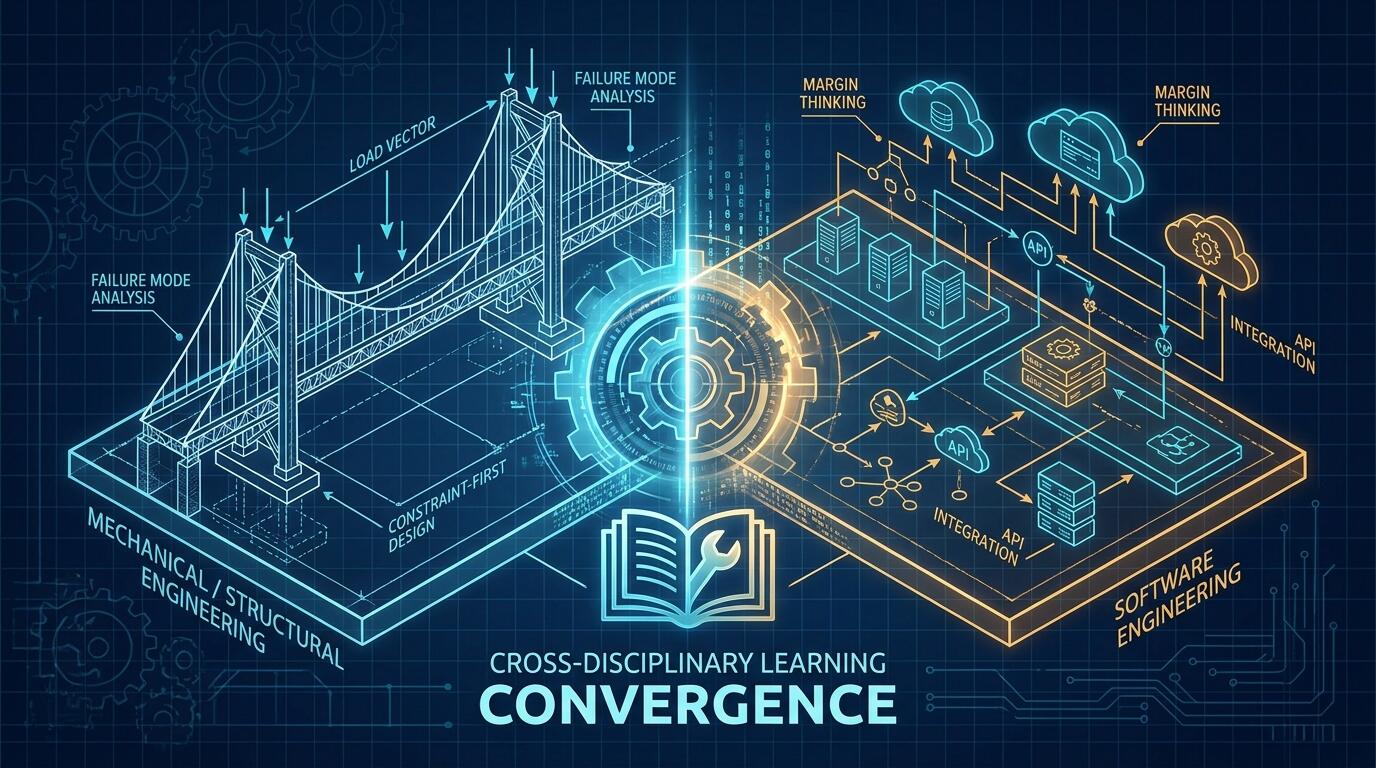
- 2026-09-30 What Mechanical and Structural Consulting Teams Can Still Teach Software Engineers This article argues software engineering can adopt key disciplines from structural/mechanical consulting — failure mode analysis, constraint-first design, margin thinking, and documentation rigor — to build more reliable systems. Targeting software architects, engineering leads, and product managers, it uses a 6-criterion comparison table and practical adoption guidance. Key takeaway: structural engineering instincts, applied selectively, prevent costly production failures. Read →
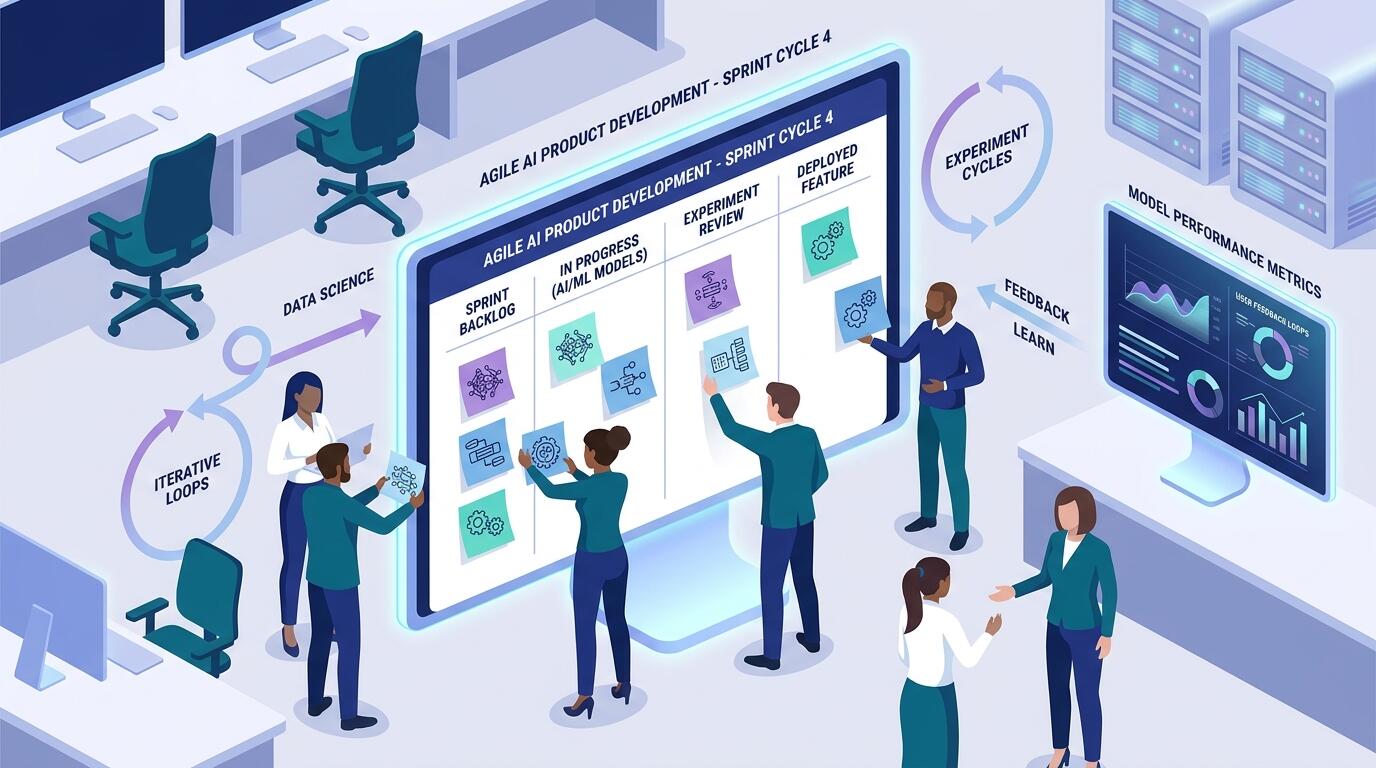
- 2026-09-29 Agile Product Development Methodologies for AI Feature Teams This Quarter This article addresses why standard Agile frameworks fail for AI feature teams and offers adapted methodologies (dual-track, Kanban-flow, experiment-as-sprint). Targeting engineering leaders and CTOs, it delivers actionable fixes: redefine "done," log experiments, invest in eval infrastructure, and treat data readiness as a sprint blocker. Read →
No posts yet