Blog
Notes from turning ideas into live, running products — AI products, cloud storage, SEO and full-stack practice. The brief is short and frequent; this is long and occasional.
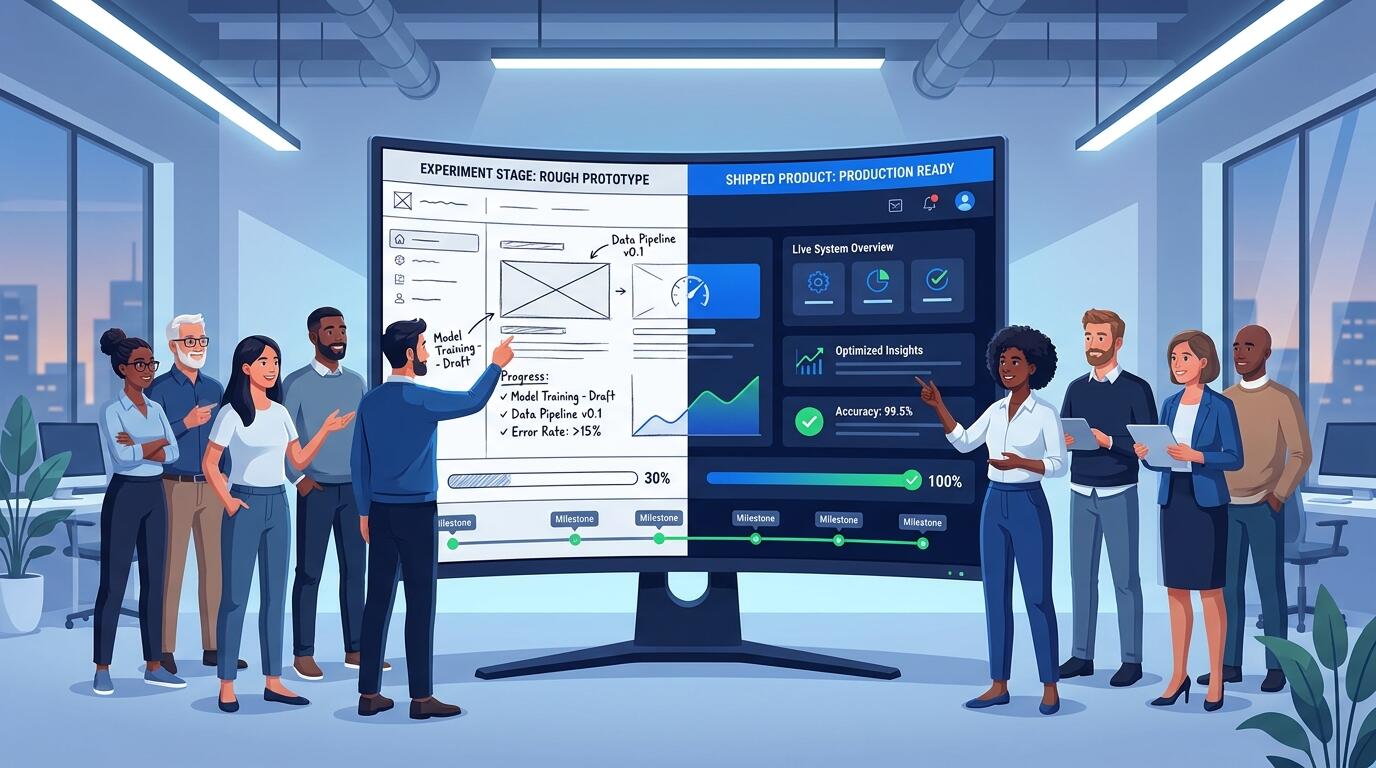
- 2026-09-29 Turning an AI Experiment Into a Shippable Feature This Quarter This article guides engineering teams through the transition from AI prototypes to shippable production features within a single quarter. It contrasts "prototype thinking" vs. "production thinking," outlines five productization readiness criteria, and provides scenario-based recommendations. Key takeaway: scope lock, observability, and mode-switching timing determine whether an AI feature ships or stalls. Read →
- 2026-09-29 Best Full-Stack Projects for Leveling Up Your Skills This Fall 默认文章描述 Read →

- 2026-09-29 What the Best Product Development Services Deliver for Startups Today This article evaluates 8 core capabilities of high-quality product development services for early-stage startups, covering AI architecture, systems design, full-stack execution, and engineering leadership. Targeting founders and CTOs, it delivers actionable guidance on evaluating technical partners, avoiding structural debt, and prioritizing capabilities by product stage. Key takeaway: the best partnerships offer judgment and architecture, not just headcount. Read →

- 2026-09-29 Choosing a Hosting Stack for Personal Projects That Need to Stay Live This guide helps solo engineers and founders choose the right hosting stack for personal projects that must stay reliably live. Core argument: match infrastructure to actual uptime needs and operational tolerance — not trends or cost alone. Key takeaways: define uptime requirements first, prefer managed platforms for low-ops reliability, and treat monitoring as non-negotiable. Read →

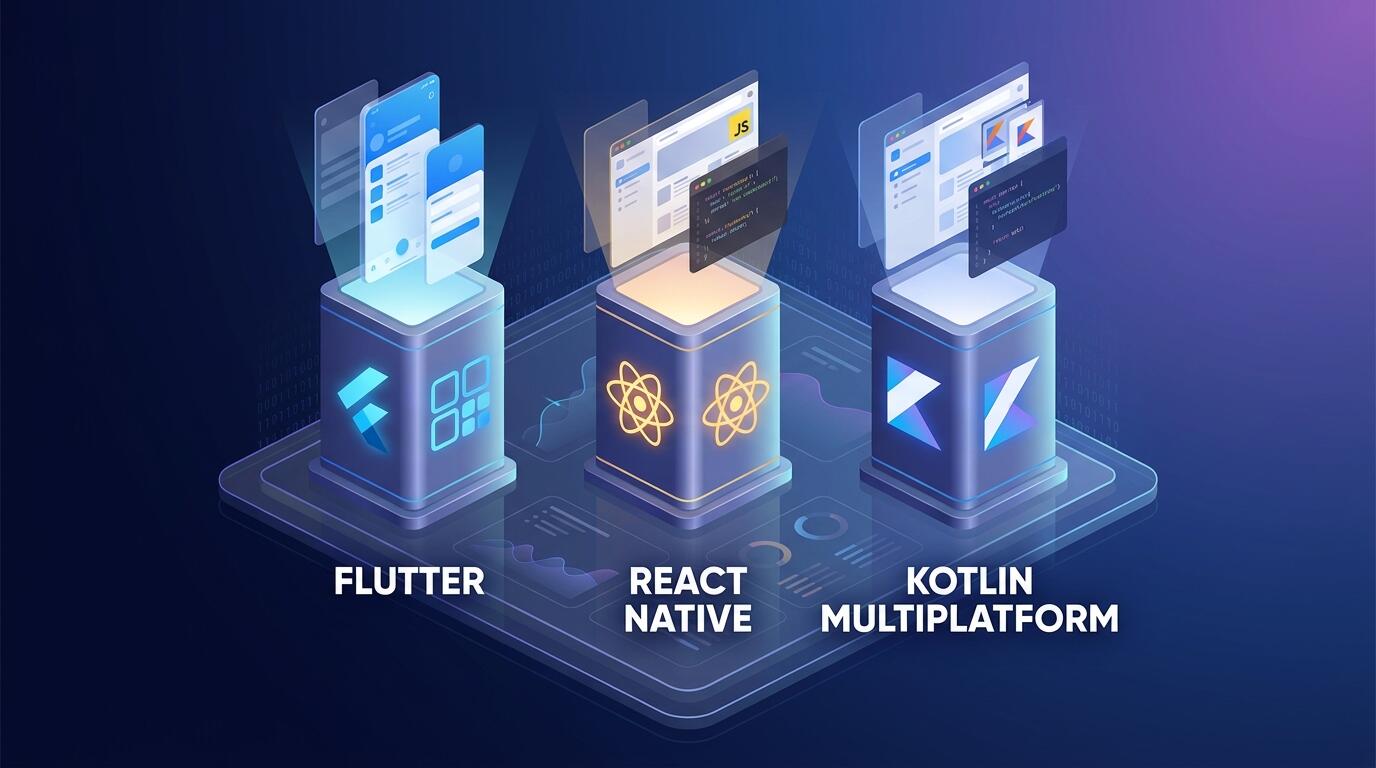
- 2026-09-29 Mobile App Frameworks Worth Considering for Cross-Platform Teams This Fall This article compares Flutter, React Native, and Kotlin Multiplatform for engineering teams choosing a cross-platform mobile framework. It delivers scenario-based recommendations backed by technical criteria (performance, UI model, ecosystem, AI integration). Key takeaway: framework choice should match team skills and product needs, not popularity. Targets senior developers and engineering leads. Read →
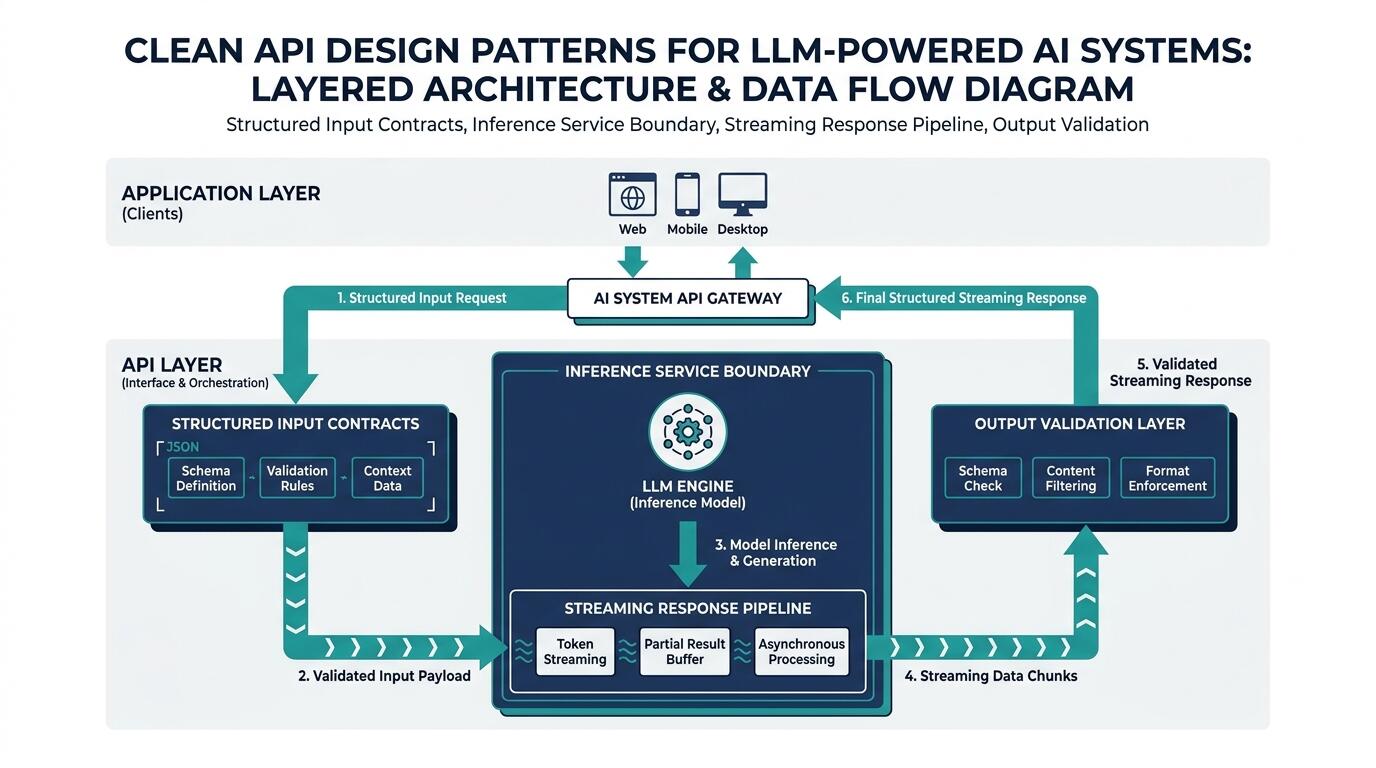
- 2026-09-29 Designing APIs That Work Cleanly With LLM-Powered Features A practitioner-level guide for startup CTOs and senior engineers on designing production-ready APIs for LLM-powered features. Covers 7 concrete steps: structured input contracts, streaming-first design, inference service isolation, typed error taxonomies, stateful session management, output validation, and semantic versioning. Key takeaway: enforce strict input/output contracts, isolate inference logic, and design for LLM-specific failure modes from day one. Read →
- 2026-09-29 Evaluating AI Development Tools Before You Sign a Contract This Fall This article guides CTOs and founders on rigorously evaluating AI development tools before signing vendor contracts in Q4. It covers key failure modes (capability theater, integration underestimation, pricing misalignment, lock-in), presents four evaluation lenses via a comparison table, and offers a structured FAQ. Key takeaway: slow down evaluation to surface real risks before committing. Read →

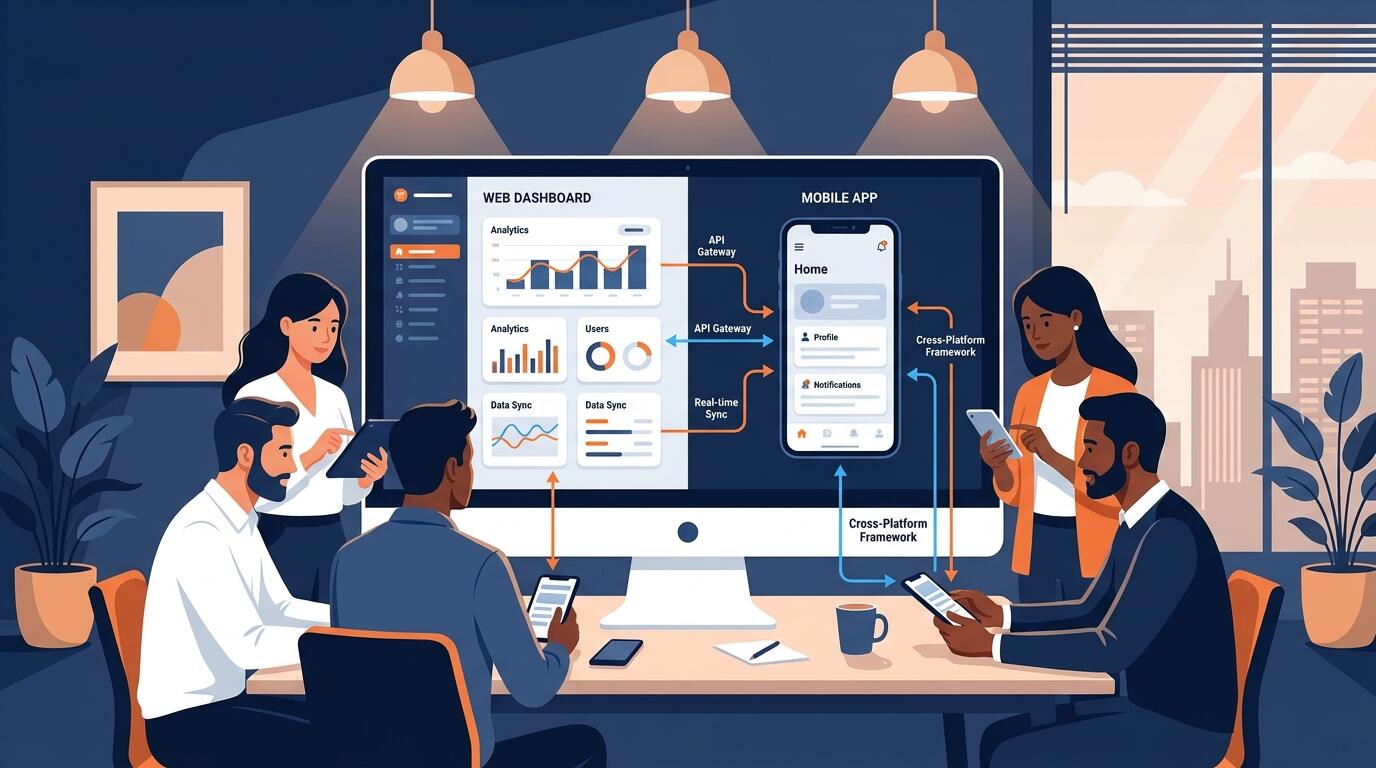
- 2026-09-29 Extending a Web Product to Mobile: Full-Stack Considerations for Q4 2026 This article argues that extending a web product to mobile is a full-stack architectural challenge, not just a front-end task. Targeting engineering leads and CTOs planning Q4 2026 launches, it covers API versioning, auth redesign, offline-first design, payload optimization, and mobile CI/CD — concluding that backend groundwork must precede client development for a stable, scalable mobile expansion. Read →
- 2026-09-29 Hidden Costs of AI API Dependence: What Founders Should Watch This Quarter This guide helps startup founders and CTOs audit hidden AI API costs — covering token spend, vendor lock-in, compliance gaps, and resilience risks. It delivers a 7-step actionable framework with governance models, build-vs-buy analysis, and architectural best practices. Key takeaway: build cost visibility and abstraction layers before optimizing spend. Read →

- 2026-09-29 Questions Every Founder Should Ask an AI Vendor Before Committing Budget This guide helps founders, CTOs, and product leaders rigorously evaluate AI vendors before signing contracts. It covers data ownership, model transparency, cost scaling, integration fit, and vendor stability using a structured question framework. Key takeaway: define your own evaluation criteria first, validate with a PoC and real-data pilot, and treat vendor reluctance to answer as a red flag. Read →

- 2026-09-21 Containerization and Orchestration Tips for Small Engineering Teams This Fall A comprehensive, expert-level guide on containerization and orchestration for small engineering teams, covering 9 actionable tips from base image hygiene to HPA tuning and supply chain security. Targets lean dev teams adopting Kubernetes. Key takeaway: orchestration discipline is proportionally more critical at smaller scale, and foundational practices must precede advanced tooling. Read →

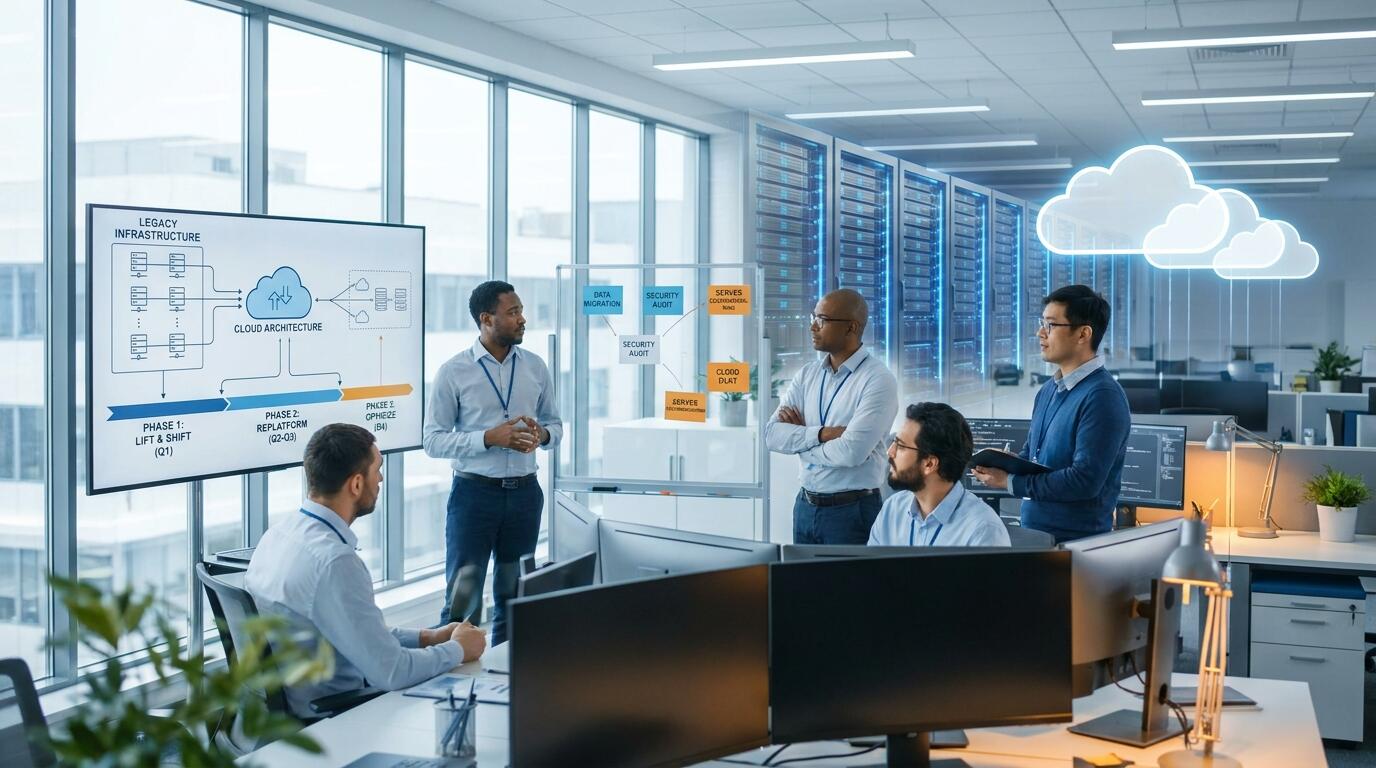
- 2026-09-21 A Practical Roadmap for Migrating Legacy Systems to the Cloud This Year This article delivers a comprehensive engineering guide on cloud migration for legacy enterprise systems, targeting technical founders and engineering leaders. It covers root causes of migration complexity, strategy trade-offs (rehost/replatform/re-architect), and a phased roadmap emphasizing dependency mapping, rollback planning, and AI-readiness as core migration principles. Read →
- 2026-09-20 Microservices Best Practices for Production Systems This Quarter A practitioner's guide to 9 production-critical microservices best practices — covering API gateways, observability, circuit breakers, data isolation, and CI/CD — targeting software architects and engineering teams scaling distributed systems. Core argument: decomposition alone fails without operational discipline; the practices compound and must be applied together. Read →
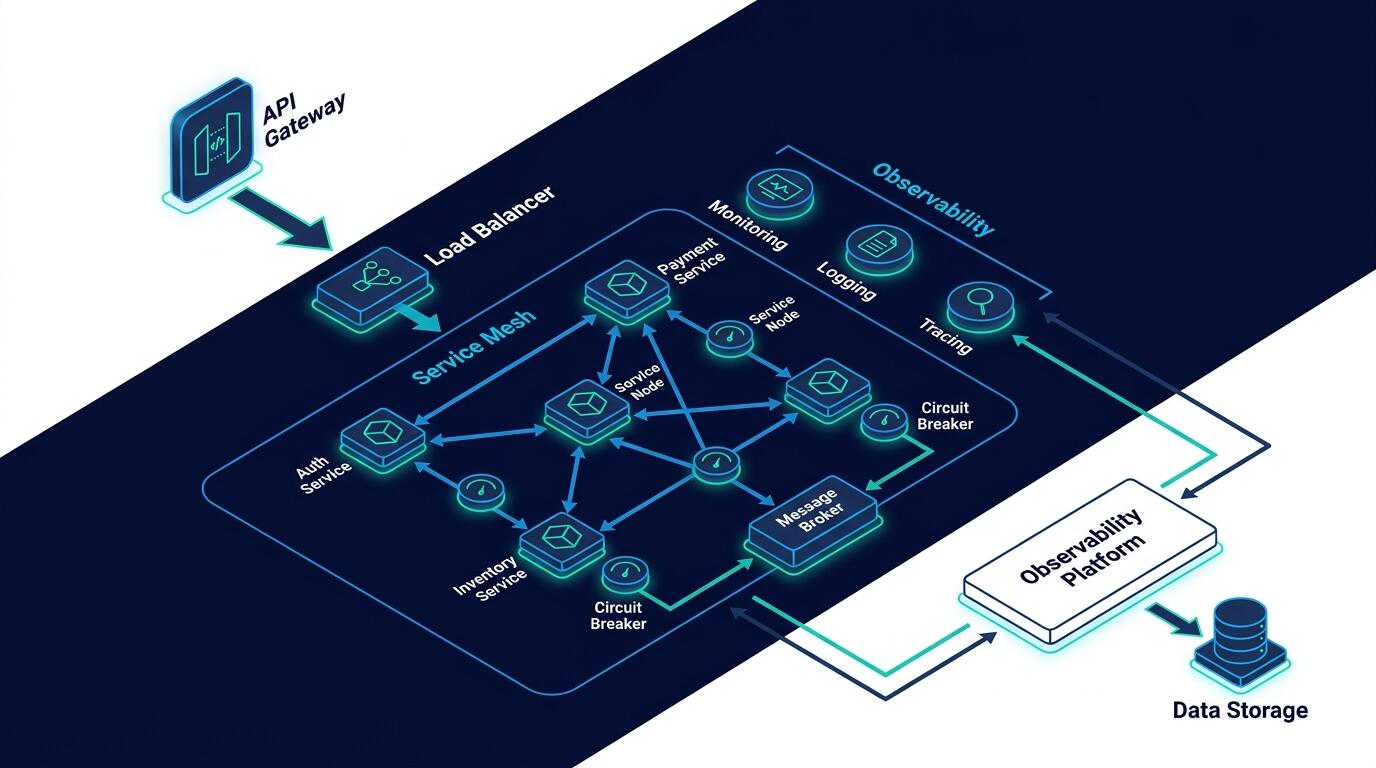
- 2026-09-20 Observability on a Budget: What Small Teams Should Track First This Quarter This article argues that small engineering teams should adopt minimal, deliberate observability — prioritizing error rates, latency (p95/p99), dependency health, and AI inference logging — rather than imitating costly enterprise stacks. It targets early-stage product teams seeking budget-conscious, high-signal monitoring strategies using OpenTelemetry and lightweight tooling. Read →

- 2026-09-20 A Monitoring Checklist for Keeping Your Product Healthy This Fall A comprehensive fall product monitoring checklist for engineering leads and technical product teams, covering 8 critical areas: observability, SLOs, dependencies, AI pipeline drift, alerting hygiene, capacity, data integrity, and security. Key takeaway: proactive seasonal health reviews prevent compounding incidents and build long-term reliability. Read →

No posts yet