Blog
Notes from turning ideas into live, running products — AI products, cloud storage, SEO and full-stack practice. The brief is short and frequent; this is long and occasional.
- 2026-08-24 Observability on a Budget: Tools for Small Teams Running Production Systems This article helps small engineering teams choose among managed SaaS (Grafana Cloud/New Relic), self-hosted Prometheus+Grafana, and OpenTelemetry-native observability stacks on limited budgets. It provides scenario-based recommendations, a head-to-head comparison table, FAQ, and actionable cost-control strategies. Key takeaway: start with managed SaaS, use OTel for future flexibility. Read →

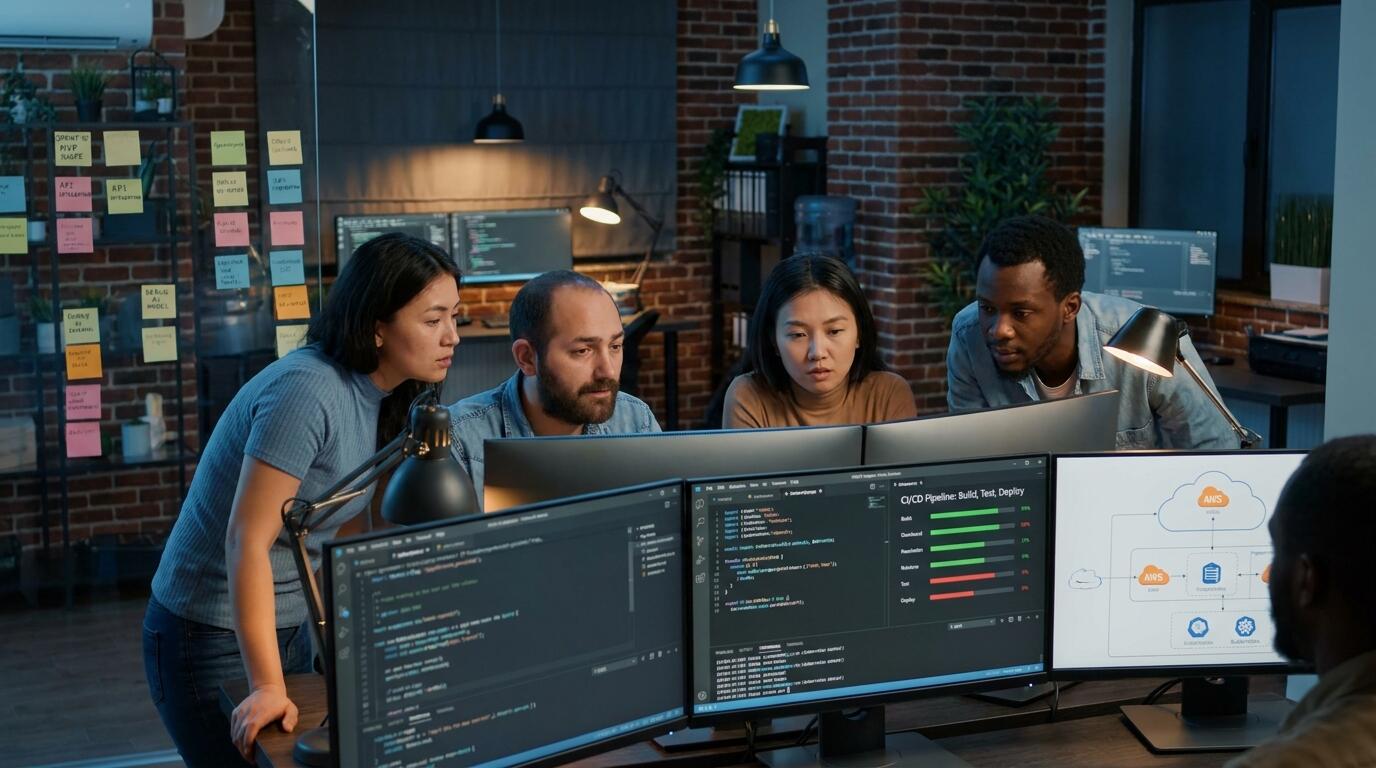
- 2026-08-23 Best Practices for Full-Stack Product Development Under Tight Deadlines This article delivers 8 battle-tested best practices for full-stack product development under tight deadlines, targeting founders, CTOs, and engineering leads. Core argument: speed and quality are not opposites — disciplined scope definition, modular architecture, vertical slices, critical-path testing, CI/CD, clear communication, dependency mapping, and observability eliminate the waste that causes deadline failures. Read →
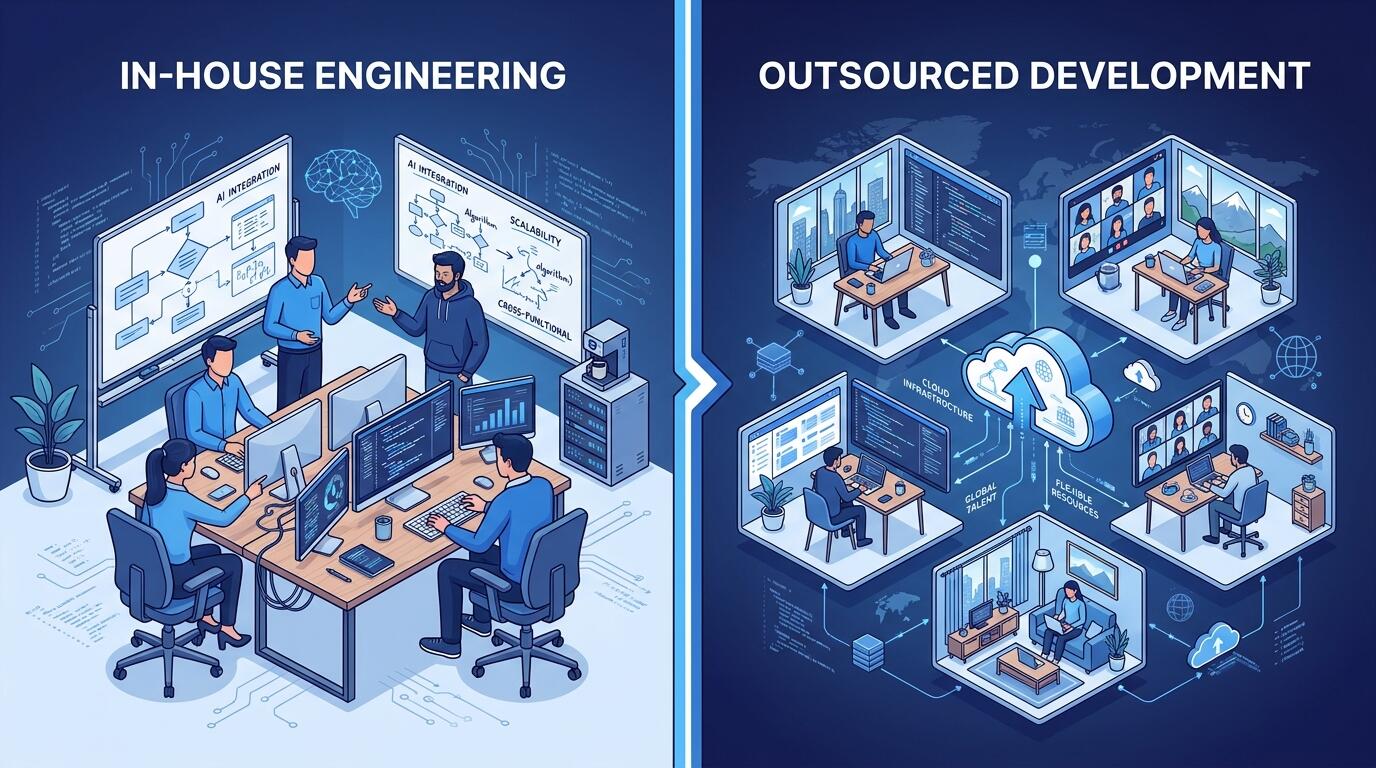
- 2026-08-23 Outsourced Development vs. In-House Teams: What Actually Ships Faster This article compares outsourced development, in-house engineering teams, and hybrid models across six shipping-speed criteria. Targeting technical founders and CTOs, it argues no single model is universally superior — the right choice depends on stage, technical leadership capacity, and product complexity. Key takeaway: alignment quality, not headcount model, drives shipping speed. Read →
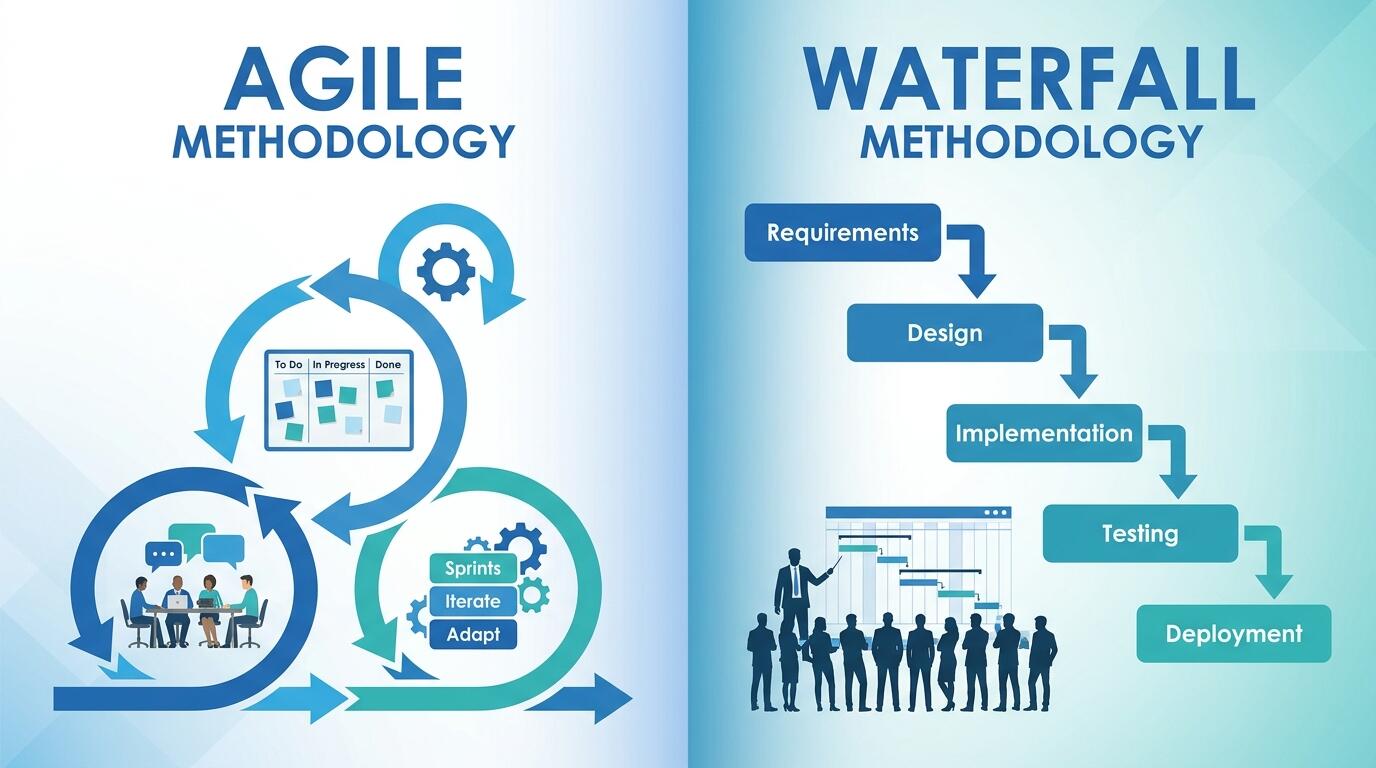
- 2026-08-22 Agile vs. Waterfall in 2026: Which Methodology Actually Fits Your Team This article compares Agile and Waterfall project management methodologies for engineering teams in 2026, arguing neither is universally superior. It guides technical leaders to choose based on requirements stability, compliance needs, and team context. Key takeaway: most mature teams benefit from a deliberate hybrid approach over dogmatic commitment to either model. Read →
- 2026-08-22 How to Validate a New Product Idea with Real Customers Before Building This guide teaches tech founders and CTOs a rigorous, step-by-step process for validating product ideas with real customers before committing engineering resources. It covers assumption mapping, discovery interviews, MVP artifact testing, and synthesis. Key takeaway: behavioral evidence beats verbal enthusiasm, and validated insights should directly shape engineering scope and architecture decisions. Read →

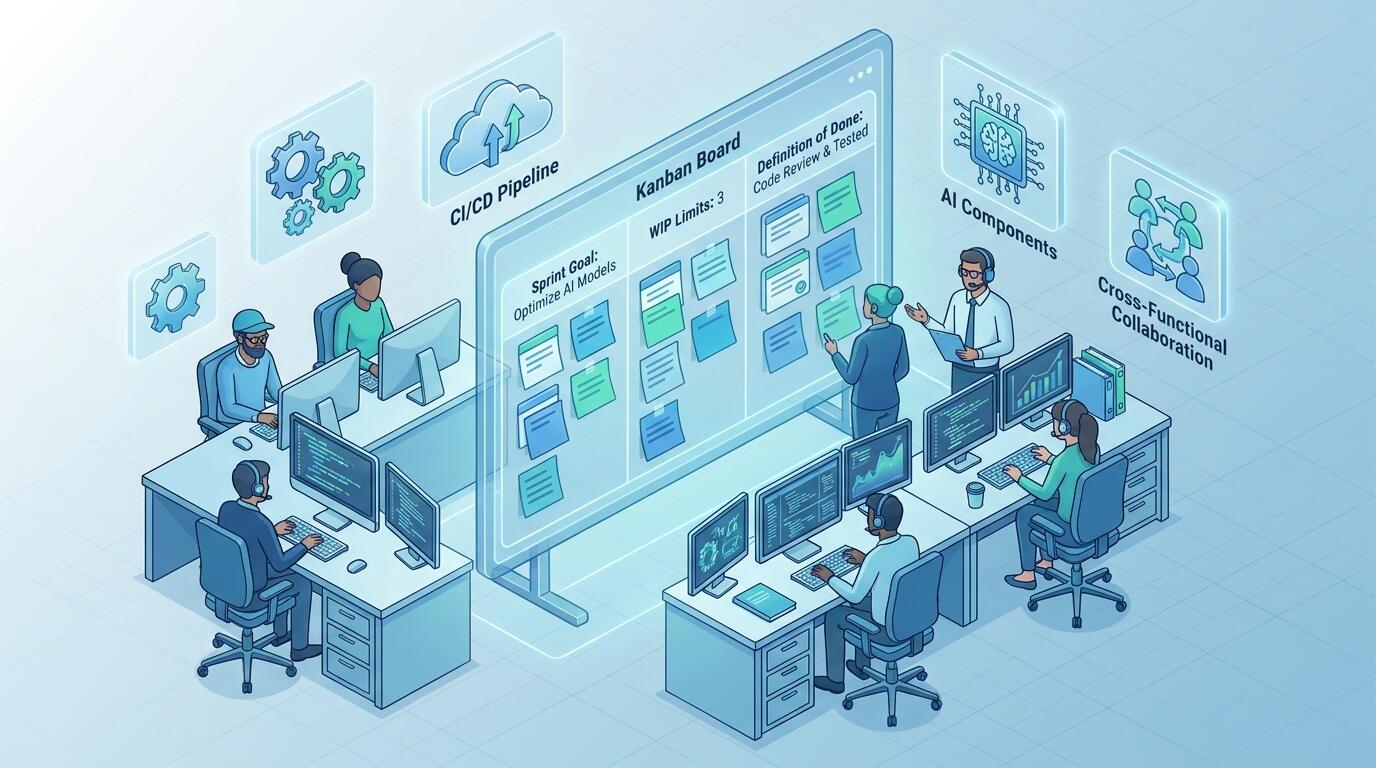
- 2026-08-21 Agile Implementation Best Practices for Engineering Teams This Year This article defines disciplined Agile implementation for modern engineering teams building AI and full-stack products. Targeting technical leaders and engineering managers, it covers 9 actionable practices—from Definition of Done to cross-functional teams—with a diagnostic framework, comparison table, and prioritization guidance. Key takeaway: CI and DoD are the non-negotiable foundation; structural changes like cross-functional teams yield the highest long-term leverage. Read →
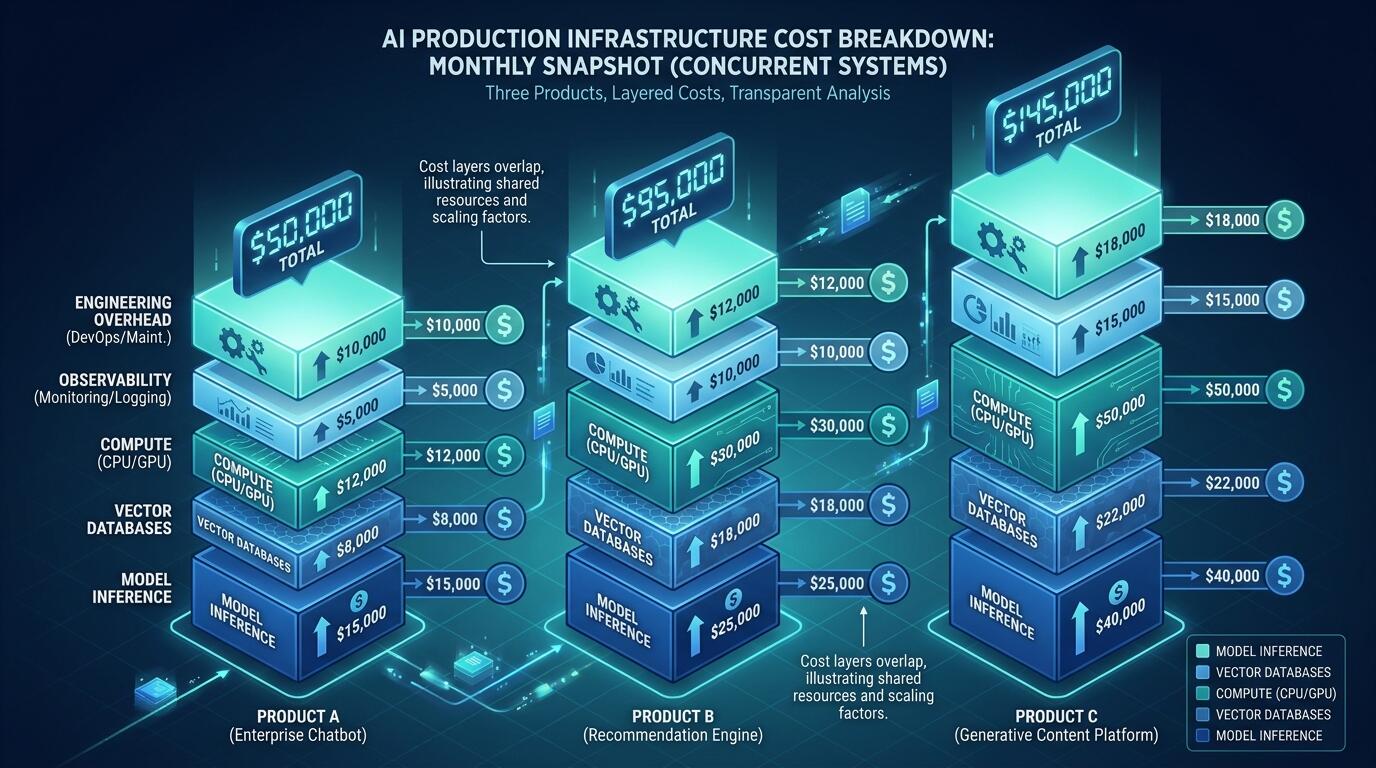
- 2026-08-21 What Does It Cost to Keep Three AI Products Online Every Month? This article analyzes the monthly operational costs of running three simultaneous AI products in production, targeting founders and engineering leaders. It breaks down cost drivers (token inference, vector DBs, observability, engineering overhead), compares infrastructure strategies via a trade-off table, and offers actionable cost-control recommendations including model tiering, prompt caching, and shared observability stacks. Read →
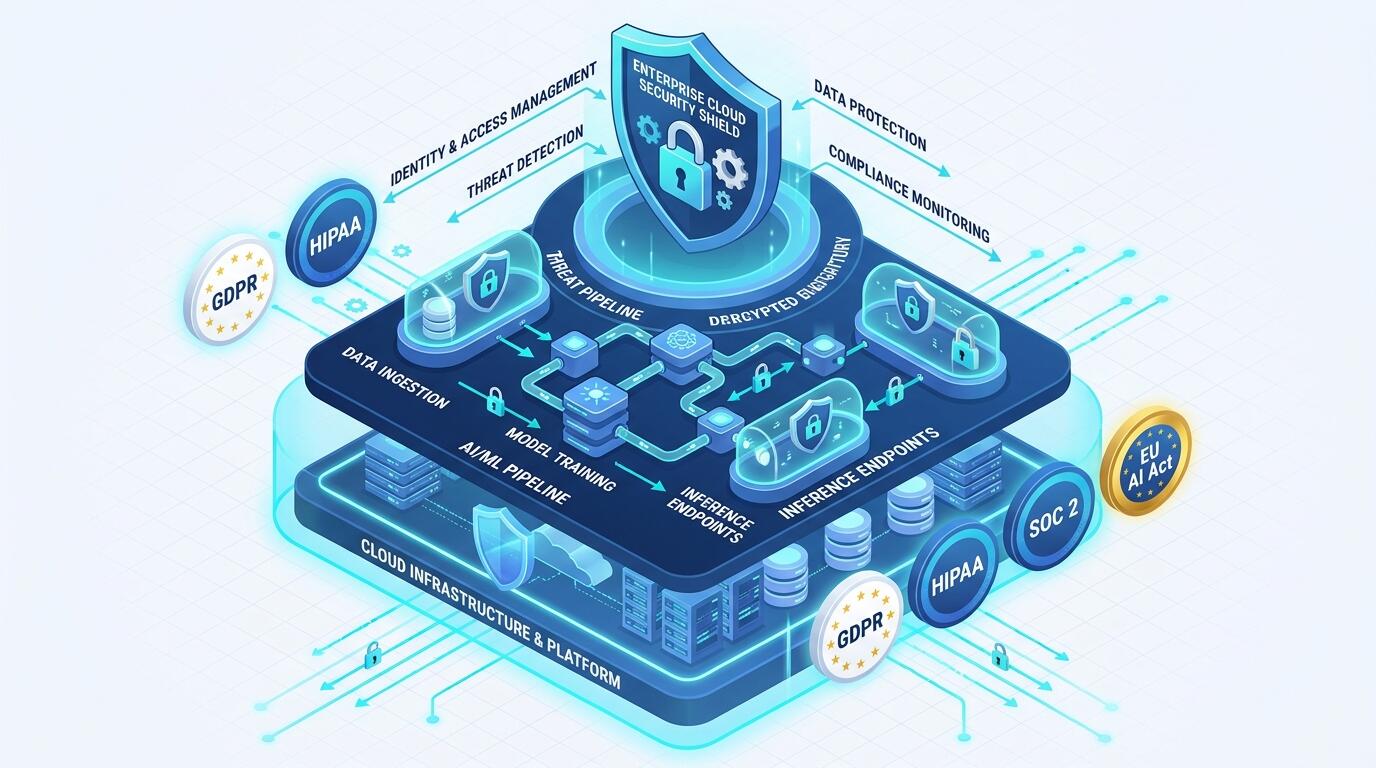
- 2026-08-20 Cloud Security and Compliance Requirements for AI Workloads This Year This comprehensive guide covers cloud security and compliance architecture for AI workloads, targeting CTOs, engineering directors, and technical founders. It delivers a 7-step framework spanning threat modeling, IAM, data governance, MLOps pipeline security, audit logging, regulatory alignment (EU AI Act, GDPR, NIST AI RMF, SOC 2), and ongoing compliance operations. Key takeaway: AI expands the cloud compliance surface area beyond conventional frameworks, requiring proactive architectural design, continuous operations, and explicit treatment of AI-specific threats like prompt injection and training data poisoning. Read →
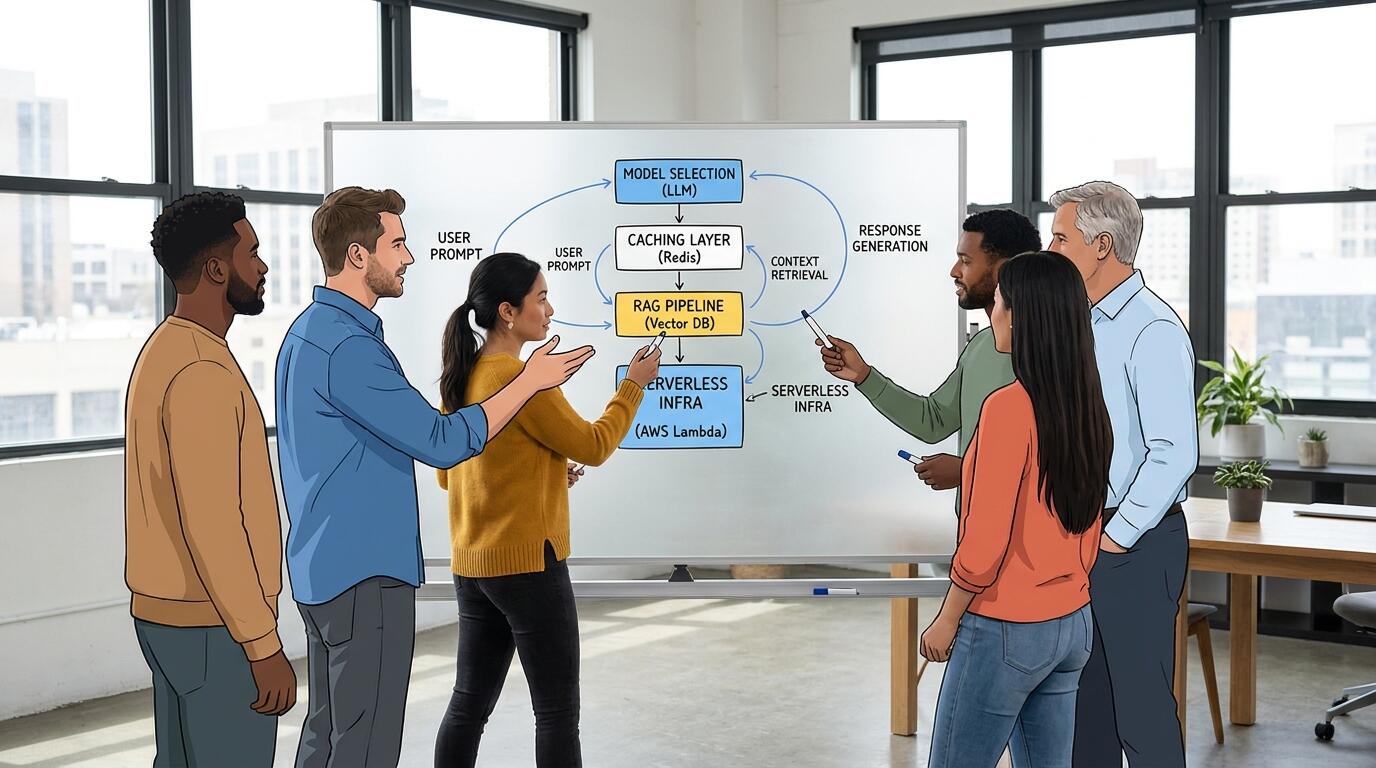
- 2026-08-20 How Early-Stage Startups Should Approach AI System Design on a Lean Budget This article guides early-stage startup founders and CTOs on building cost-efficient AI systems through five architectural pillars: task-model fit, semantic caching, RAG over fine-tuning, observability, and serverless-first infrastructure. Key takeaway: disciplined, lean AI architecture — not high spending — drives sustainable product-market fit. Read →
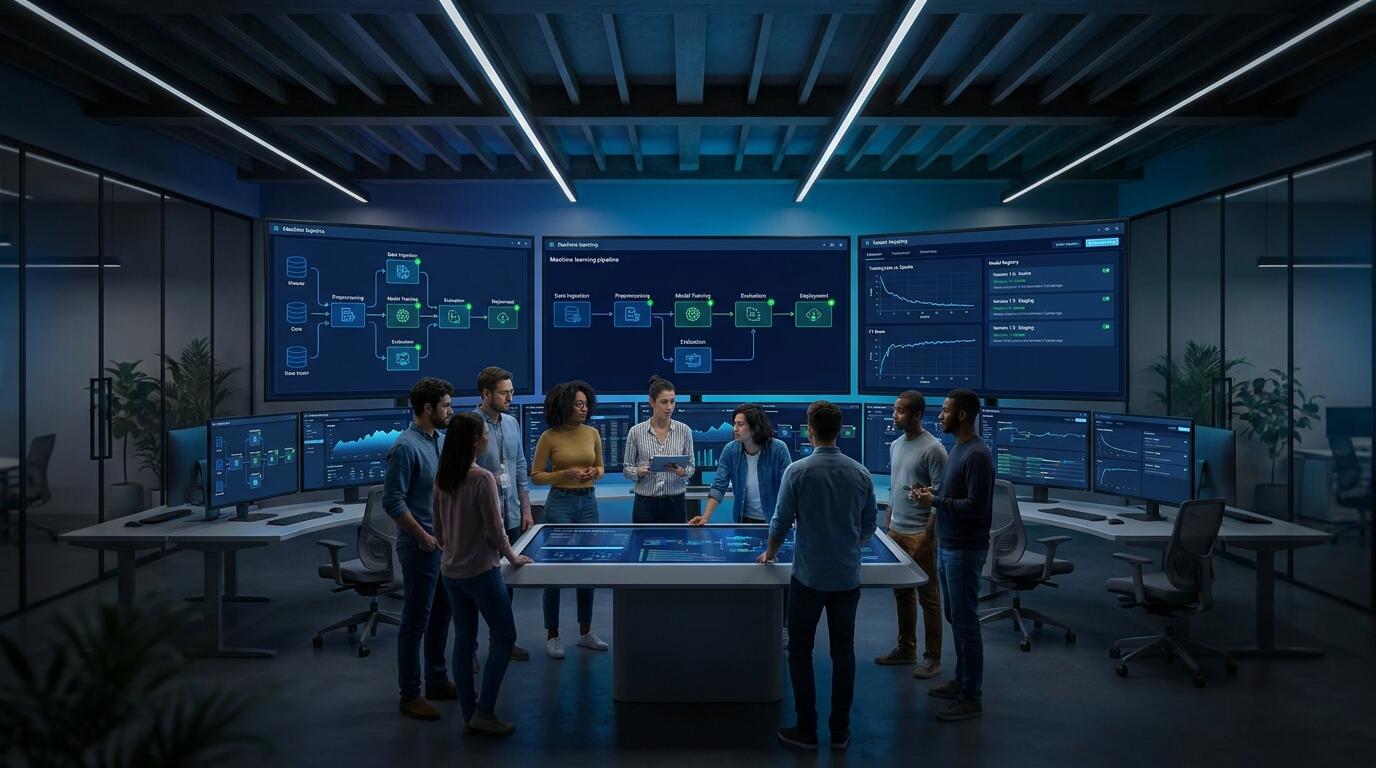
- 2026-08-19 How to Build Machine Learning Pipelines That Scale Past Prototype Stage A comprehensive engineering guide on scaling ML pipelines from prototype to production, targeting founders, CTOs, and engineers. Covers 7 actionable steps: data versioning, modularization, orchestration, model registry, deployment, observability, and automated retraining. Key takeaway: ML scaling is a systems engineering discipline requiring versioned artifacts, automation, and observability — not just better models. Read →
- 2026-08-19 What to Expect When Starting an AI Architecture Engagement This Quarter A practitioner's guide for founders and CTOs on structuring AI architecture engagements. Covers the three-phase first-quarter process (scope alignment, discovery, design), engagement model trade-offs, and overlooked risks like data quality and observability. Key takeaway: discovery depth determines architectural success. Read →

- 2026-08-14 Turning an AI Experiment Into a Shippable Product Feature This practitioner's guide addresses shipping AI features from experiment to production, targeting founders, CTOs, and senior engineers. It argues that the integration layer—not the model—is where most AI features fail, and prescribes a 3-step audit-first approach, observability-before-feature-build, and post-launch operational discipline as the keys to reliable AI product delivery. Read →
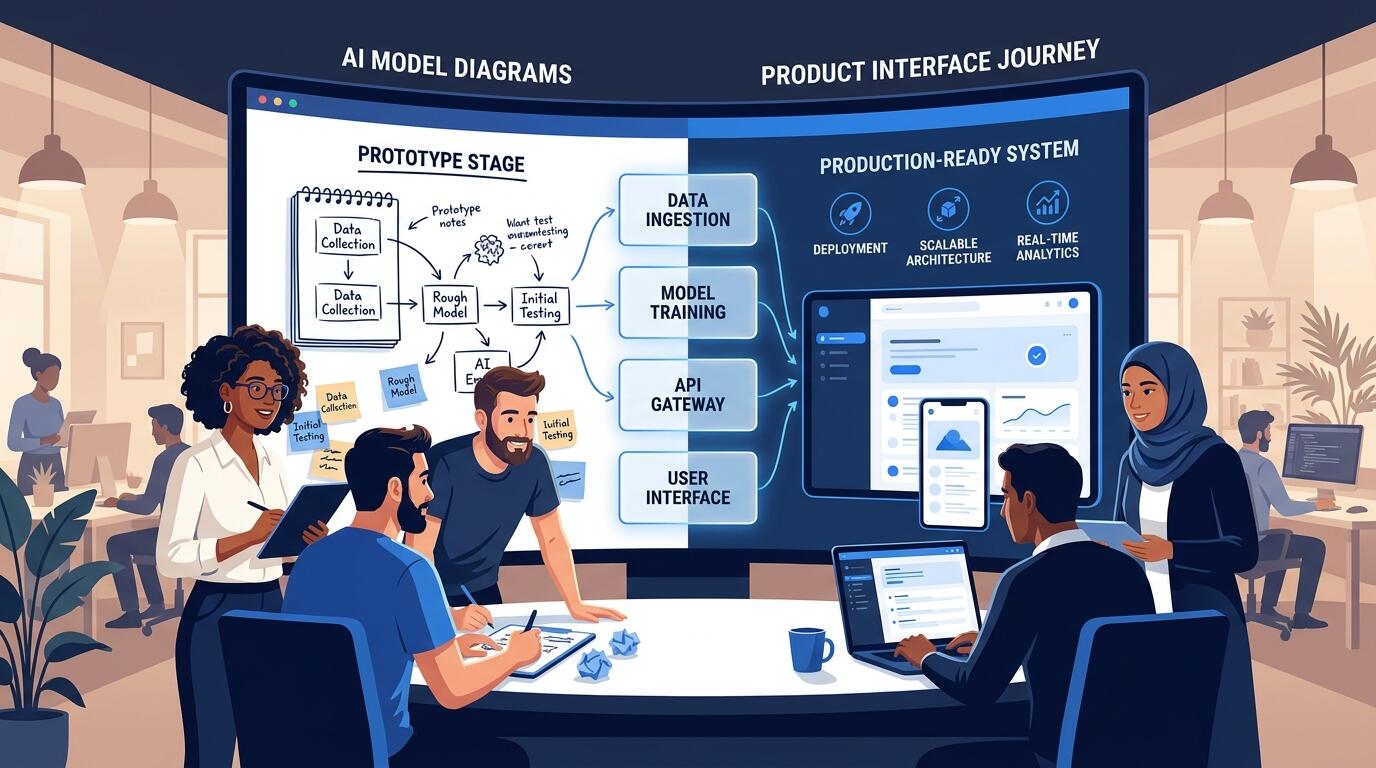
- 2026-08-14 Avoiding AI Feature Bloat: Staying Focused on Core Product Value in 2026 This article argues that AI feature bloat — accumulating AI capabilities beyond core user value — is the dominant product risk of 2026. Targeting founders, CTOs, and product leads, it diagnoses root causes (demo-driven roadmaps, competitive mimicry, underestimated maintenance), presents a strategic comparison table of AI product approaches, and prescribes three governance shifts: feature value thresholds, deprecation reflexes, and evaluation infrastructure before expansion. Read →

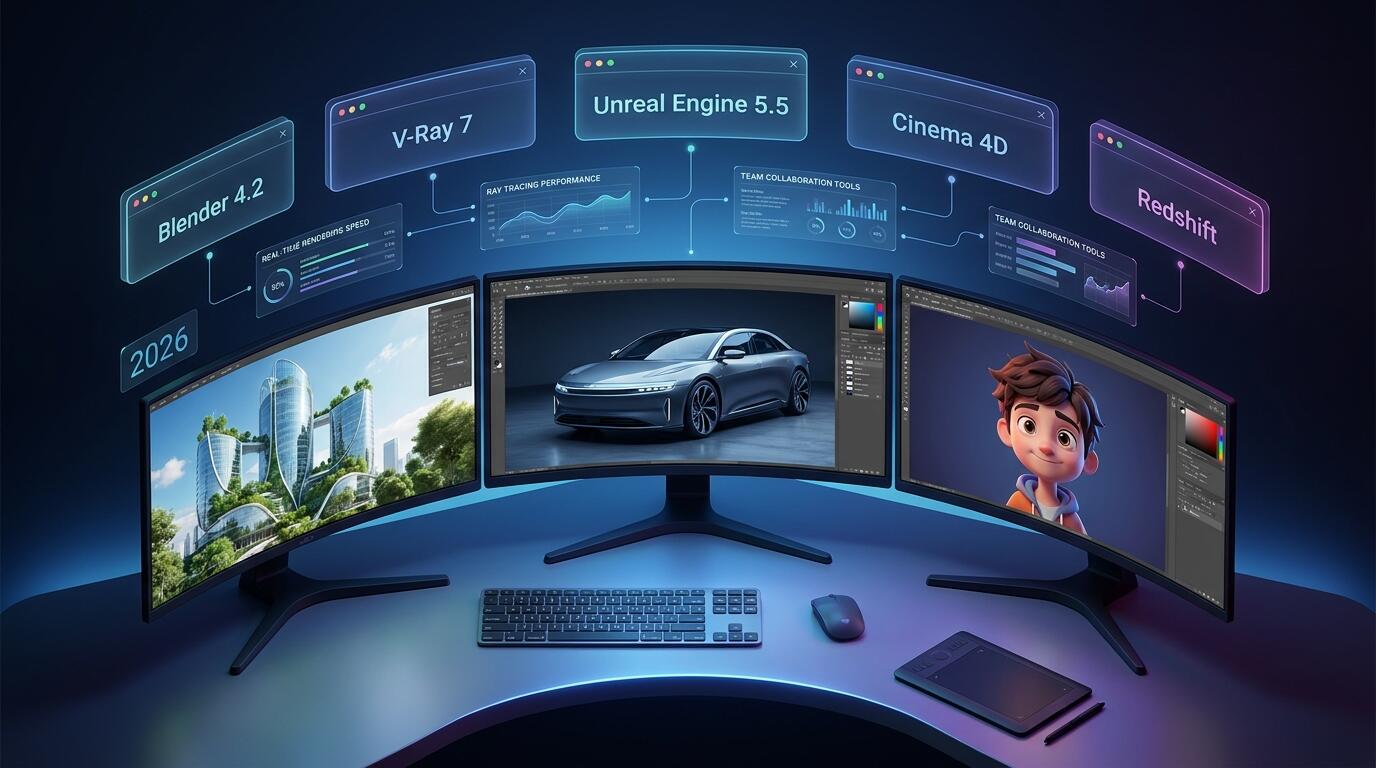
- 2026-08-14 Best Rendering Software Options for Technical and Design-Led Teams in 2026 A 2026 practitioner guide comparing 9 rendering software tools (Blender, V-Ray, Unreal, Houdini, etc.) for technical and design-led teams. Argues tool selection is a systems/pipeline decision, not just a visual quality benchmark. Key takeaway: match tools to team skills, treat rendering as infrastructure for AI pipelines, and adopt a two-tier real-time + path-traced workflow strategy. Read →
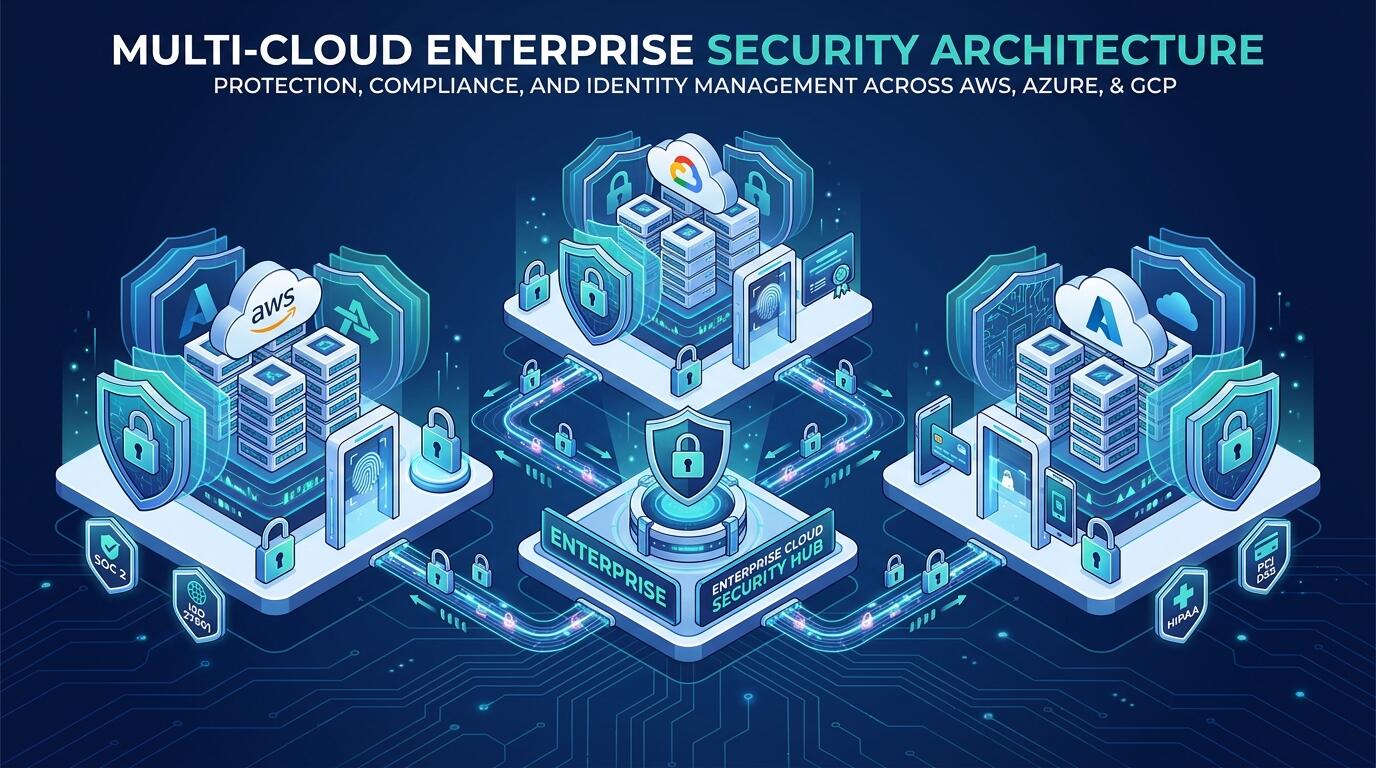
- 2026-08-14 Cloud Computing Security Best Practices for Enterprise Compliance in 2026 A practitioner-grade 2026 guide on enterprise cloud security compliance covering 8 core practices: zero-trust identity, continuous monitoring, encryption, cloud-native SecOps, supply chain hardening, audit logging, vulnerability management, and resilience. Targets security engineers and CTOs in regulated industries. Key takeaway: compliance is an operational discipline requiring continuous evidence, not a one-time configuration. Read →
No posts yet