Blog
Notes from turning ideas into live, running products — AI products, cloud storage, SEO and full-stack practice. The brief is short and frequent; this is long and occasional.
- 2026-09-04 Semantic Search at Scale: What It Really Costs to Index 10,000 Files Today This article delivers an honest, practitioner-level cost breakdown of building semantic search for 10,000 files at scale, targeting startup CTOs and product engineers. Core argument: true costs extend far beyond embedding API fees — chunking strategy, re-indexing overhead, and pipeline reliability are the real budget drivers. Key takeaway: hybrid search + early architectural discipline = production success. Read →

- 2026-09-03 5 Signs Your AI Infrastructure Strategy Needs a Second Look This Quarter This article identifies 5 warning signs that an AI infrastructure strategy needs urgent review: runaway inference costs, fragile ML pipelines, deployment bottlenecks, observability gaps, and undocumented architecture. Targeting engineering leaders and AI product teams, it provides diagnostic frameworks, prioritization guidance, and a comparison table. Key takeaway: infrastructure strategy must be re-evaluated continuously, not treated as a one-time decision. Read →

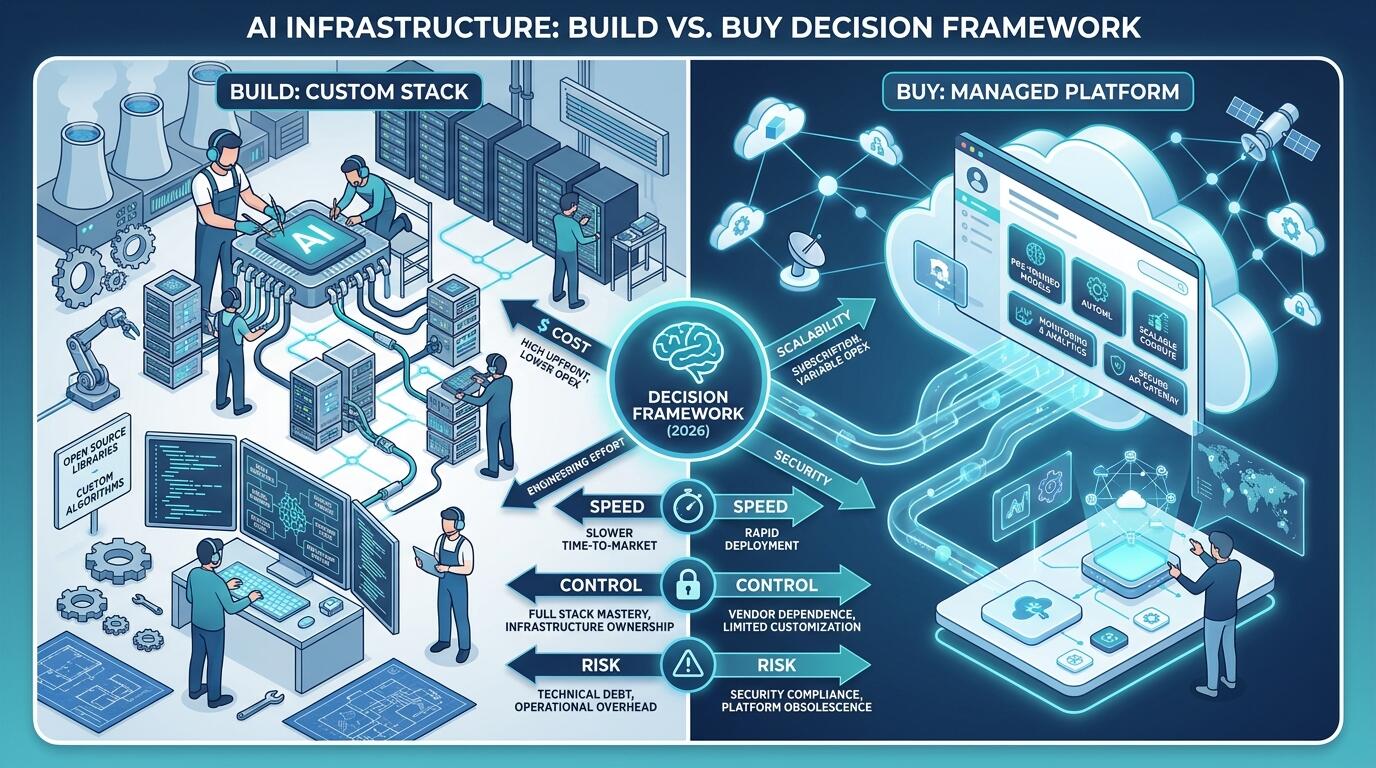
- 2026-09-03 Build vs. Buy for AI Infrastructure: Revisiting the Framework for Late 2026 This article provides a practitioner-tested framework for engineering leaders deciding whether to build custom AI infrastructure, buy a managed platform, or adopt a hybrid approach in 2026. It evaluates six key criteria—TCO, time to value, control, vendor risk, team fit, and scalability—with a comparison table and scenario-based recommendations. Key takeaway: start with managed platforms to validate product-market fit, then selectively build custom layers where differentiation is real. Read →
- 2026-09-02 What to Expect When You Start an AI Architecture Engagement This Fall This article guides startup CTOs and engineering directors through the phases of a real AI architecture engagement — discovery, design, implementation, and handoff — explaining why fall is the ideal time to start. It compares engagement models and emphasizes that early architectural investment reduces long-term cost and technical debt. Read →

- 2026-09-02 A Founder's Guide to Choosing an AI Architecture Partner This Quarter A comprehensive 7-step framework for tech founders and startup CTOs to evaluate and select AI architecture partners. Covers practitioner vetting, full-stack depth assessment, trial engagements, and working model alignment. Key takeaway: prioritize shipped production evidence over credentials, assess all five AI stack layers, and mandate documentation as a primary deliverable. Read →
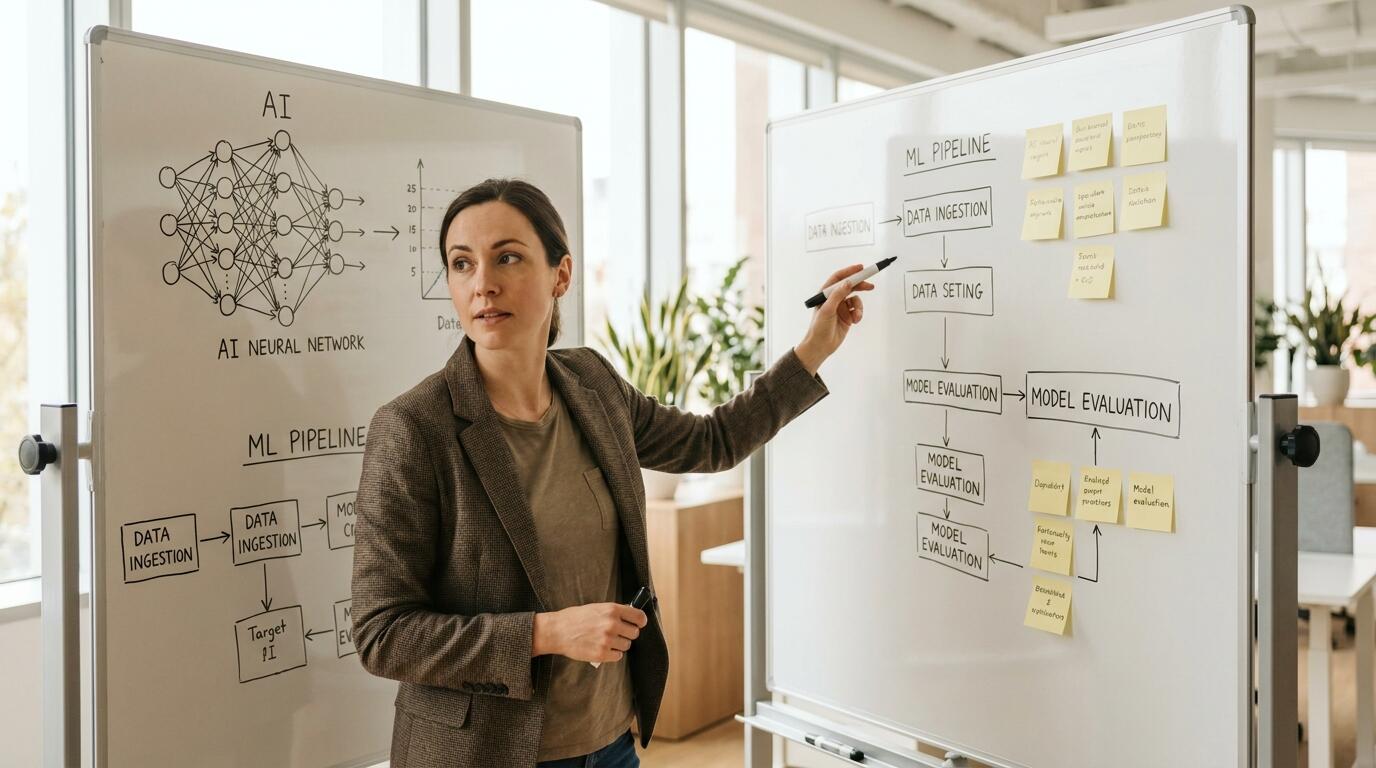
- 2026-08-30 Best Technology Consultants for Early-Stage Startups Building AI Products This article guides early-stage startup founders, CTOs, and technical PMs in selecting the right AI technology consultant type — from embedded architects to MVP builders. It argues that AI-specific expertise and artifact-based milestones are non-negotiable. Key takeaway: match consultant type to your startup's specific gap (leadership, architecture, execution, or validation) to avoid wasting runway. Read →
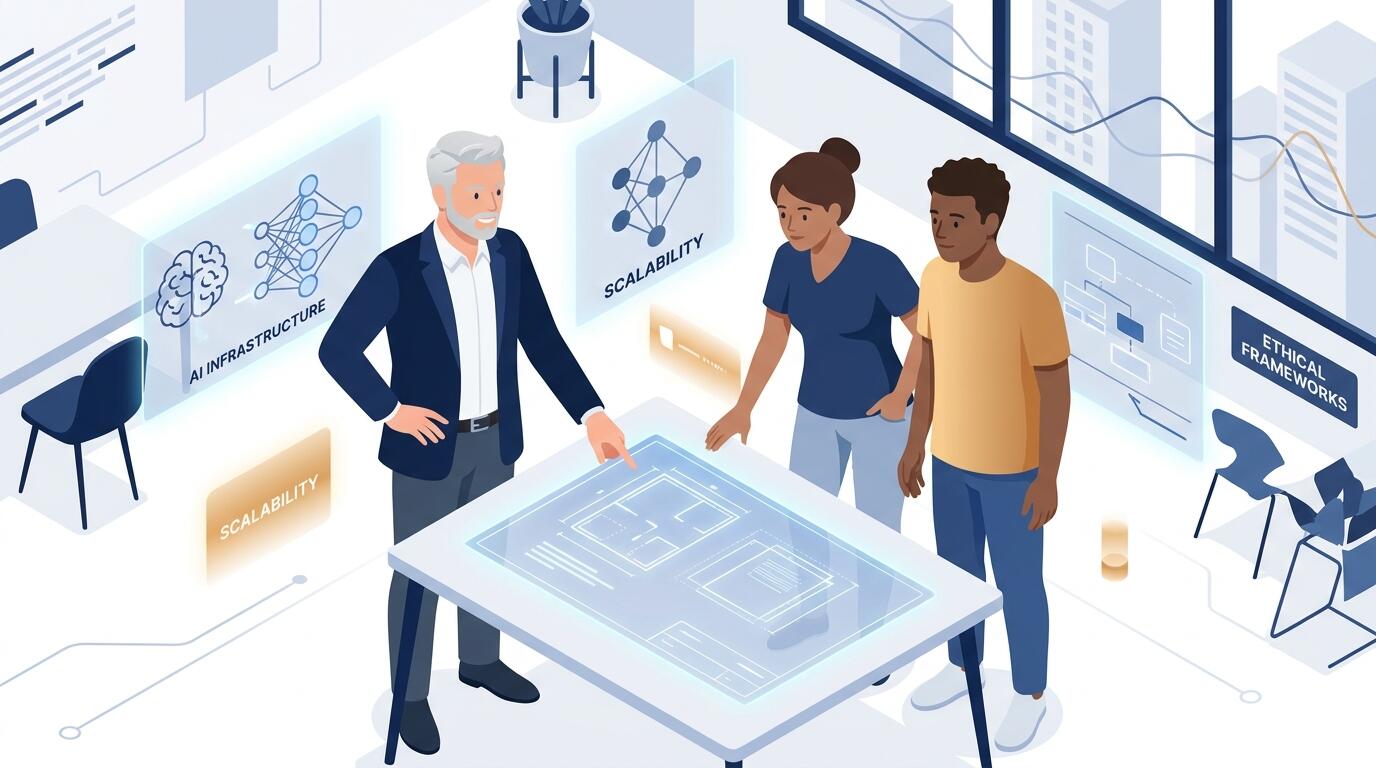
- 2026-08-29 Questions to Ask Any AI Vendor Before You Commit Budget A practitioner-tested, 5-domain framework for technical leaders evaluating AI vendors before budget commitment. Targets CTOs, engineering leaders, and founders. Core argument: treat AI vendors as infrastructure, not SaaS — interrogate versioning, data governance, SLAs, lock-in, and support rigor before signing. Read →

- 2026-08-28 How to Evaluate AI Development Tools Before Signing a Contract This Quarter A step-by-step procurement guide for CTOs, technical founders, and engineering leaders on rigorously evaluating AI development tools before signing contracts. Core argument: discipline in criteria-setting, POC testing, and contract negotiation prevents costly post-commitment regrets. Key takeaways: define criteria first, test on real data, and negotiate for optionality and data portability. Read →

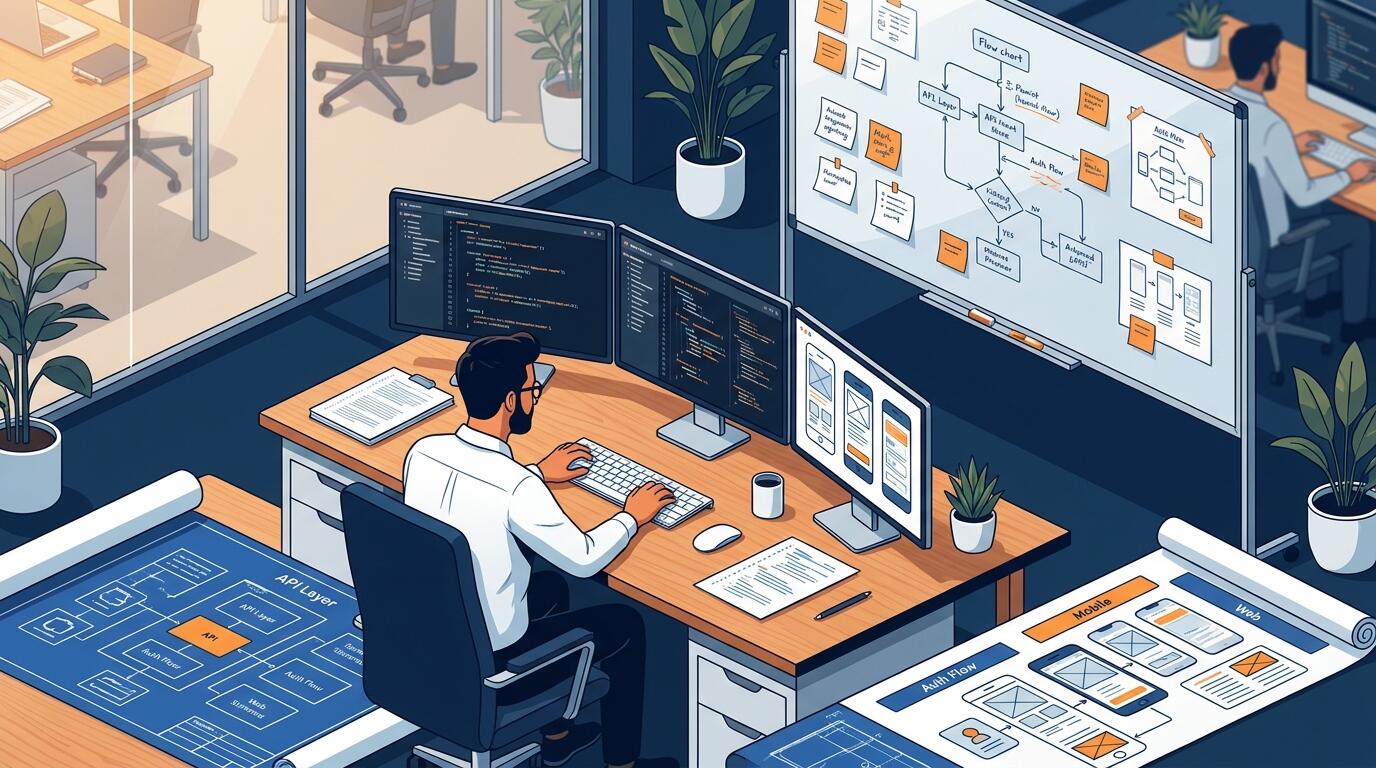
- 2026-08-28 Full-Stack Considerations When Extending a Web Product to Mobile in 2026 A comprehensive 2026 guide for full-stack engineers extending web products to mobile, covering 9 critical architecture dimensions: API readiness, OAuth 2.0 auth, shared business logic, offline-first design, push notifications, performance budgets, state management, deployment cycles, and observability. Targets CTOs, engineering leads, and technical founders. Key takeaway: mobile expansion is a full-stack architectural undertaking, not a frontend port. Read →
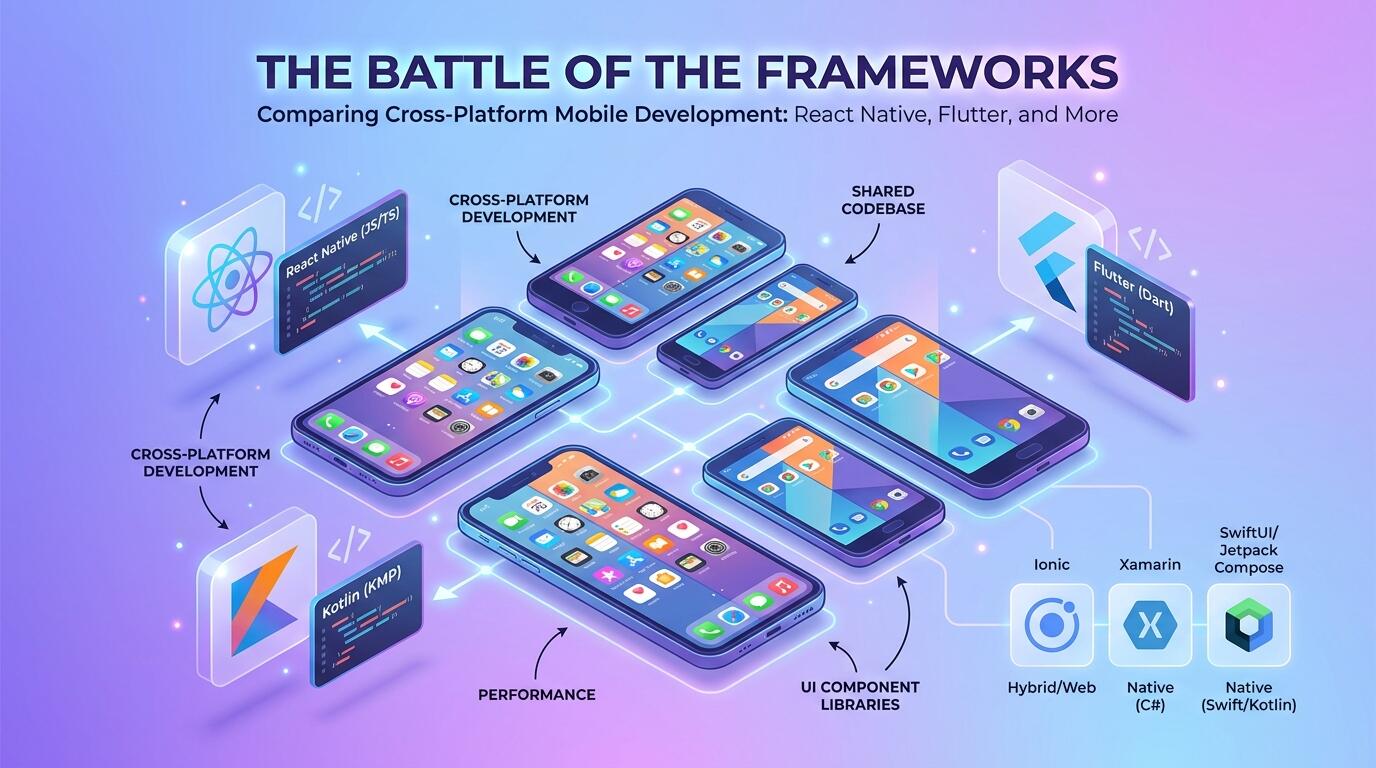
- 2026-08-27 Best Mobile App Development Frameworks for Teams New to Cross-Platform Builds A comprehensive 2024 guide comparing 7 cross-platform mobile frameworks (React Native, Flutter, KMP, Expo, Capacitor, .NET MAUI, NativeScript) for teams new to cross-platform builds. Core argument: framework choice should match team language expertise, product performance needs, and native integration depth — not trends. Key takeaway: modern frameworks have largely closed the native performance gap; start with what your team already knows to ship faster. Read →
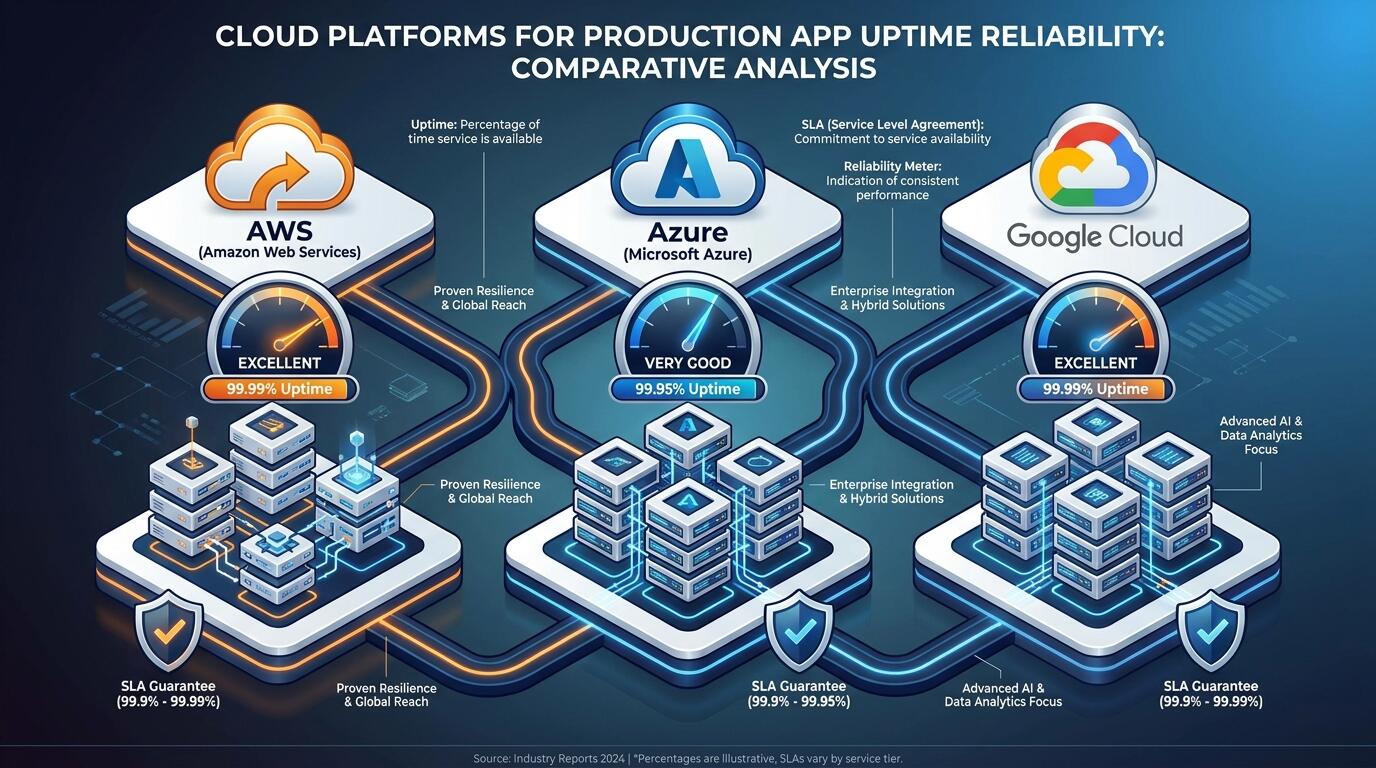
- 2026-08-26 Which Cloud Platform Offers the Best Uptime for Production Apps This Year Compares 8 major cloud platforms (AWS, GCP, Azure, Cloudflare, OCI, DigitalOcean, IBM, Hetzner) on production uptime reliability. Targets founders, CTOs, and engineering leads. Key argument: real uptime is an architectural outcome, not a platform feature — match provider strengths to team maturity and workload type. Read →
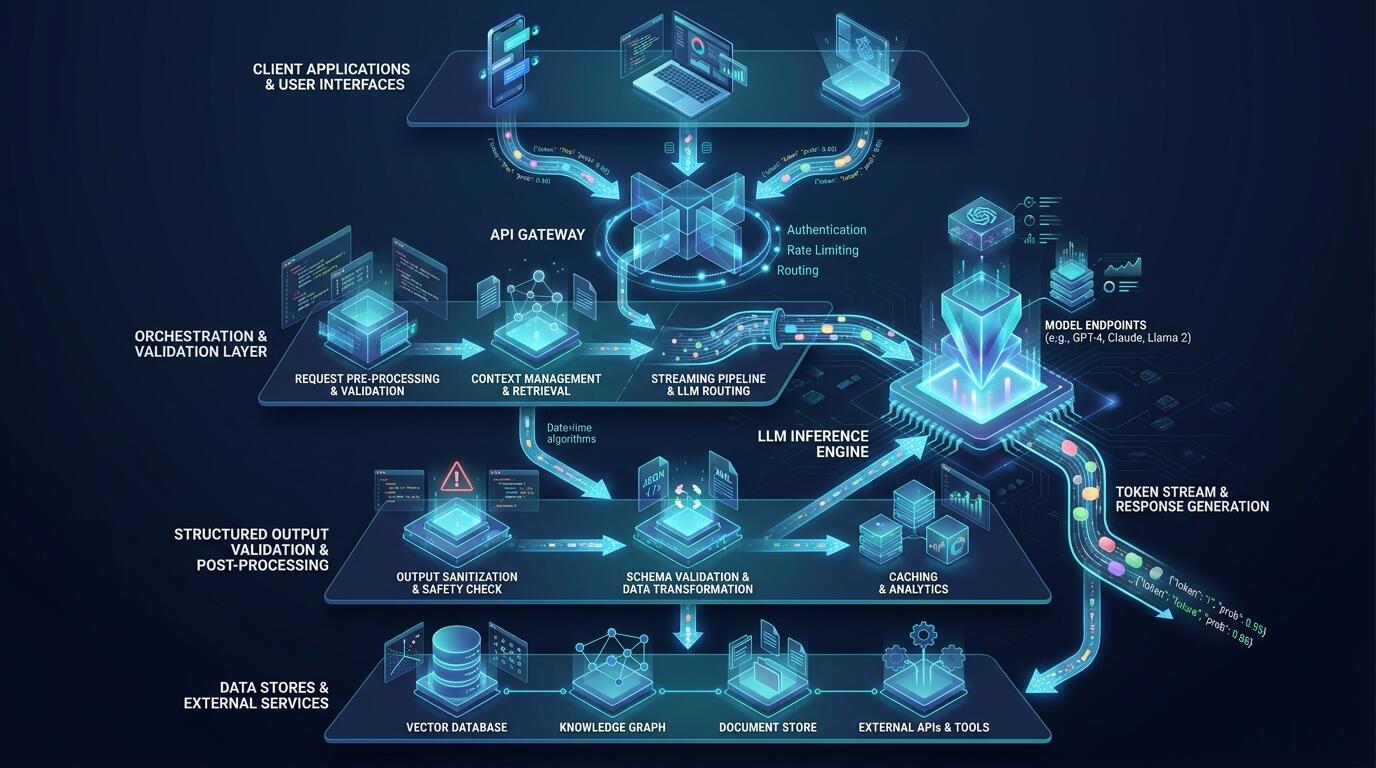
- 2026-08-26 Building APIs Designed to Work Cleanly with LLM-Powered Features This article argues that API design — not model selection — is the critical foundation of reliable LLM-powered products. Targeting engineers and technical leads, it details five root causes of LLM-API friction (unstructured output, latency, context limits, retry logic, observability gaps) and compares four architectural approaches with trade-offs. Key takeaway: treat the LLM interface with the same rigor as any critical service boundary. Read →
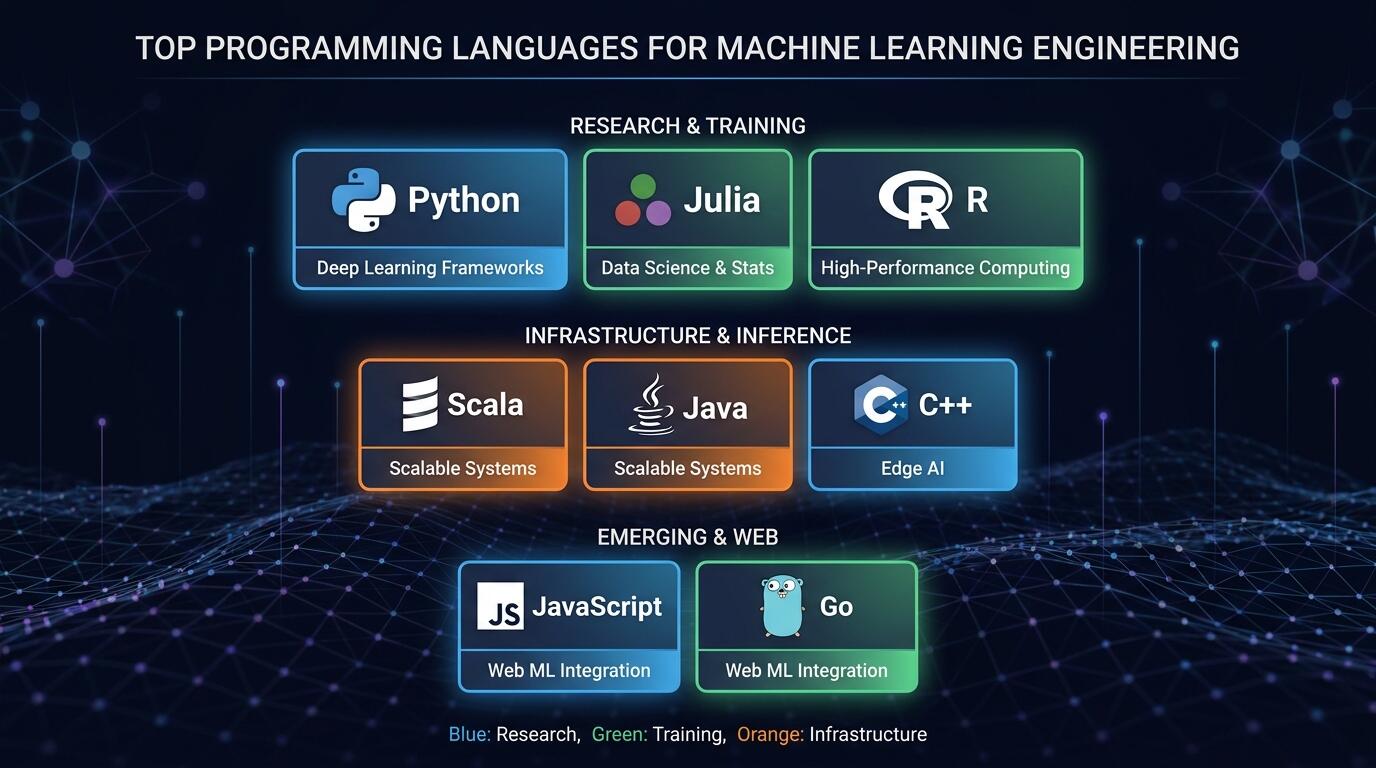
- 2026-08-25 Best Programming Languages for Machine Learning Engineering Right Now This article ranks 8 programming languages for machine learning engineering (Python, Julia, R, Scala, Java, C++, JS/TS, Go) by ecosystem maturity, production viability, and community momentum. Targeting ML engineers and AI architects, it argues Python is the essential foundation while mature systems span multiple languages by layer. Key takeaway: match language to architectural need, not trends. Read →
- 2026-08-25 Legacy System Migration to Cloud: A Practical Roadmap for This Year A comprehensive, practitioner-written roadmap for enterprise legacy system migration to cloud, covering inventory, phased execution, R-strategy selection, security, and AI readiness. Targets engineering leaders, CTOs, and architects. Key takeaway: phased, complexity-scored migration beats lift-and-shift, unlocking cost savings and AI-ready infrastructure. Read →

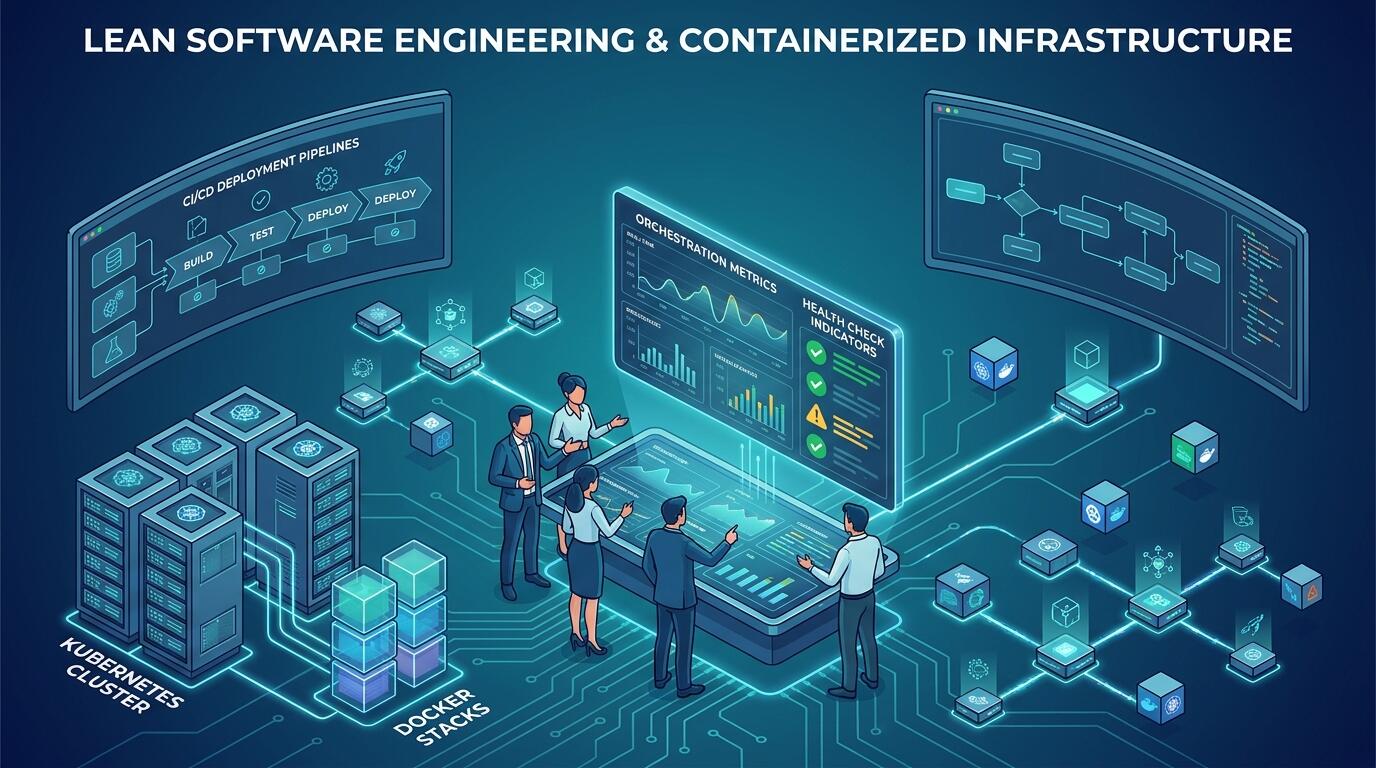
- 2026-08-24 Containerization and Orchestration Best Practices for Small Engineering Teams A comprehensive, opinionated guide on containerization and orchestration best practices tailored for small engineering teams (2–8 engineers). Covers 9 core practices — from minimal images and registry discipline to CI/CD automation and observability — helping lean teams reduce operational complexity, prevent deployment incidents, and scale sustainably without a dedicated platform team. Read →
No posts yet