Blog
Notes from turning ideas into live, running products — AI products, cloud storage, SEO and full-stack practice. The brief is short and frequent; this is long and occasional.
- 2026-09-11 How to Manage a Distributed Engineering Team Without Losing Velocity This Fall A practical framework for tech founders, CTOs, and engineering leaders to maintain distributed team velocity during fall. Covers 7 actionable steps — from velocity auditing and async communication redesign to sprint restructuring, ownership models, and dependency mapping — backed by IEEE, DORA, MIT, and PMI research. Read →

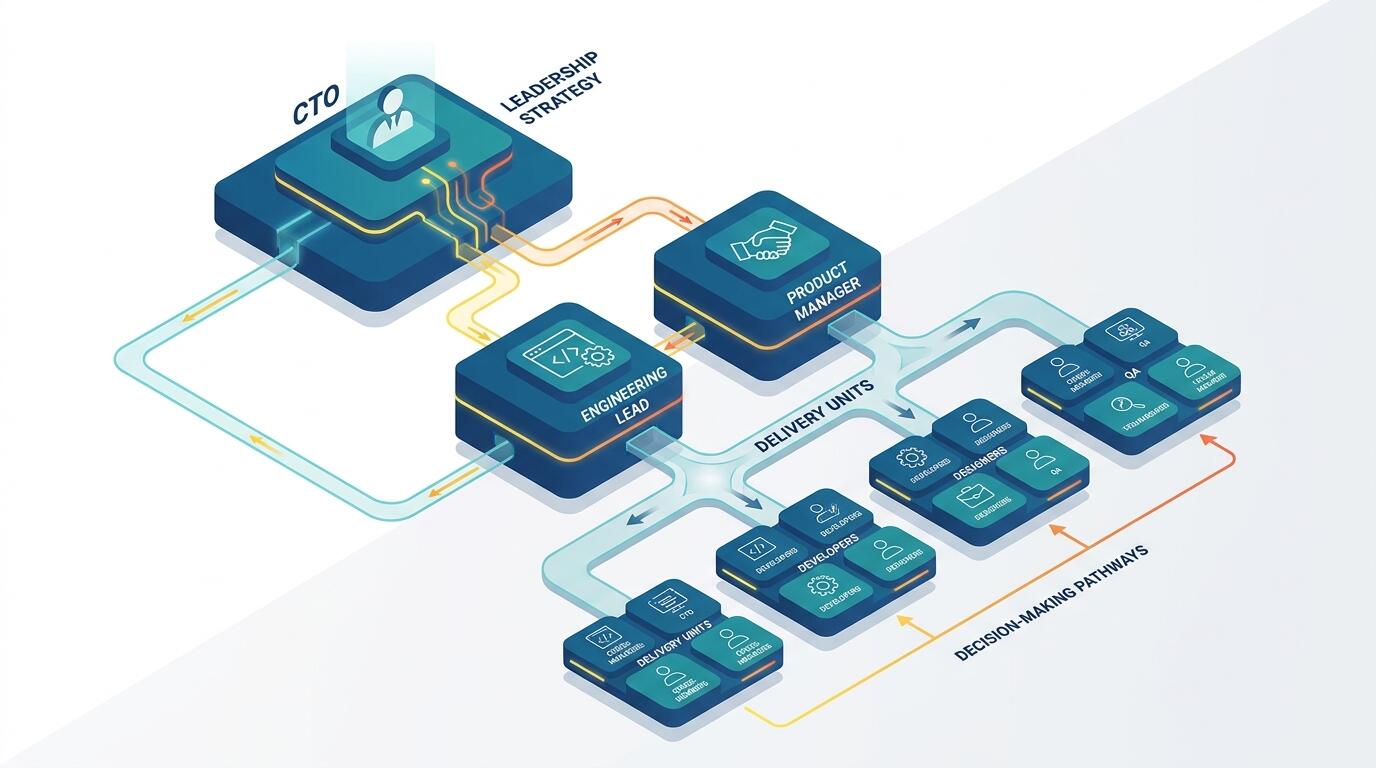
- 2026-09-11 Reporting Structures That Actually Work for Product Development Teams This article guides engineering and product leaders on designing effective reporting structures for product development teams. It argues that structural misalignment — not talent gaps — causes shipping failures, and prescribes a 3-step audit process, a model comparison table, and principles like authority-context alignment and Conway's Law to fix them. Read →
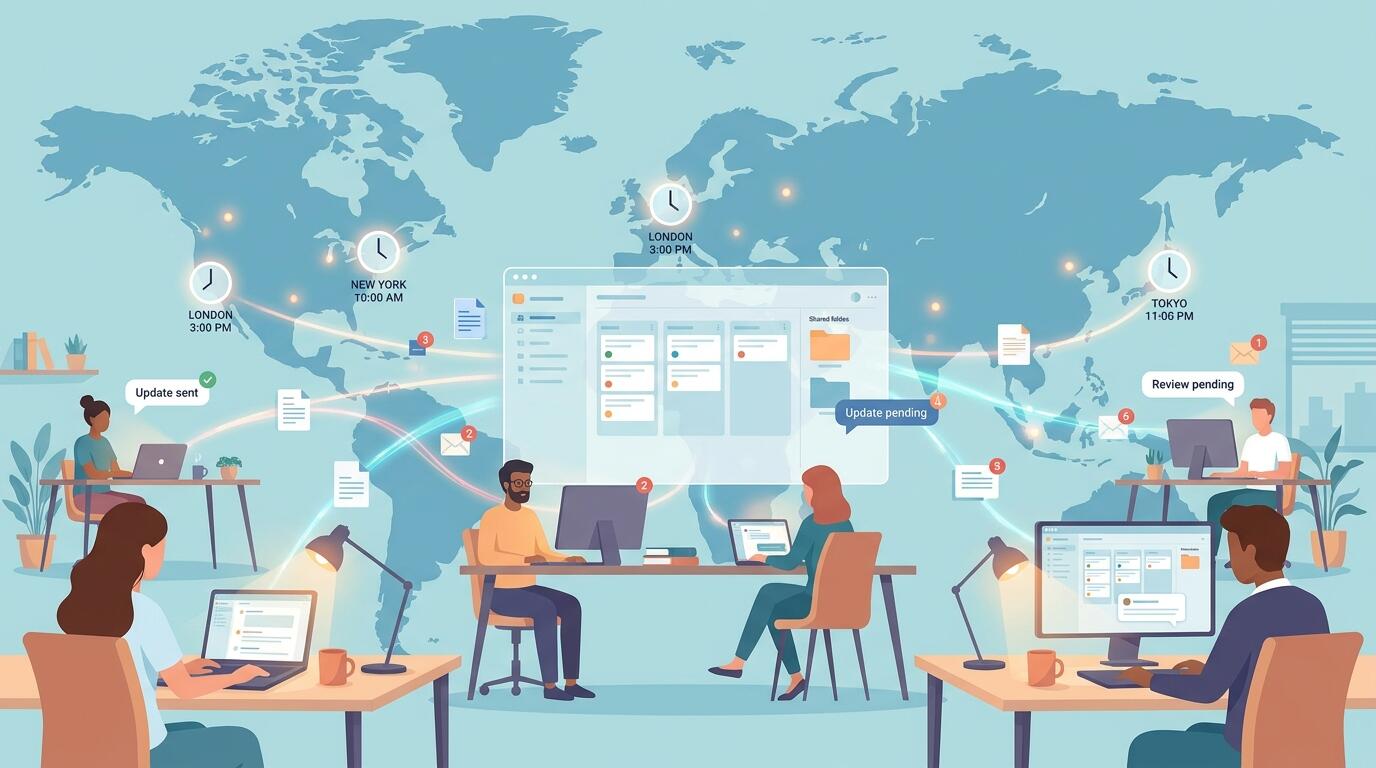
- 2026-09-10 Async Communication Habits That Keep Distributed Teams Aligned This Quarter This guide teaches engineering leaders and CTOs how to build async communication habits for distributed teams. It covers channel taxonomy, update templates, decision documentation, and quarterly reviews across 7 actionable steps. Key takeaway: structured async practices reduce meeting overhead, protect deep work, and directly improve delivery speed and quality. Read →
- 2026-09-10 A Practical Playbook for Setting Technical Direction Across Time Zones This article compares synchronous, asynchronous, and hybrid technical leadership models for distributed engineering teams, using six criteria: decision velocity, alignment depth, documentation fidelity, inclusivity, cognitive load, and scalability. Targeting engineering directors and tech leads, it argues the structured hybrid model is optimal for growing distributed teams, with async as the right default for wide timezone spreads. Read →

- 2026-09-09 AI Governance for Enterprise Teams: A Practical Starting Point A practical enterprise AI governance guide covering foundational frameworks, risk tiering, model ownership, and operational processes. Targets engineering leaders and CTOs building governance from scratch. Key takeaways: start with an AI system inventory, assign named ownership, implement a minimum viable governance process (model registry, change gates, incident playbooks), and treat governance as an engineering discipline — not a compliance checkbox. Read →

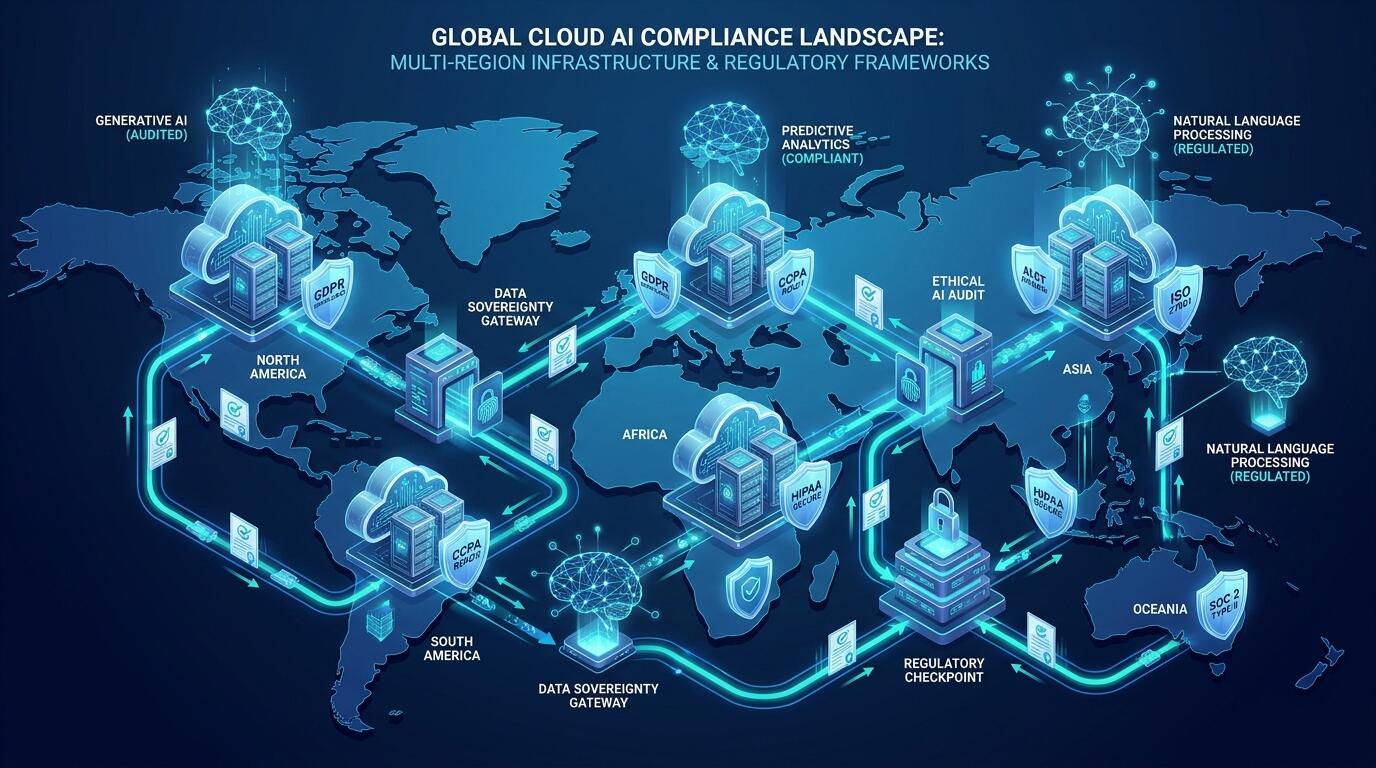
- 2026-09-09 Cloud Compliance for AI Workloads: What Changed Heading Into Q4 2026 This article examines the structural shift in cloud compliance for AI workloads entering Q4 2026, targeting engineering leaders and CTOs. It argues compliance is now an architectural concern — covering data residency, inference logging, and model documentation — driven by EU AI Act enforcement, NIST RMF adoption, and data sovereignty proliferation. Key takeaway: compliance debt compounds faster than technical debt, and teams must embed controls from the design phase to avoid costly retrofitting. Read →
- 2026-09-09 Governing AI Systems as You Approach 2027: What Enterprise Teams Are Doing Now This article outlines 9 actionable AI governance practices for enterprise engineering teams ahead of 2027 regulatory changes. Targeting CTOs, engineering managers, and founders, it argues governance must be an embedded engineering discipline—not a compliance checkbox. Key takeaways: build AI inventories, apply risk tiering, enforce human oversight, and extend governance to vendors. Read →

- 2026-09-09 Scaling Machine Learning Models Across Enterprise Teams: A 2026 Playbook A comprehensive enterprise ML scaling playbook targeting engineering leaders and CTOs. Covers 7 actionable steps — from model registry to deprecation policies — plus governance, monitoring, and platform team design. Key takeaway: ML scaling success is organizational and architectural, not purely technical. Read →

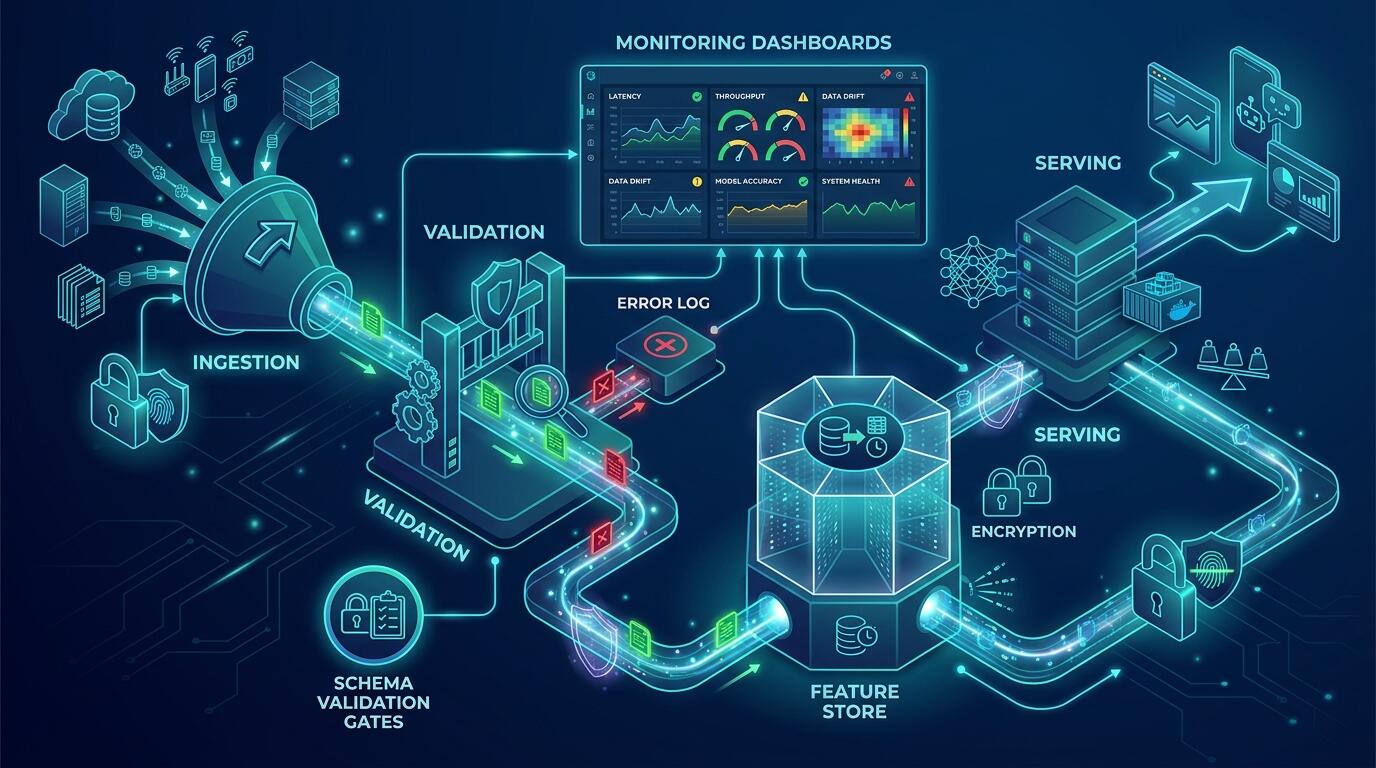
- 2026-09-06 Data Pipeline Design for AI Apps: A Production Readiness Checklist This article provides a production-readiness checklist for AI data pipelines, covering 8 critical dimensions: schema validation, data quality, idempotency, feature stores, lineage, ingestion scaling, secrets management, and observability. Targeting ML engineers and AI architects, it delivers actionable, expert-level guidance with real-world caveats and a clear implementation sequencing strategy. Read →
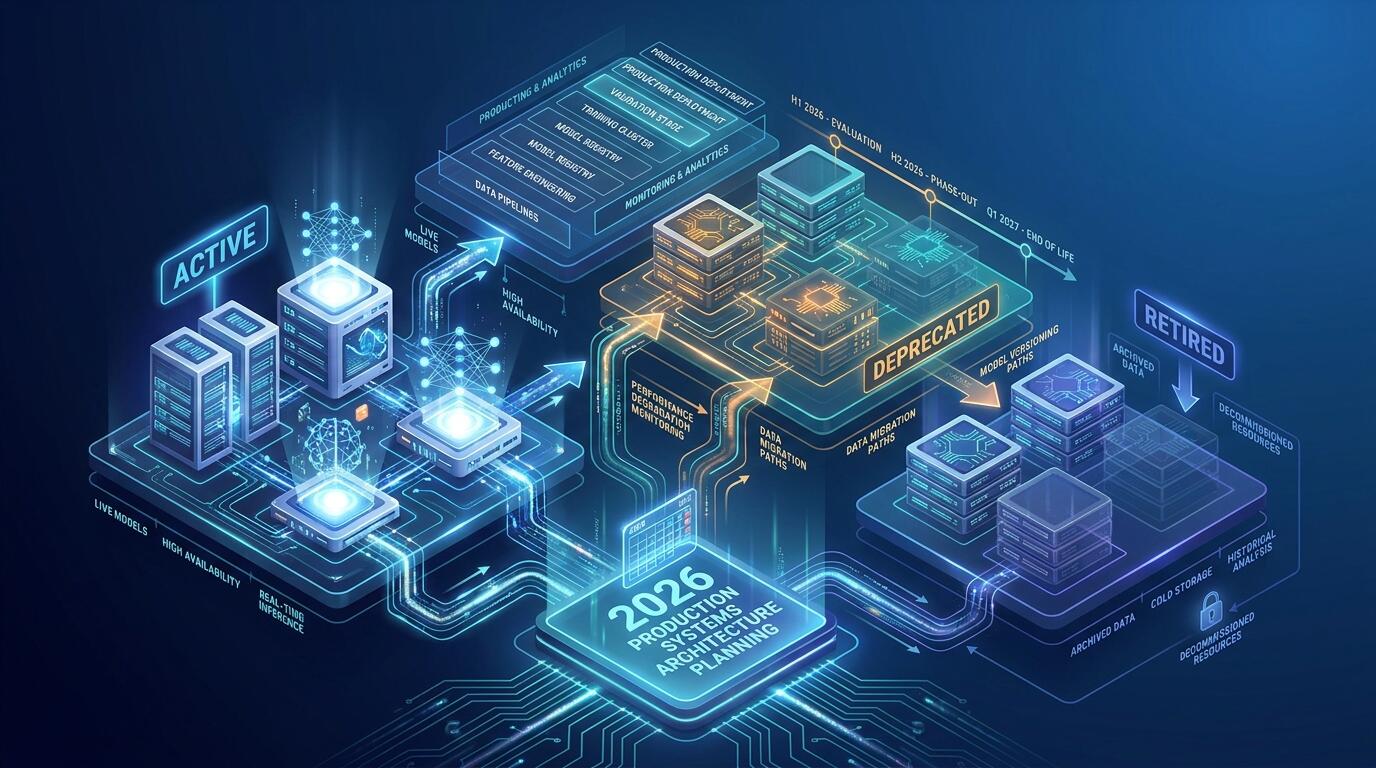
- 2026-09-06 Designing for Model Deprecation: A Practical Playbook for Late 2026 This article compares three AI architecture strategies — tightly coupled, abstraction layer, and multi-provider ensemble — for handling model deprecation in production systems. Targeting engineering leaders and AI product teams in 2026, it argues that upfront abstraction investment prevents costly emergency migrations. Key takeaway: match abstraction depth to feature longevity and build portable evaluations. Read →
- 2026-09-06 How Early-Stage Startups Should Budget for AI System Design This Quarter A practical budget framework for early-stage startups (pre-seed to Series A) planning AI system design investments. Core argument: structure spending across three phases — architecture, build, and stabilization — to avoid costly rework. Key takeaways: treat AI architecture as a distinct budget line, never skip evaluation infrastructure, and model infrastructure costs before committing to a tech stack. Read →

- 2026-09-06 GPU Utilization Tactics Worth Trying Before You Scale Further A technical deep-dive for AI engineers, startup CTOs, and engineering leaders on maximizing GPU utilization before scaling hardware. Covers 7 actionable tactics—profiling, gradient accumulation, mixed precision (AMP/BF16), data pipeline optimization, memory management, quantization, and multi-GPU tuning—with a troubleshooting table, pro tips, and FAQ. Core argument: measure and optimize first; scale only from an efficient baseline. Read →

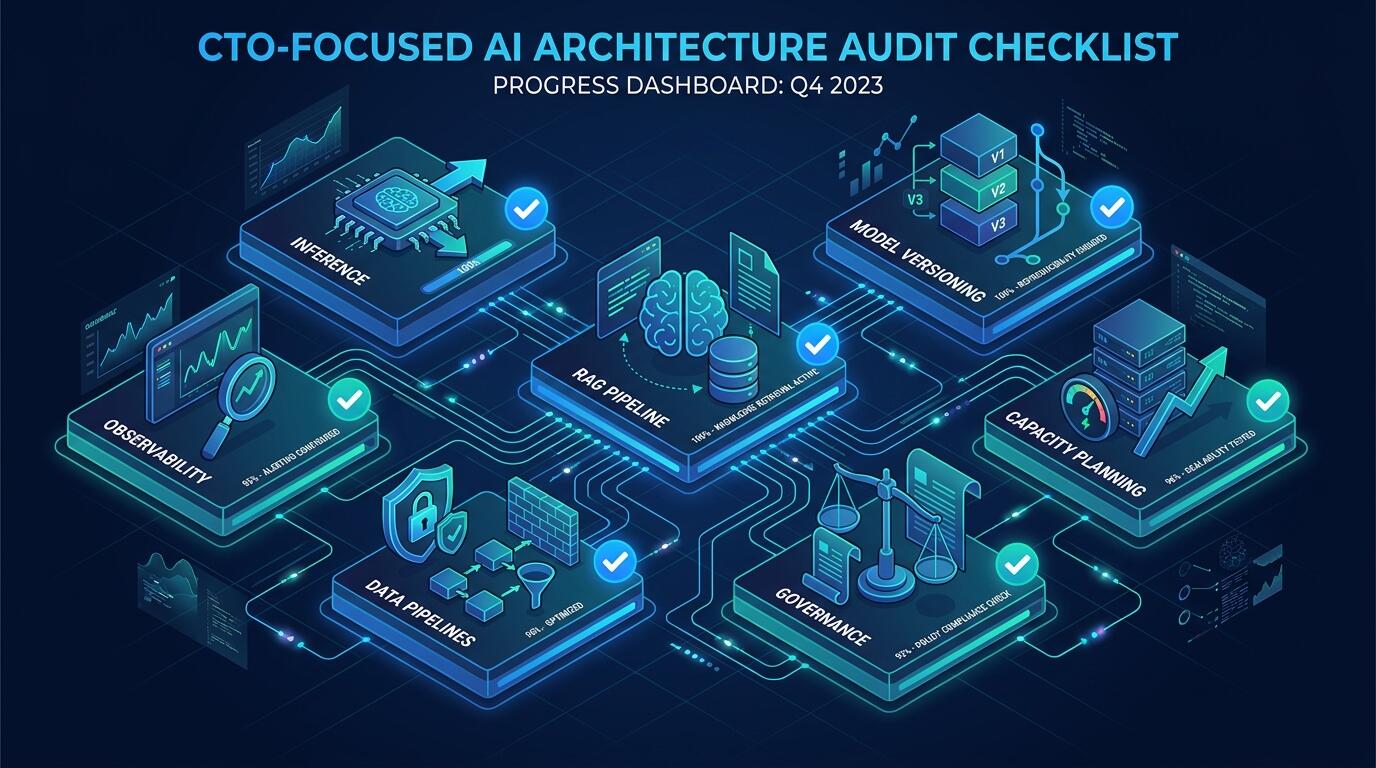
- 2026-09-05 AI System Architecture Checklist for CTOs Heading Into Q4 2026 A pre-Q4 2026 AI architecture audit checklist for CTOs and engineering leads, covering 8 critical areas: inference cost/latency, RAG pipeline quality, model versioning, AI observability, data pipeline integrity, endpoint security, governance, and capacity planning. Key argument: architectural debt surfaces under peak load — audit now to ship features instead of firefighting in Q4. Read →
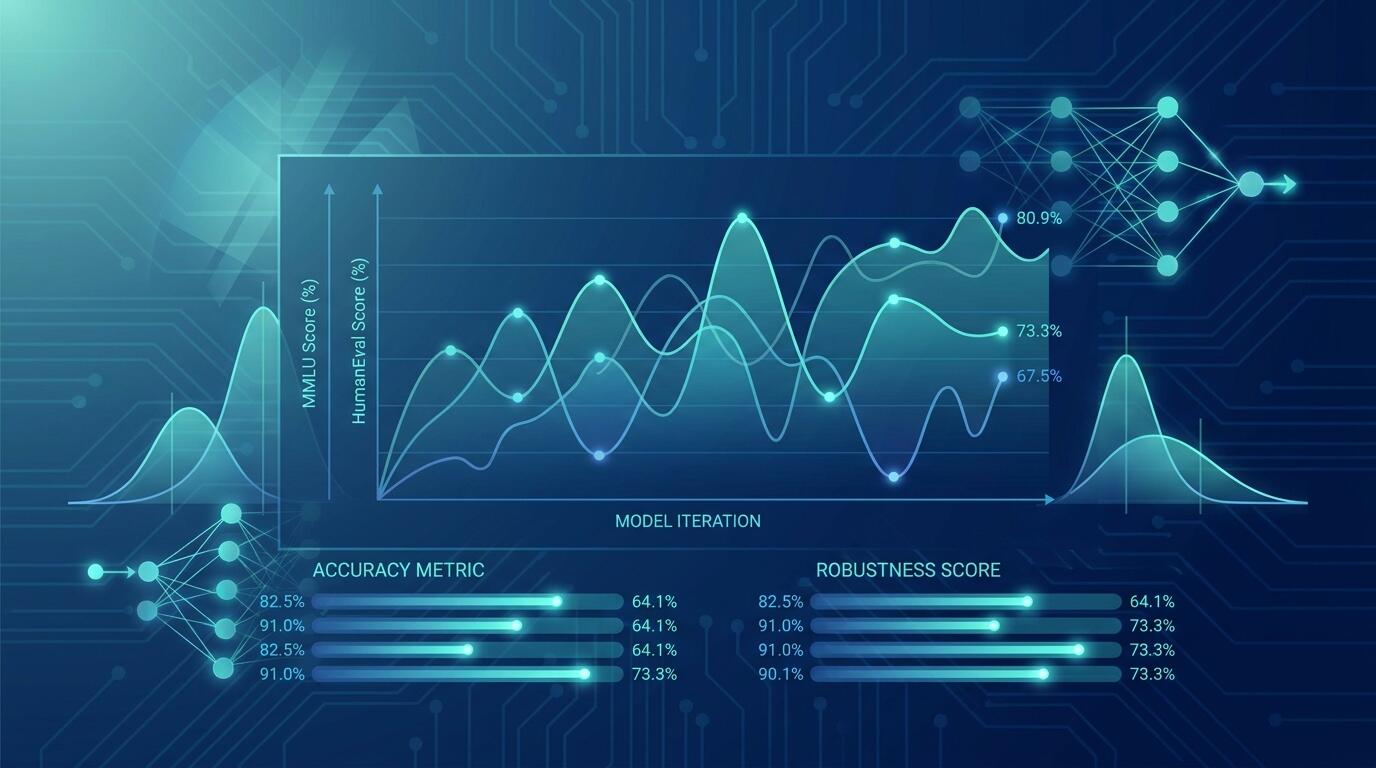
- 2026-09-05 Why LLM Evaluation Scores Keep Shifting on the Same Prompt This article explains why LLM evaluation scores are inherently unstable, covering root causes like temperature sampling, prompt sensitivity, context position effects, LLM-as-judge bias, and model version drift. Targeted at AI engineers and product leaders, it delivers actionable guidance: run multi-run benchmarks, pin model versions, and build task-specific eval sets from production data as core engineering practice. Read →
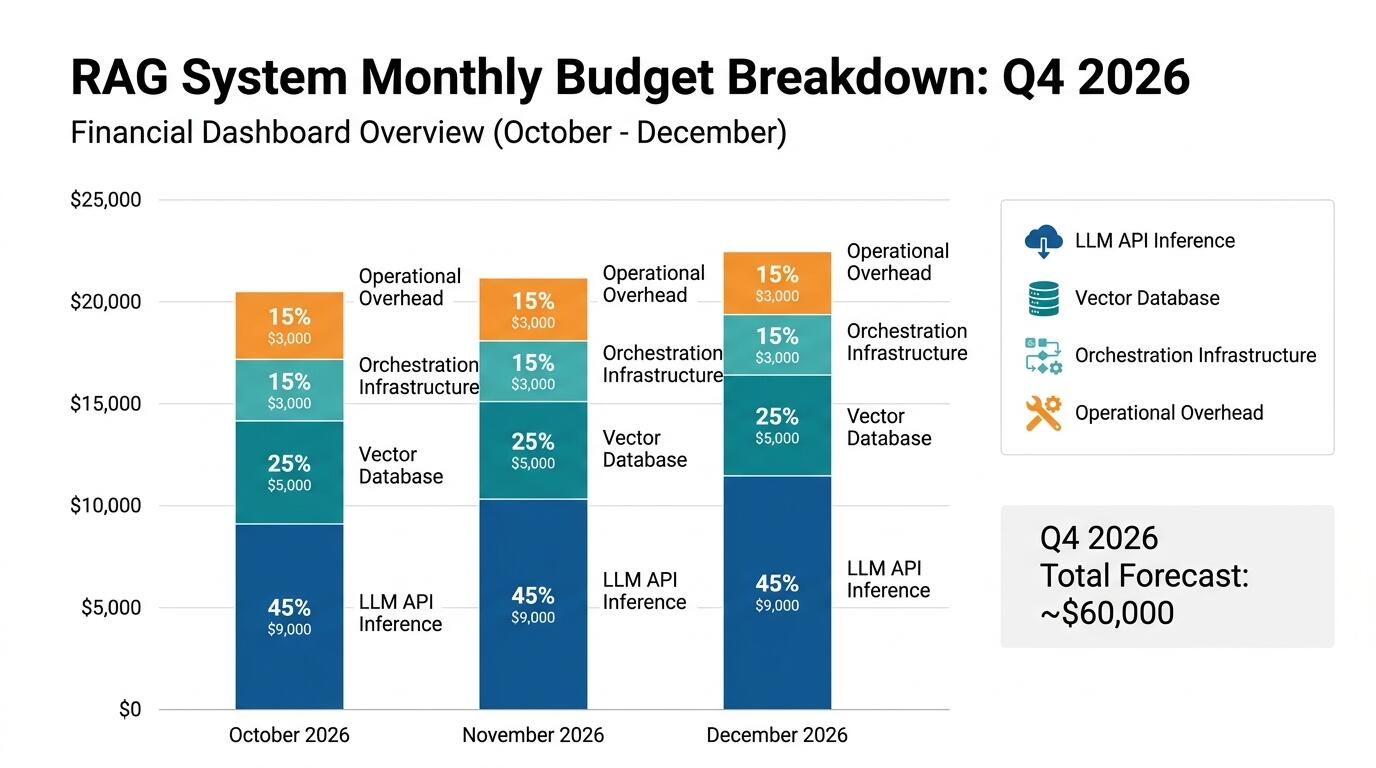
- 2026-09-04 RAG System Costs Explained: A Monthly Budget Breakdown for Q4 2026 This article breaks down the real monthly costs of running a production RAG system in Q4 2026, targeting CTOs, founders, and engineering leads. It systematically covers LLM inference, vector DB, orchestration, and operational overhead, compares three deployment profiles, and delivers actionable budget-planning priorities. Key takeaway: mid-scale deployments carry the highest cost risk; retrieval quality measurement is the top optimization lever. Read →
No posts yet