Blog
Notes from turning ideas into live, running products — AI products, cloud storage, SEO and full-stack practice. The brief is short and frequent; this is long and occasional.
- 2026-08-14 How Founders Should Vet Engineering Consulting Firms Before Hiring A step-by-step guide for tech founders and startup CTOs on rigorously vetting engineering consulting firms before hiring. It delivers a 7-step evaluation framework covering criteria definition, portfolio audits, technical depth testing, reference checks, and commercial alignment—helping founders avoid costly mismatches and choose partners who ship real products. Read →

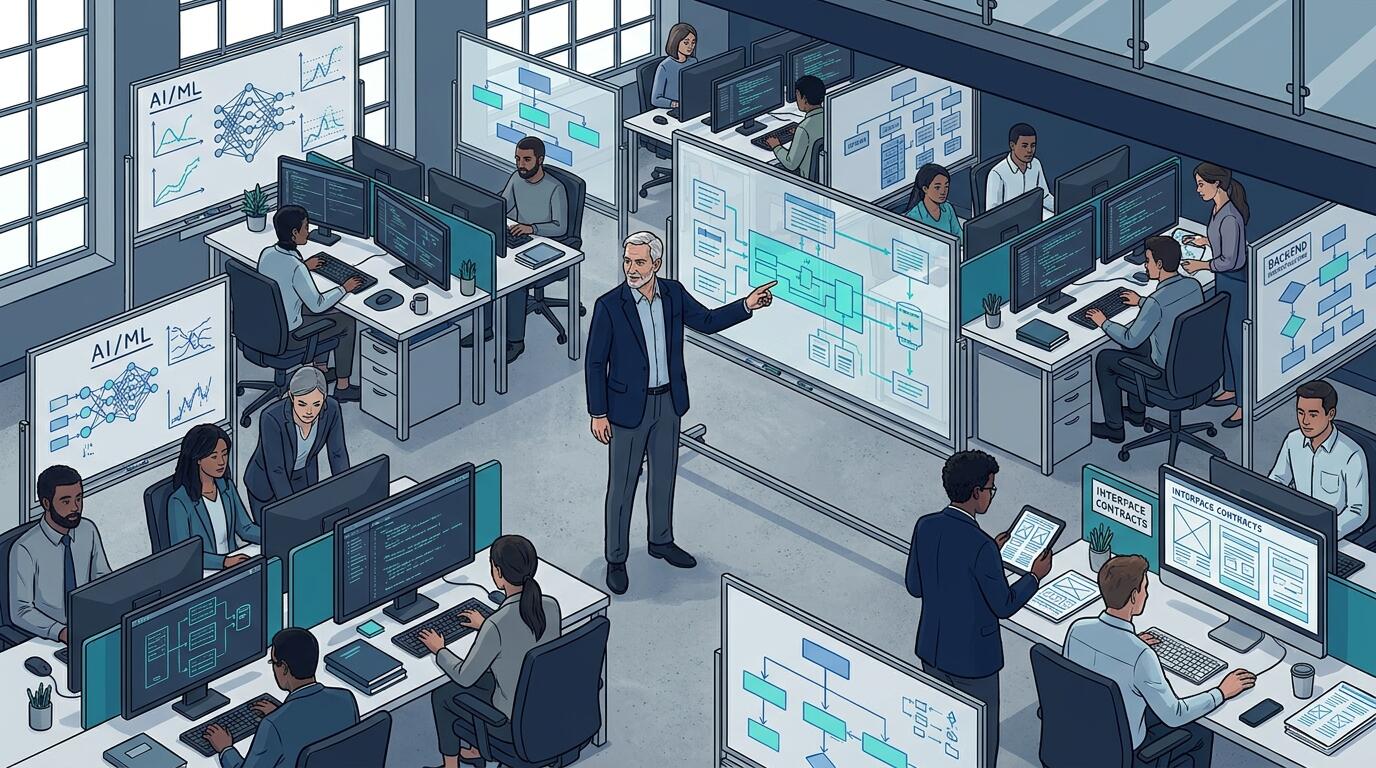
- 2026-08-14 Lessons in Managing Complex Engineering Projects Across Disciplines This article addresses cross-disciplinary engineering project management for CTOs, founders, and senior engineers. It argues that project failures stem from coordination breakdowns — abstraction mismatches, ownership gaps, and incentive misalignment — not talent. Key takeaways: invest early in interface contracts, explicit ownership, and technical leadership spanning all disciplines. Read →
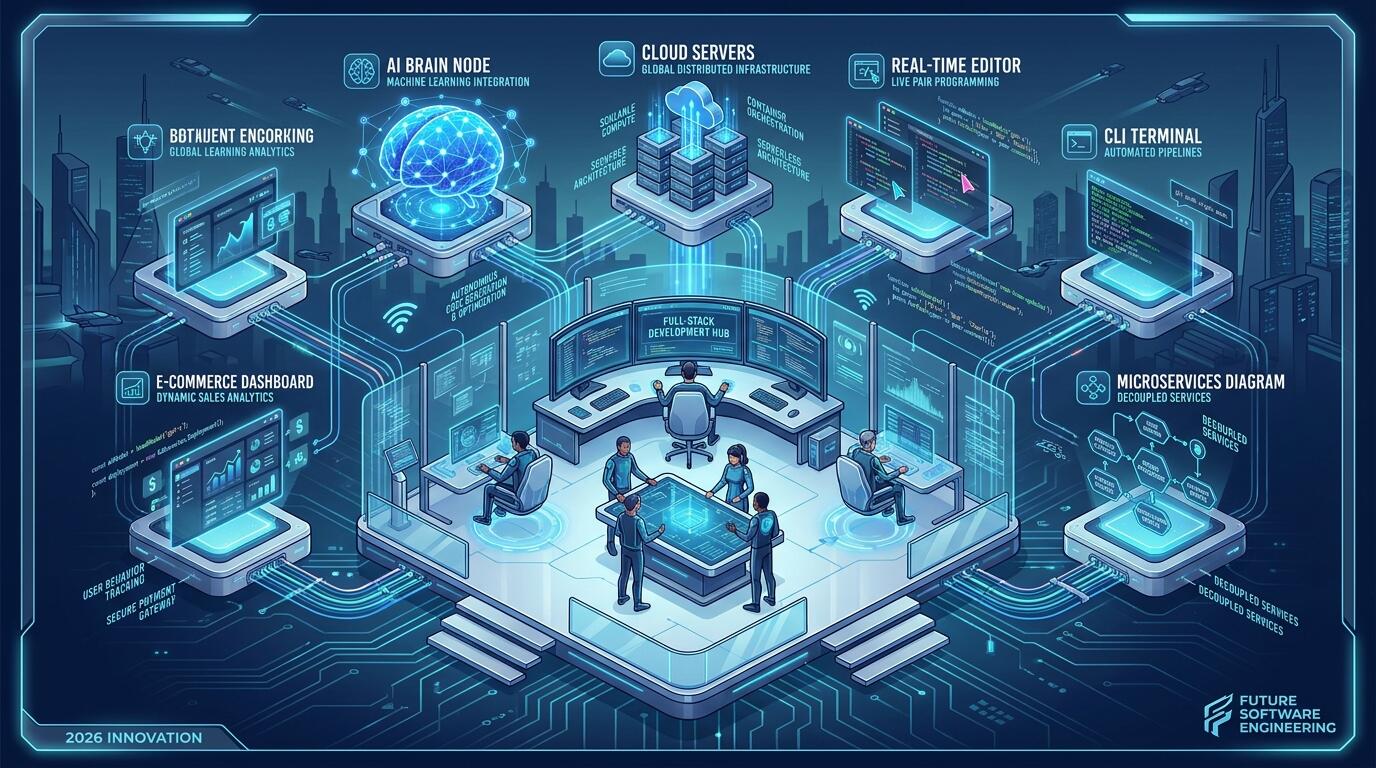
- 2026-08-13 Best Full-Stack Projects to Build While Leveling Up Your Skills in 2026 This article identifies 7 high-value full-stack projects for 2026 (AI Document Intelligence, SaaS Boilerplate, Real-Time Workspace, Dev Tools, E-Commerce, Observability Dashboard, AI Agent Orchestration). Targeting mid-to-senior engineers and technical founders, it argues that production-minded, architecture-heavy builds outperform tutorial clones for career advancement and portfolio credibility. Read →
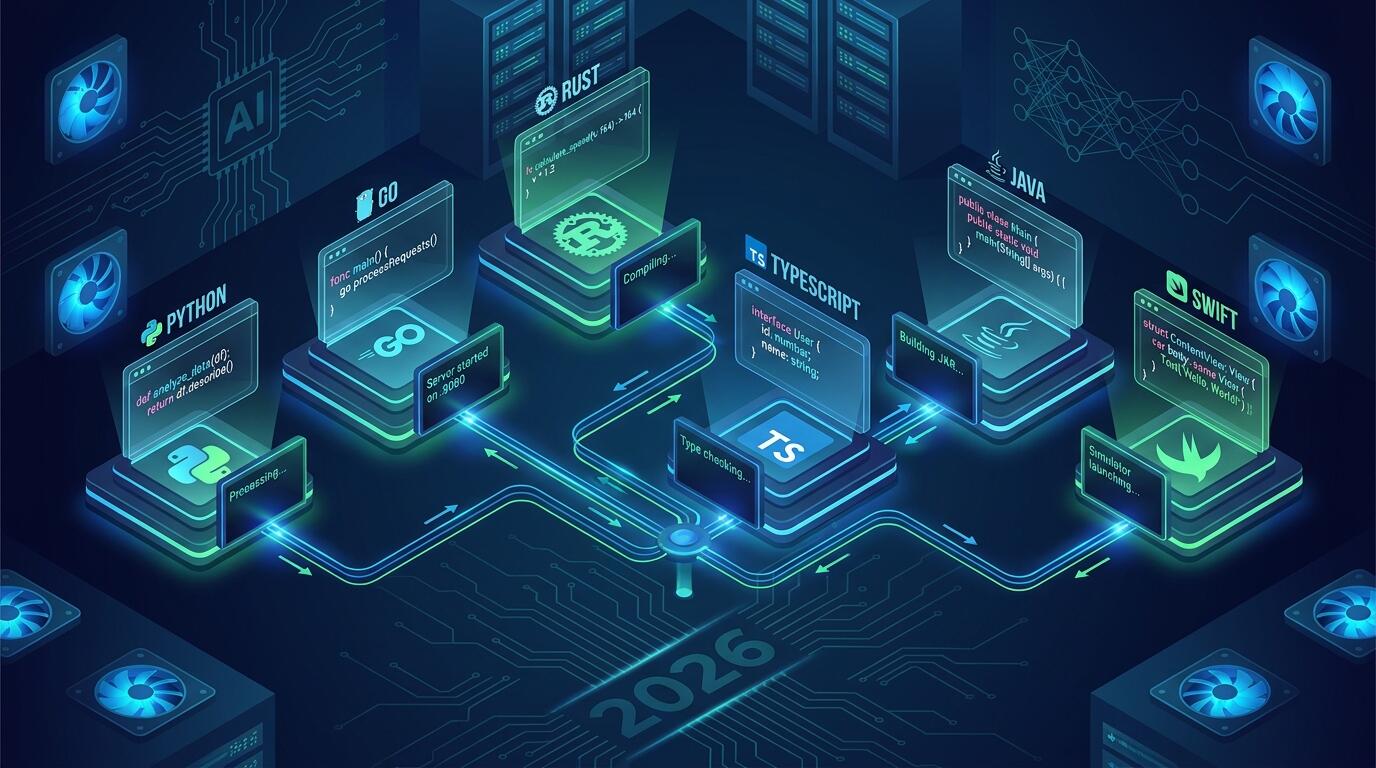
- 2026-08-13 Best Programming Languages for Building Production Systems in 2026 This 2026 guide evaluates 8 programming languages (Python, Go, Rust, TypeScript, Java/Kotlin, Swift, SQL, Python+C++) for production system selection, targeting CTOs and senior engineers. Core argument: match language to system constraints and team capacity, not trends. Key takeaway: polyglot architectures win; no single language dominates all layers. Read →
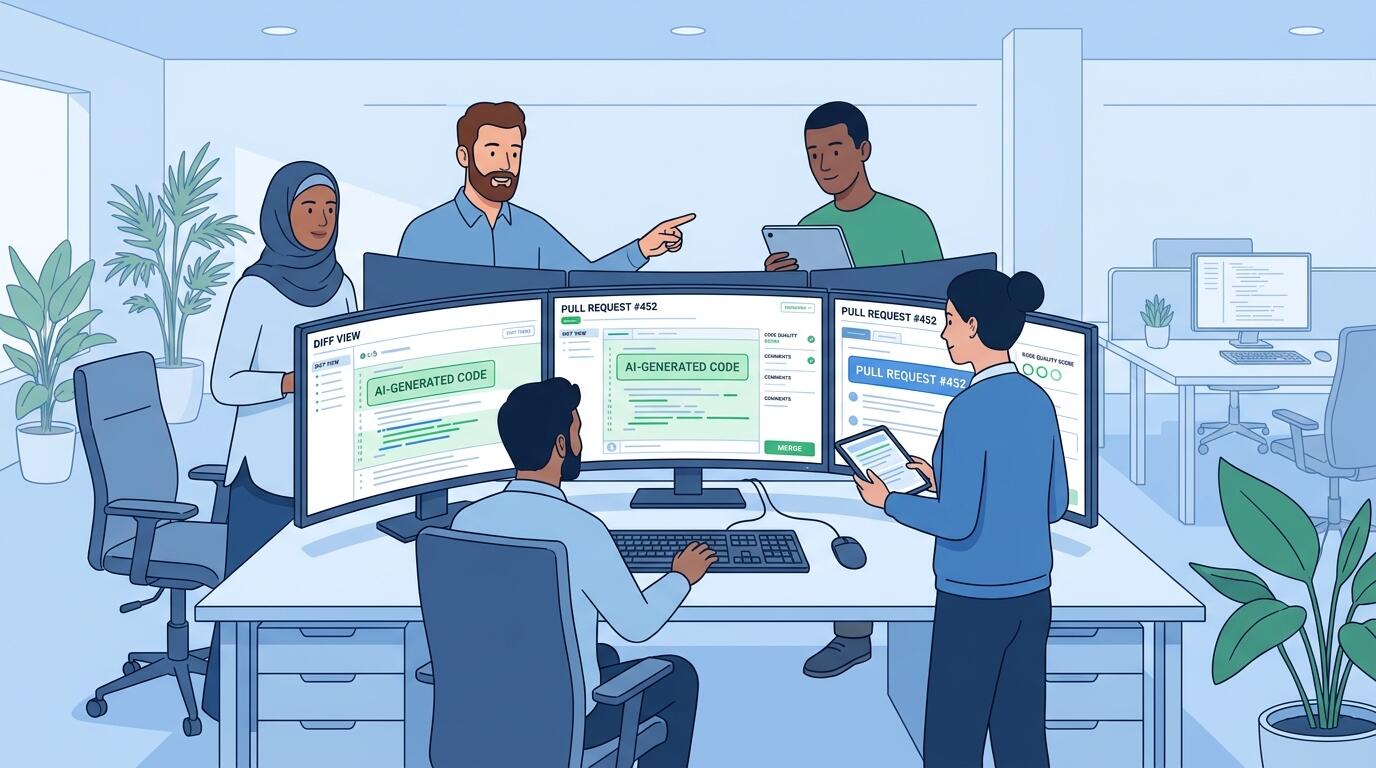
- 2026-08-13 Code Review Practices for Teams Where AI Writes Most of the First Draft A comprehensive 7-step guide for engineering leads and CTOs on building code review workflows when AI assistants author first drafts. Core argument: human accountability and judgment remain irreplaceable despite AI-generated speed gains. Key takeaways: adopt a proposal mindset, apply tiered risk-based review depth, mandate behavior-driven tests, automate mechanical checks, and invest in team calibration to prevent architectural drift and production incidents. Read →
- 2026-08-13 Integrating OpenAI and Anthropic APIs Into Full-Stack Products in 2026 This article targets full-stack engineers and CTOs integrating OpenAI and Anthropic APIs in 2026, arguing that LLM API integration is now a mature production discipline. Key takeaways: build provider abstraction layers first, instrument token costs from day one, leverage multi-provider routing for resilience, and treat prompts as versioned production code. Read →

- 2026-08-13 Turning a Personal Portfolio Into a Working Product, Not Just a Résumé This article argues that senior engineers and AI architects should transform their personal portfolios from static résumés into live, production-grade products. Targeting technical founders, CTOs, and engineering leaders, it delivers a 3-step framework: define user intent, ship live projects, and instrument for discoverability. Key takeaway: a working portfolio compounds credibility and inbound opportunity over time in ways credentials alone cannot. Read →
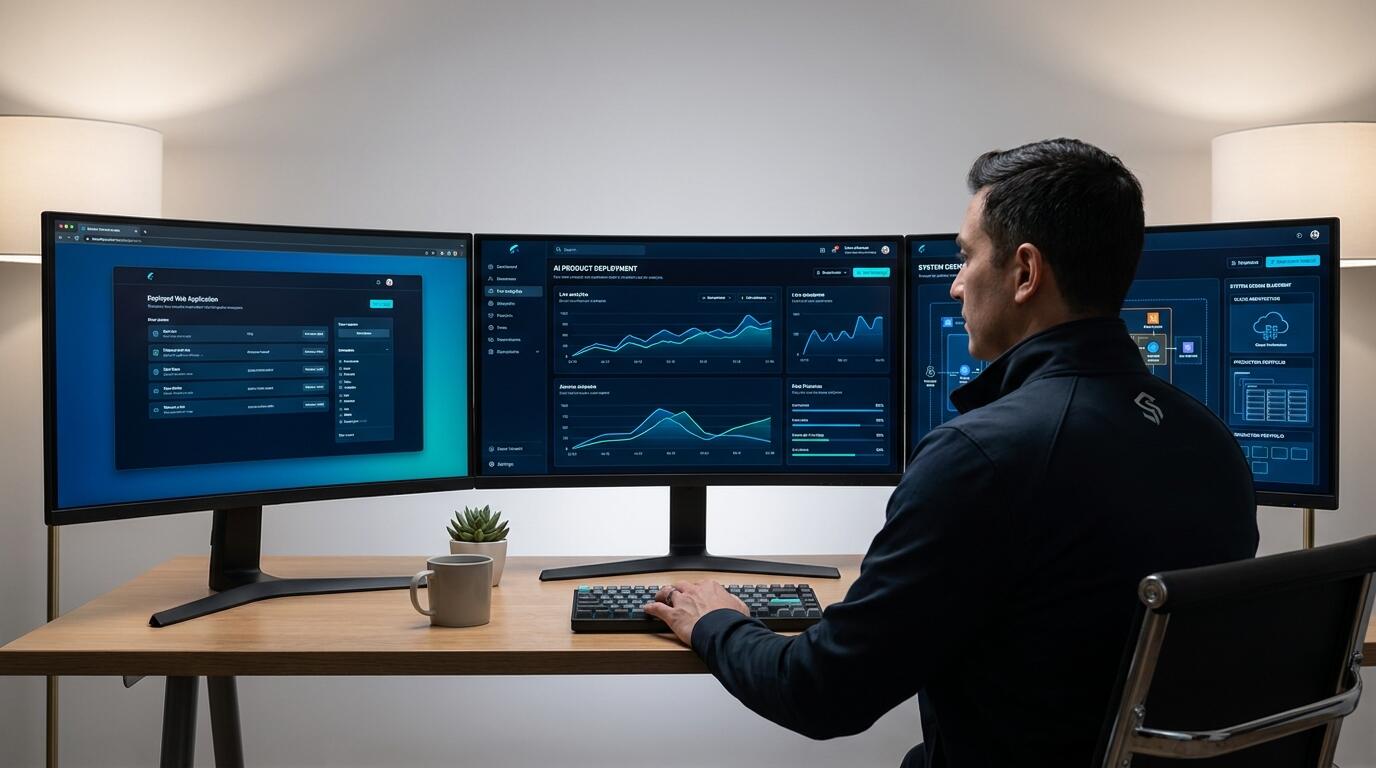
- 2026-08-12 Best Frameworks for Prioritizing Your Product Roadmap This Quarter This guide covers 7 proven product roadmap prioritization frameworks (RICE, MoSCoW, Opportunity Scoring, WSJF, Value vs. Effort, Kano, Now/Next/Later) for CTOs, founders, and engineering managers. Key takeaway: use multiple frameworks situationally, not one universally, to build defensible, stakeholder-aligned roadmap decisions. Read →
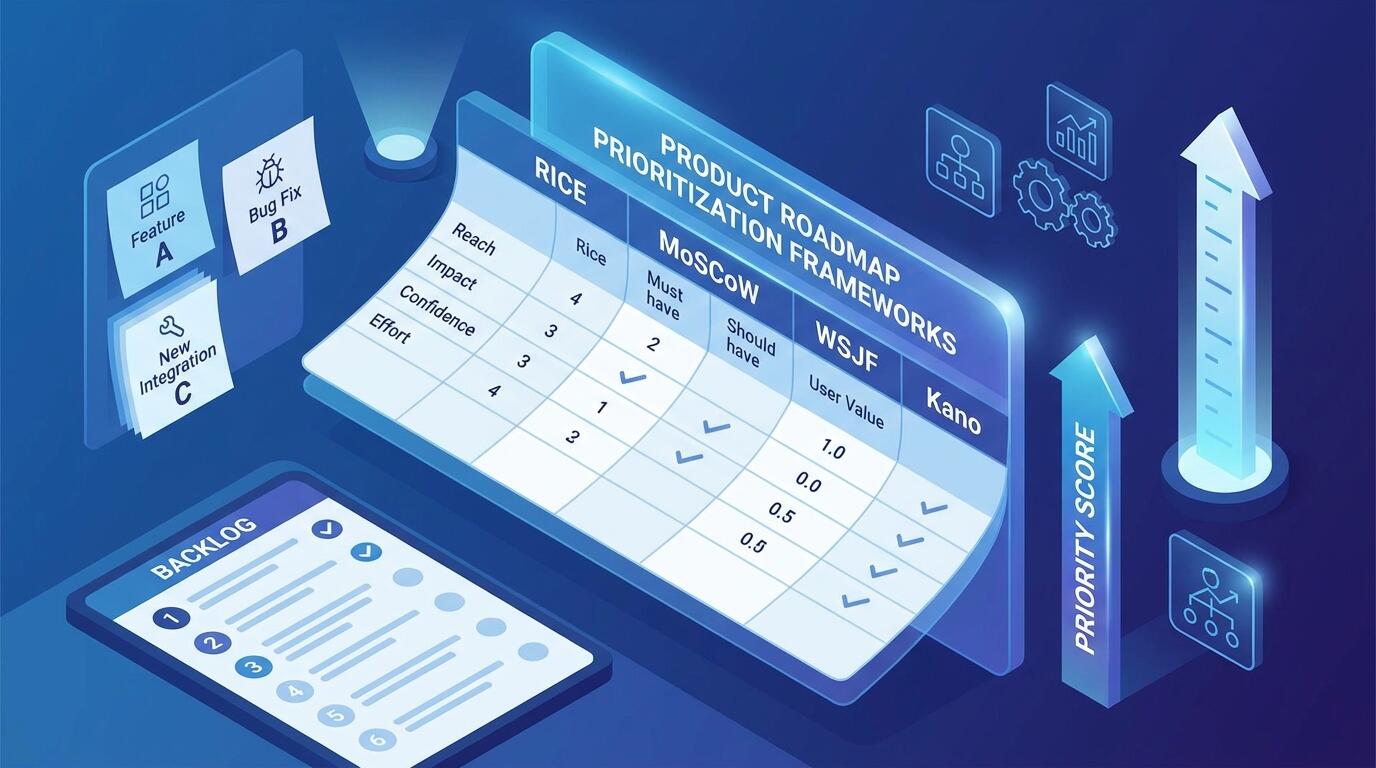
- 2026-08-12 Custom Software vs. Off-the-Shelf Platforms: A Founder's Decision Checklist This article guides founders and engineering leaders through the custom software vs. off-the-shelf platform decision using five practical criteria: cost, speed, scalability, differentiation, and TCO. Key takeaway: hybrid architectures win — use platforms for commodity functions, custom builds for core differentiators. Avoid prestige-driven over-engineering pre-PMF. Read →
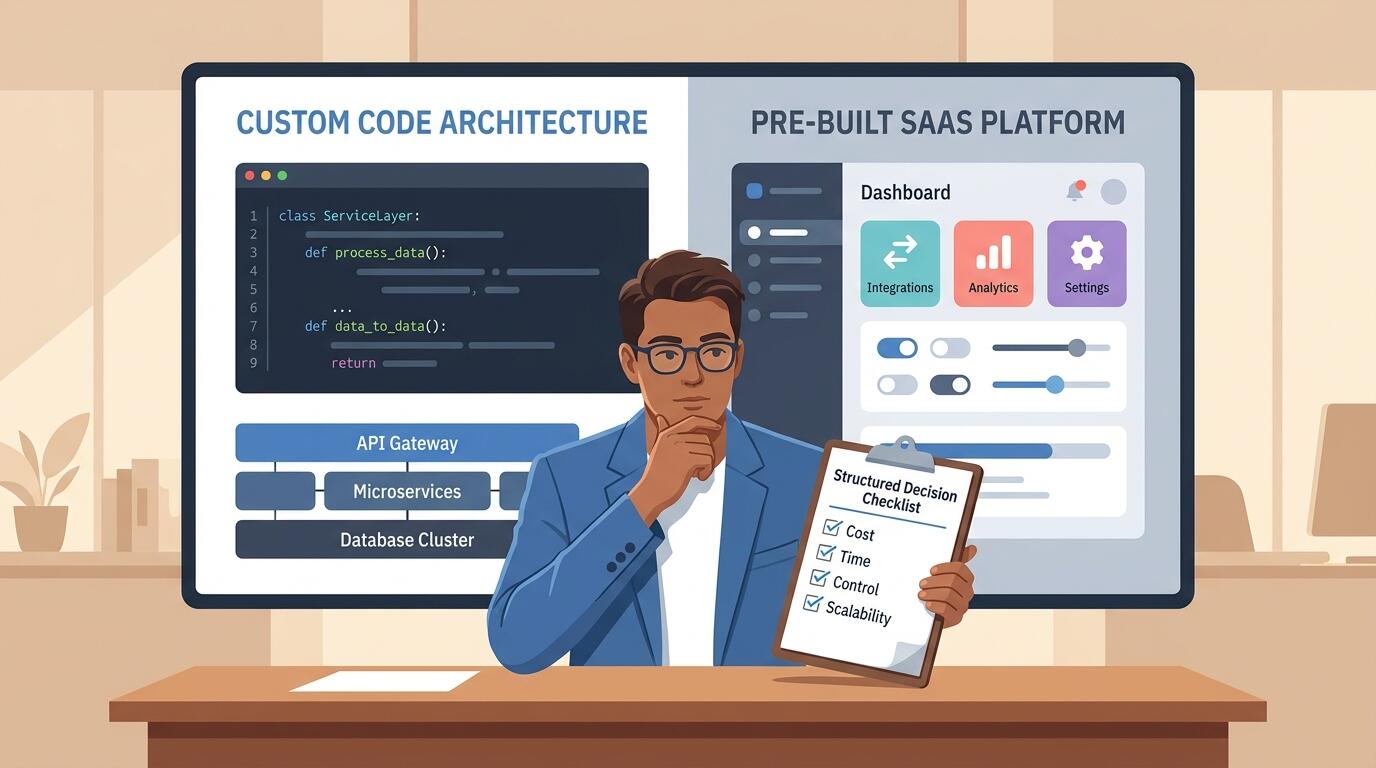
- 2026-08-12 Microservices Architecture Best Practices for Production Systems in 2026 A comprehensive 2026 guide to production-grade microservices architecture best practices, targeting software engineers and CTOs. Covers 8 core practices—service boundaries, API contracts, resilience patterns, observability, database ownership, CI/CD, security, and config management—with real-world trade-offs, a comparison table, and actionable prioritization advice. Read →
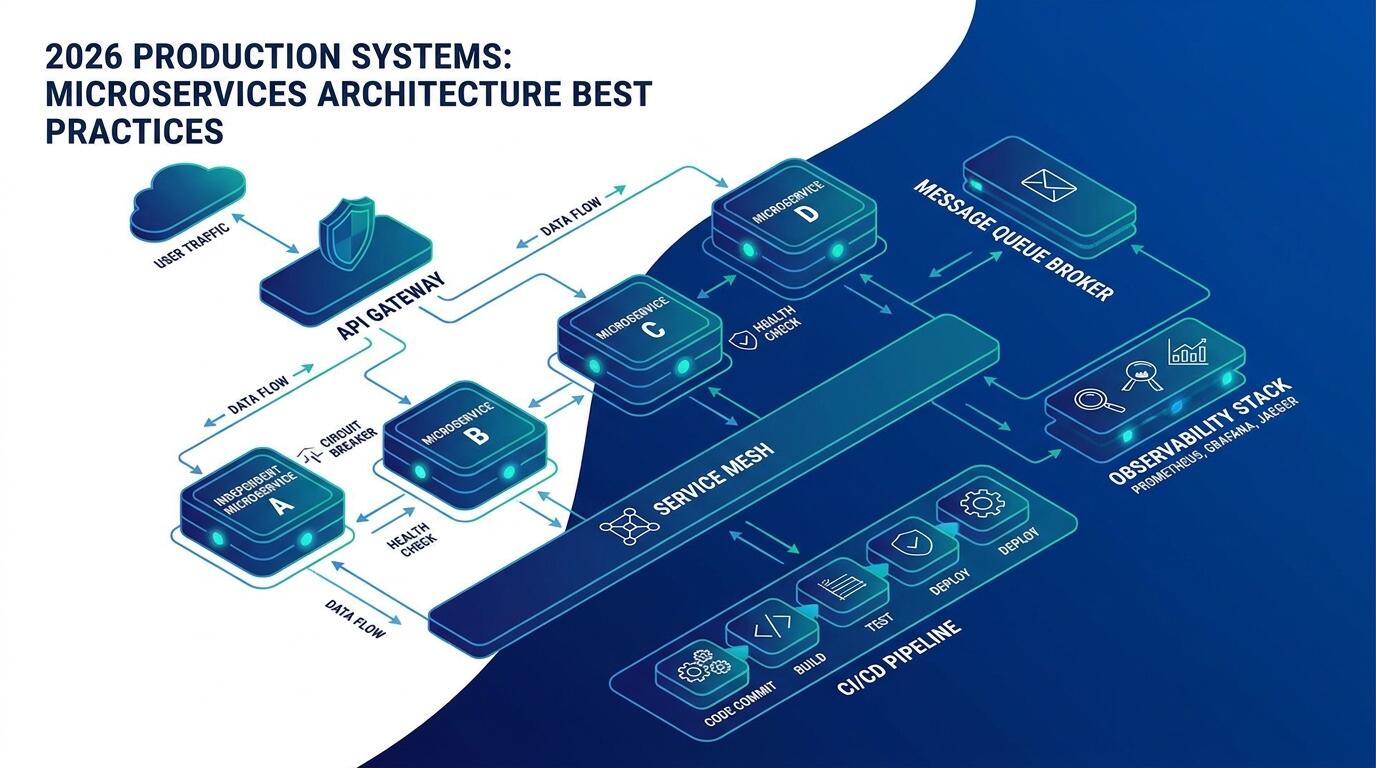
- 2026-08-12 Keeping a Live Product Healthy After Launch: A Monitoring Checklist A practical post-launch monitoring checklist for engineering teams covering 8 categories: infrastructure availability, API latency, error tracking, AI model drift, cost efficiency, security, UX flows, and third-party dependencies. Targets engineers and product managers running live AI-powered or API-first products. Key takeaway: monitoring is an ongoing discipline—not a one-time setup—and connecting infrastructure signals to business outcomes prevents incidents rather than just reacting to them. Read →

- 2026-08-11 Async Communication Frameworks That Keep Remote Engineering Teams Aligned This article compares three async communication frameworks — documentation-first (RFC/ADR), async video tools, and task-centric PM systems — for remote engineering teams. It helps technical leaders reduce meeting load and preserve institutional knowledge by choosing the right layered approach based on team size and decision type. Read →
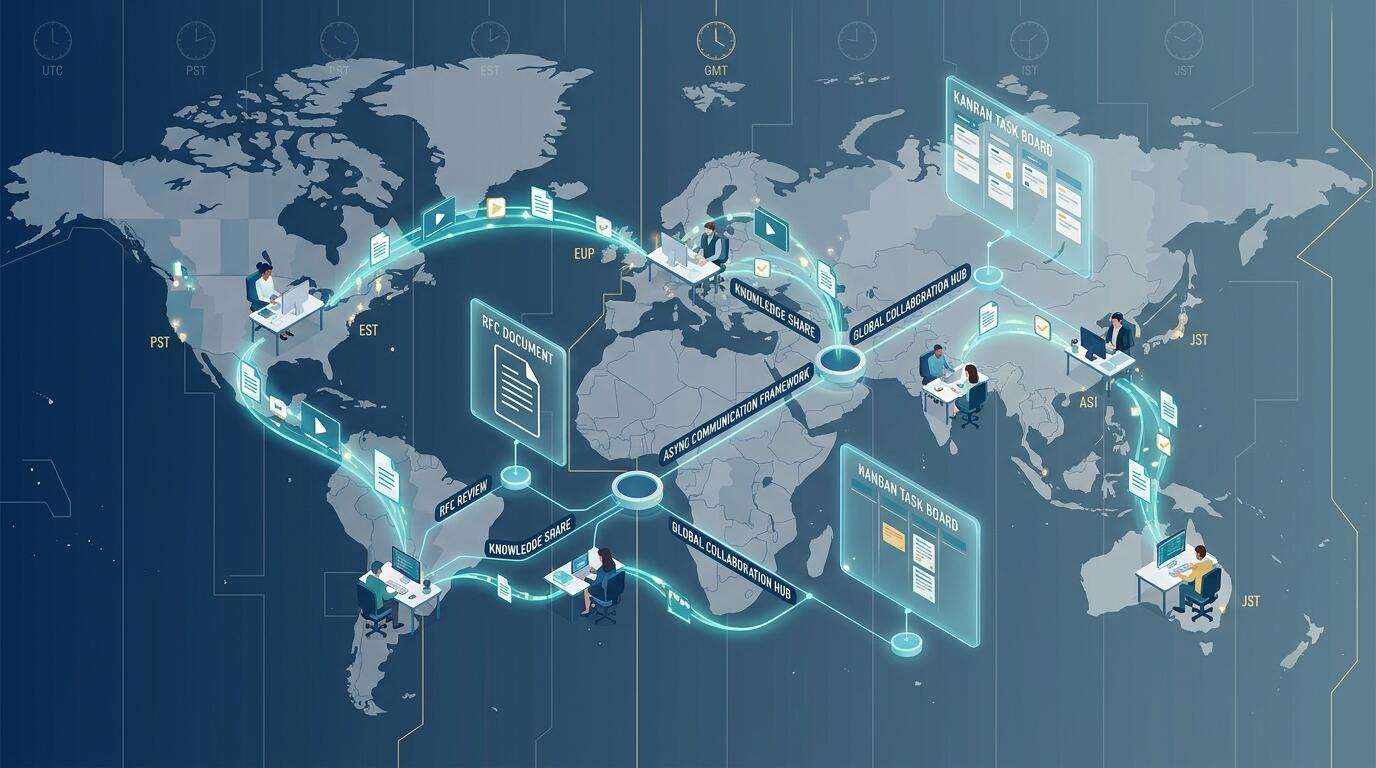
- 2026-08-11 Setting Technical Direction Across Time Zones: A Practical Playbook This article guides startup CTOs and engineering directors on maintaining technical alignment in distributed, multi-time-zone teams. It argues that async-native processes, written architectural decisions, and clear autonomy boundaries outperform synchronous-heavy approaches. Key takeaways: document reasoning not just conclusions, define decision boundaries early, and treat async communication as a first-class engineering discipline. Read →

- 2026-08-10 Implementing AI Governance Frameworks Without Slowing Down Delivery This article teaches engineering teams and founders how to implement AI governance frameworks without slowing product delivery. It offers 8 practical, risk-proportional strategies — from tiered governance and embedded checkpoints to model cards and runbooks — with clear ROI arguments. Key takeaway: governance built in from day one is faster and cheaper than retrofitting it after incidents or regulatory pressure. Read →
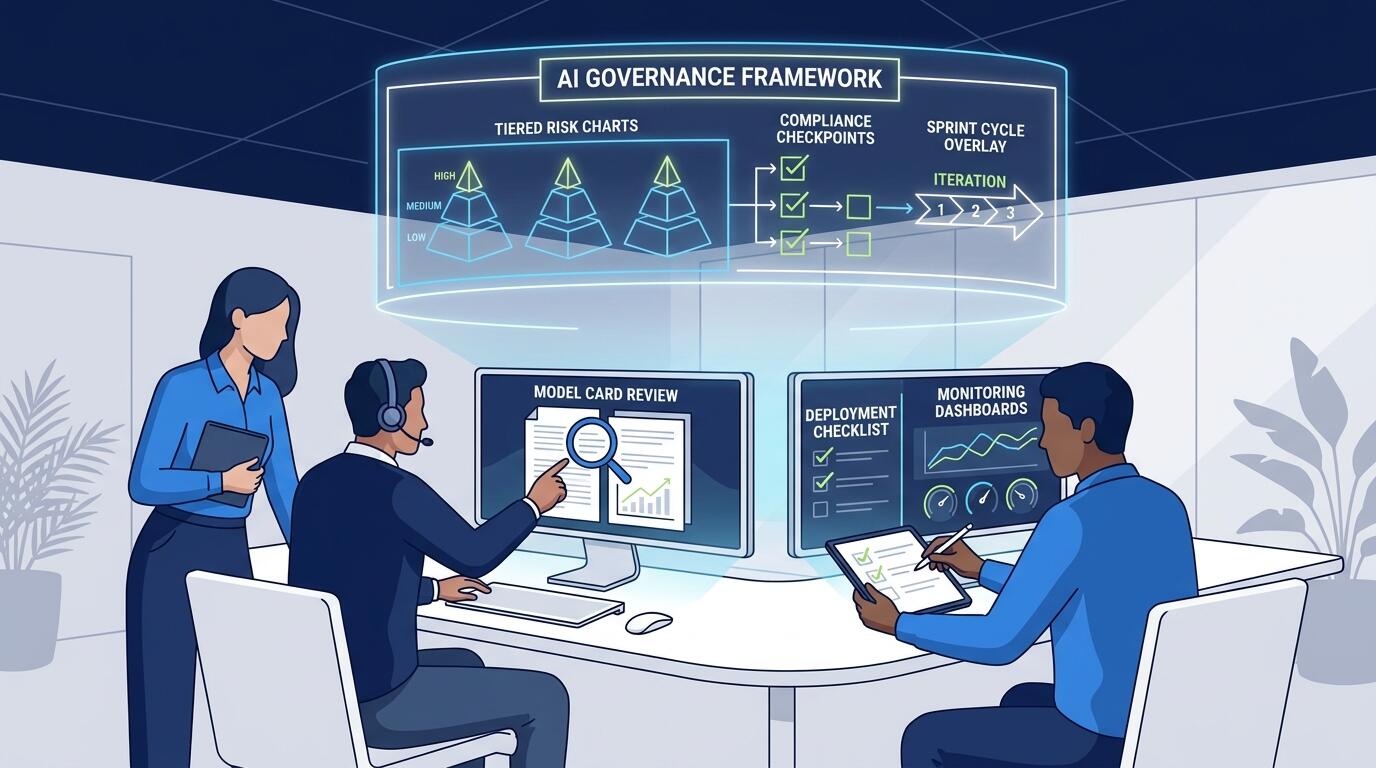
- 2026-08-10 GPU Utilization Strategies for Teams Running Production AI Workloads This article compares three GPU utilization strategies — static allocation, dynamic batching, and multi-tenant sharing — for production AI teams. It targets engineers and CTOs seeking cost-efficient, scalable inference infrastructure. Key takeaway: dynamic batching is the best first optimization; multi-tenant sharing suits mature platform teams only. Read →

No posts yet