Blog
Notes from turning ideas into live, running products — AI products, cloud storage, SEO and full-stack practice. The brief is short and frequent; this is long and occasional.
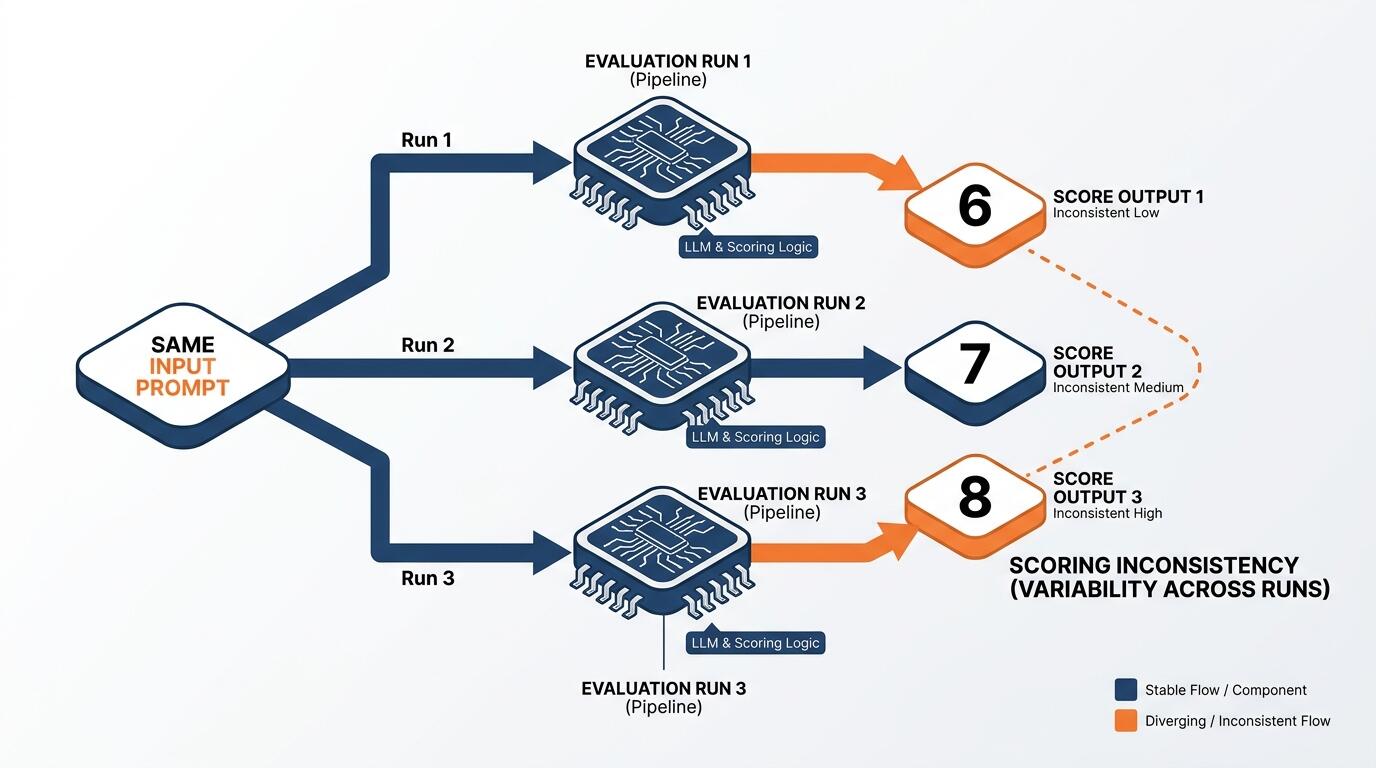
- 2026-08-10 Why Do LLM Evaluations Give Different Scores for the Same Input? This article explains why LLM evaluation scores are inherently unstable due to temperature stochasticity, prompt sensitivity, positional bias, and judge calibration issues. Targeting AI engineers and CTOs, it argues that treating scores as statistical estimates — not precise measurements — is essential. Key fixes: ensemble judging, fixed-temperature regression tests, and dimension-specific rubrics. Read →
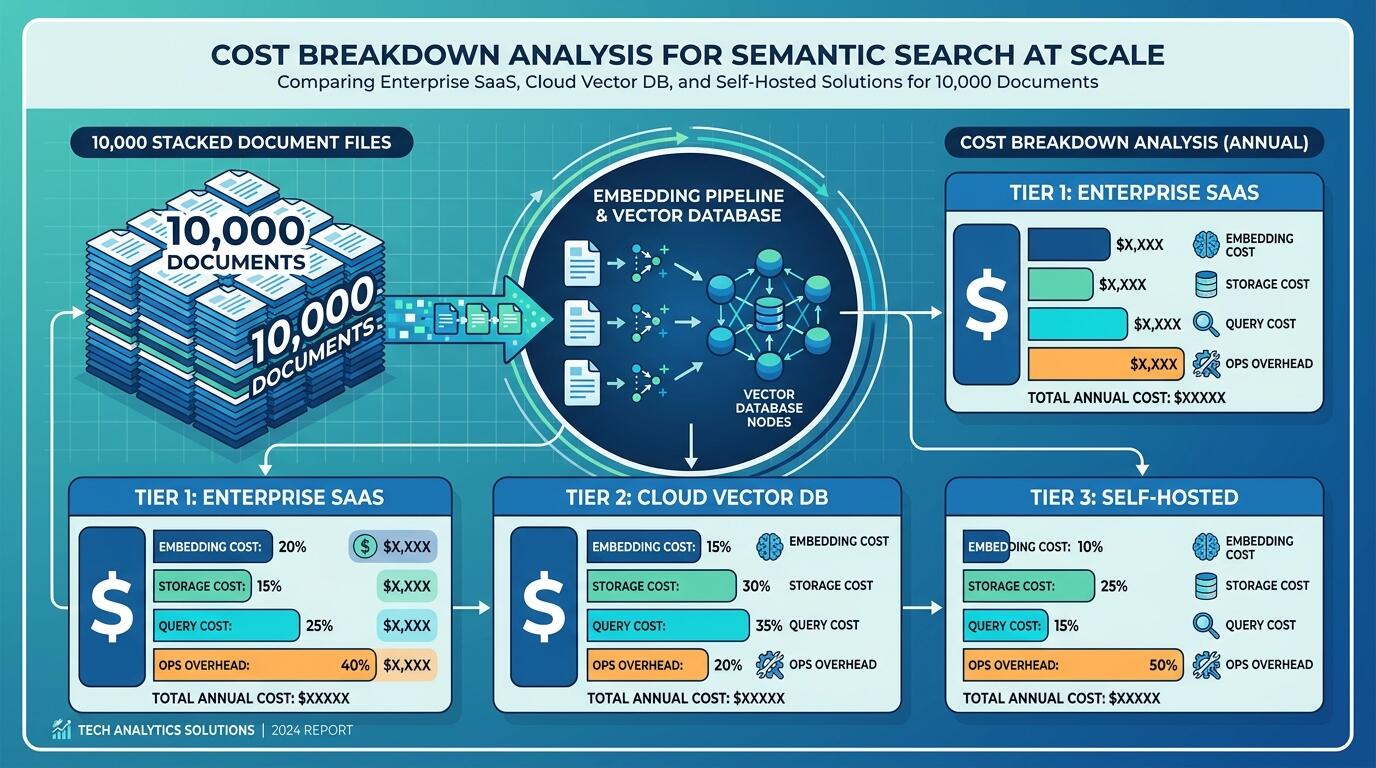
- 2026-08-09 How Much Does It Cost to Make 10,000 Files Semantically Searchable? This article compares three semantic search architectures for 10,000 files — enterprise SaaS, cloud vector DB with API embeddings, and self-hosted open-source — across cost, overhead, and compliance. Targeting founders and CTOs, it delivers actionable scenario-based recommendations and cost-curve insights to guide defensible infrastructure decisions. Read →
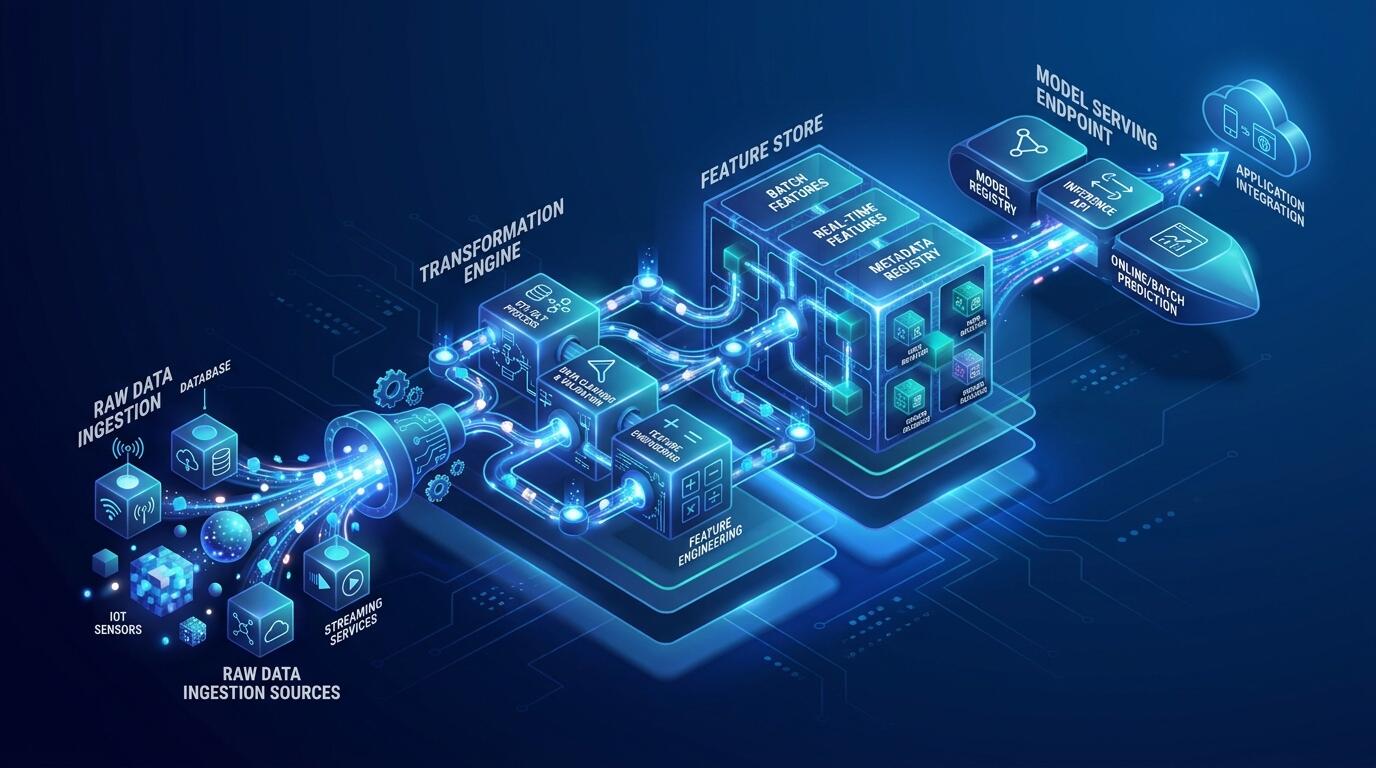
- 2026-08-09 Data Pipeline Architecture Decisions for AI Applications in Production This article explains why production AI data pipeline architecture — covering ingestion patterns, schema contracts, feature stores, and observability — is the critical factor determining whether AI projects ship successfully. Targeting AI engineers and technical leads, it provides actionable trade-off analysis across batch, streaming, lambda, and kappa architectures, and argues that deliberate early decisions prevent costly post-launch failures. Read →
- 2026-08-09 How to Hire Machine Learning Engineers in a Competitive 2026 Talent Market A comprehensive 2026 guide for CTOs, founders, and engineering leaders on how to hire machine learning engineers in a competitive talent market. Covers 7 actionable steps from role definition to structured onboarding, with a troubleshooting table, pro tips, and FAQ. Key takeaway: hiring success depends on role specificity, production-focused evaluation design, and fast, transparent candidate communication. Read →

- 2026-08-09 5 Mistakes Founders Make When Evaluating AI Development Tools This Quarter This article targets early-stage founders building AI-powered products, outlining five critical mistakes in AI development tool evaluation: prioritizing demos over production behavior, ignoring total cost of ownership, underestimating vendor lock-in, evaluating tools in isolation, and favoring capability breadth over problem fit. Each mistake is paired with a practical corrective action and a decision framework to guide smarter architectural choices. Read →

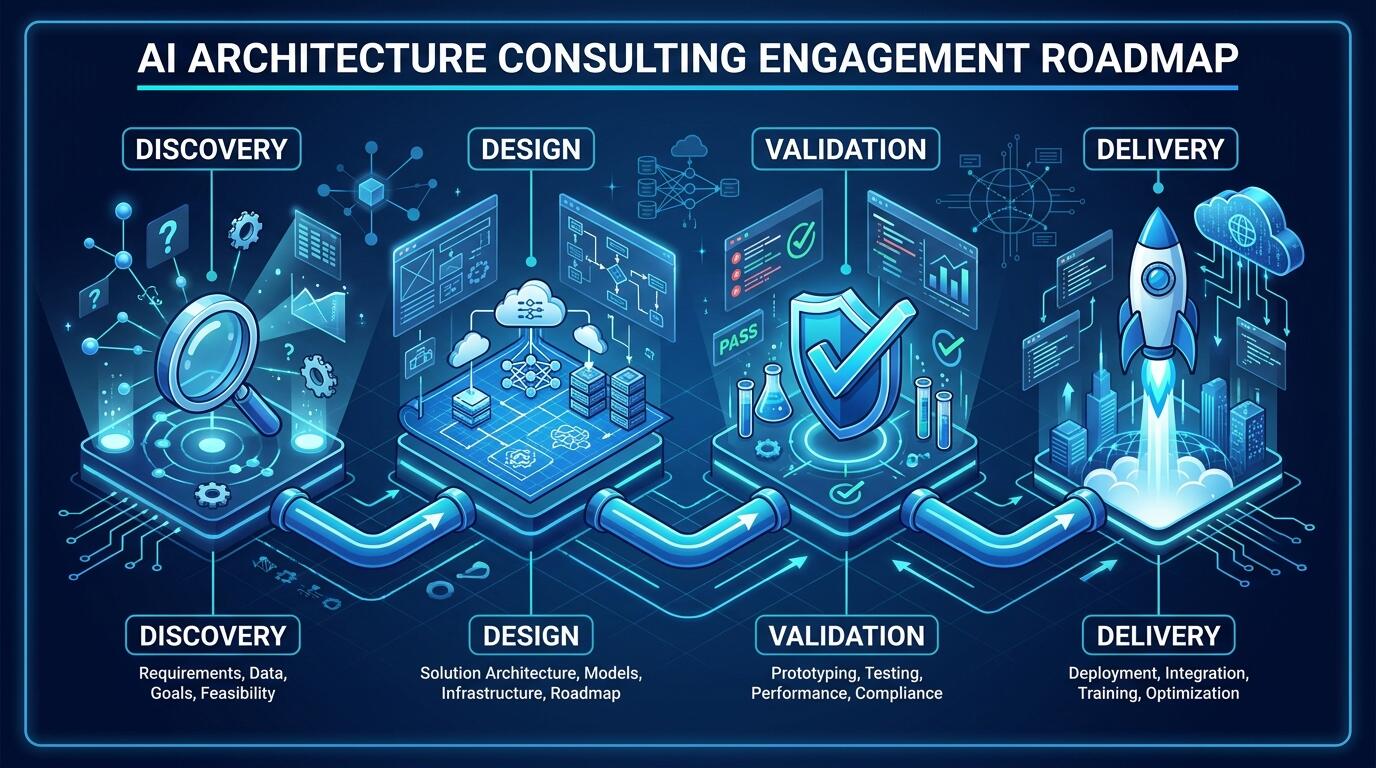
- 2026-08-07 What to Expect from an AI Architecture Consulting Engagement in 2026 This article compares three AI architecture consulting models — structured end-to-end, advisory retainer, and project-based sprint — for founders and CTOs. It argues structured engagements deliver superior accountability, production speed, and knowledge transfer. Key takeaway: match the model to your team's capacity and prioritize discovery phases to avoid costly architectural mistakes. Read →
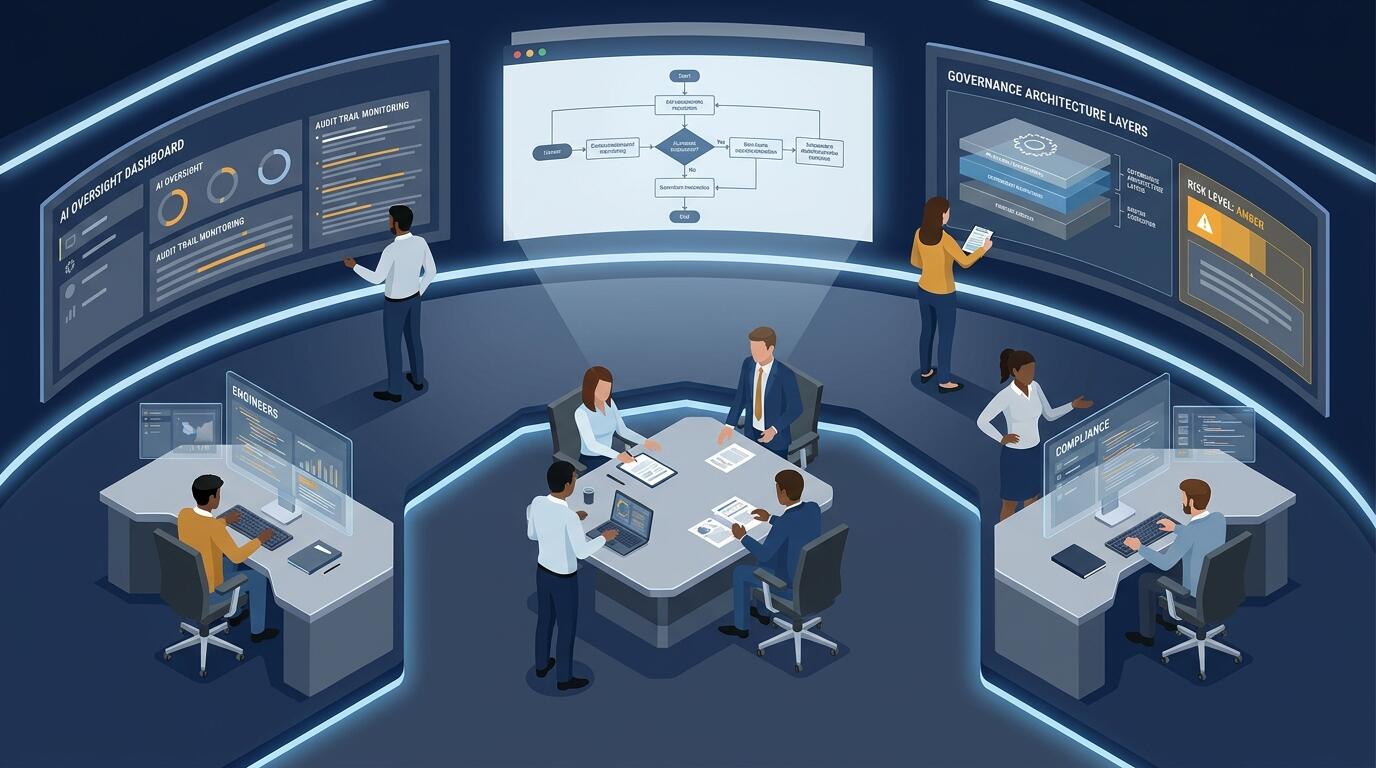
- 2026-08-07 How Enterprise Teams Are Governing AI Systems Heading Into 2027 A comprehensive 2027 enterprise AI governance guide for engineering leaders and CTOs. Covers risk-tier frameworks, model observability, audit architecture, and governance models (centralized/federated/embedded). Key takeaway: governance must be built into engineering workflows—not bolted on—before scale makes it impractical. Read →
- 2026-08-06 Build vs. Buy for AI Infrastructure: A Founder's Decision Framework for Q3 2026 This article guides founders and CTOs on the 2026 build-vs-buy decision for AI infrastructure, arguing it's a strategic sequencing problem, not a binary choice. Key takeaway: pre-PMF teams should buy managed APIs; post-PMF teams with AI as core IP should shift to custom or hybrid builds. Data control is the most underweighted criterion. Read →

- 2026-08-06 Choosing an AI Architecture Partner: Questions Founders Should Ask First A strategic guide for founders and CTOs on selecting the right AI architecture partner. Core argument: the differentiator is end-to-end ownership, full-stack fluency, and systems design depth — not model knowledge alone. Key takeaways: ask for production evidence, probe tradeoffs, and factor in regulatory readiness from day one. Read →

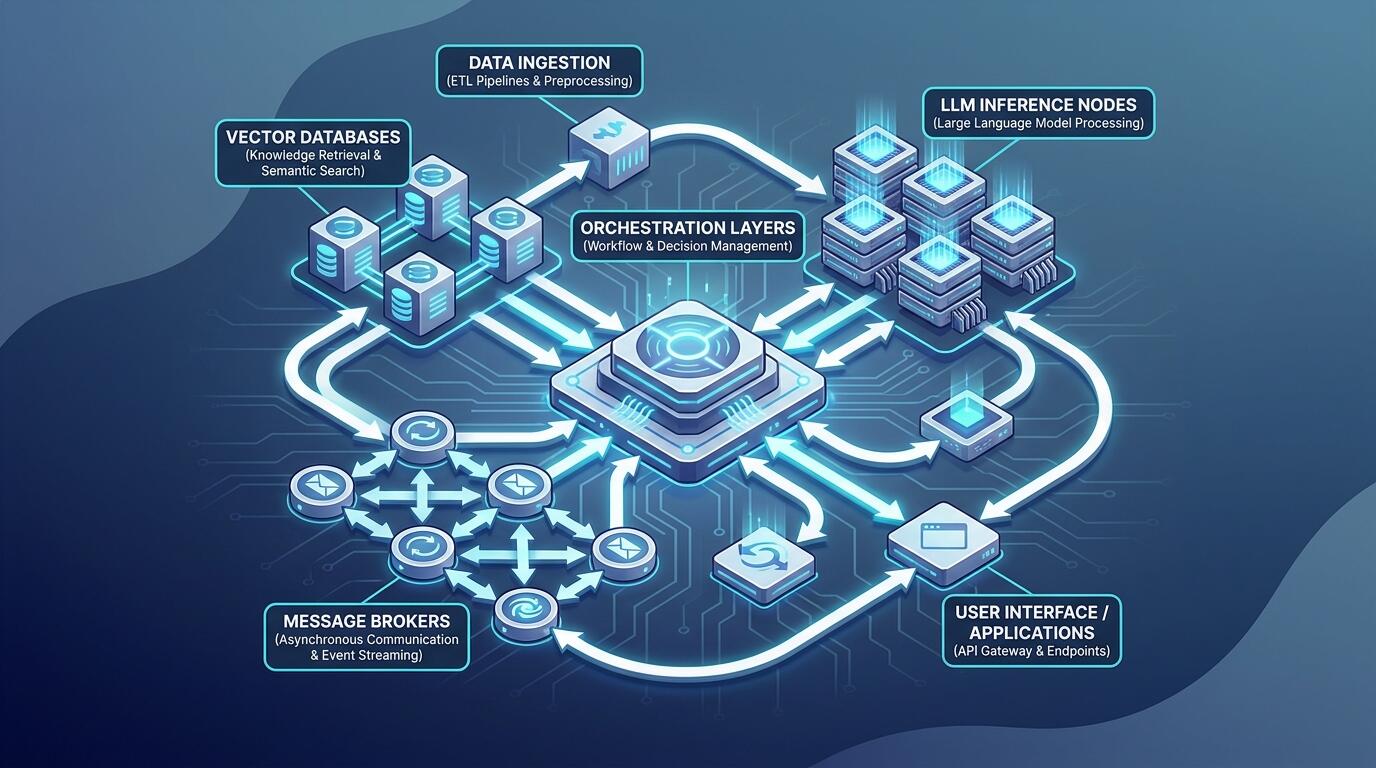
- 2026-08-05 AI System Architecture Patterns Every CTO Should Evaluate This Quarter This article guides CTOs, engineering leads, and AI product teams through selecting the right AI system architecture pattern — RAG pipeline, event-driven, agentic orchestration, or modular monolith. Core argument: architecture decisions outweigh model selection in long-term product success. Key takeaway: match pattern to failure mode, team capacity, and scalability needs. Read →
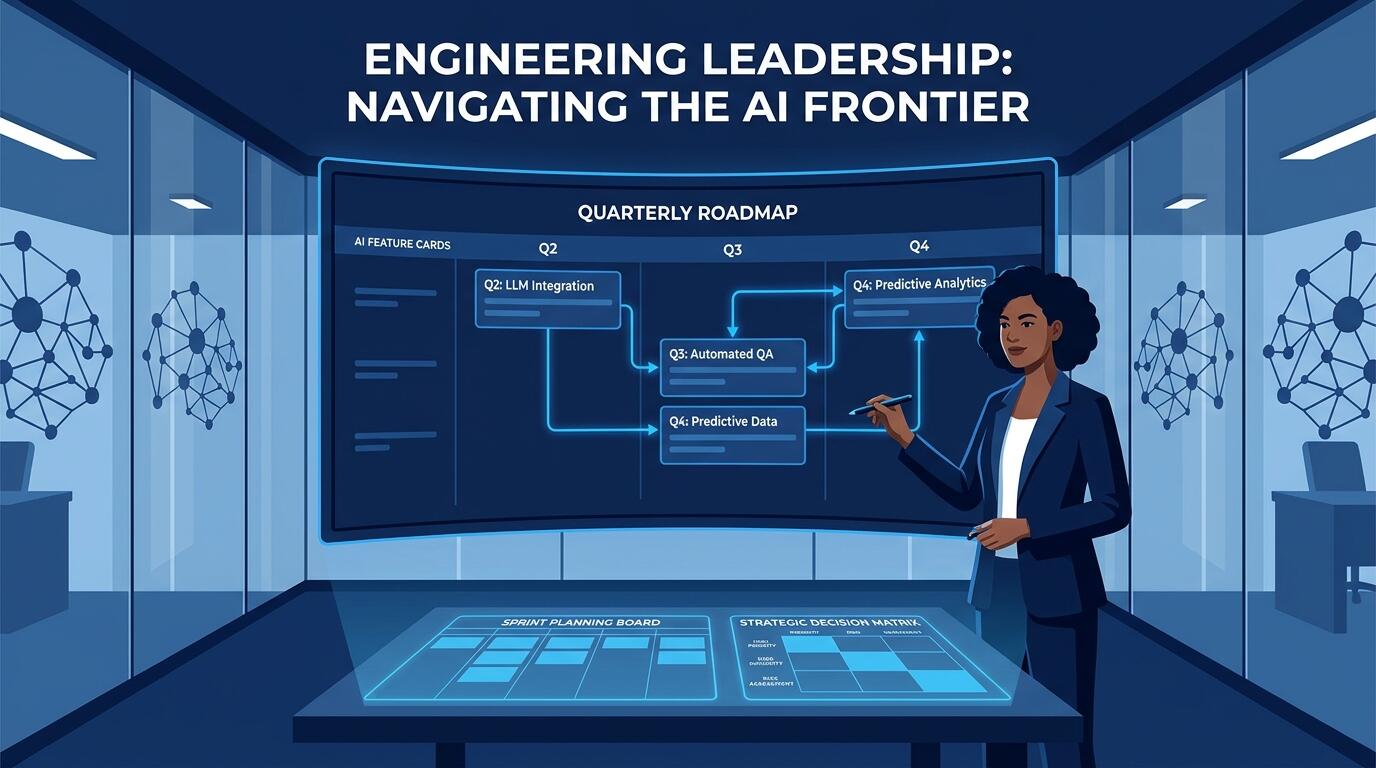
- 2026-08-04 Prioritizing AI Features: An Engineering Leader's Framework for This Quarter This article presents a practitioner framework for engineering leaders on how to prioritize AI features in quarterly roadmaps. It argues that sequencing, evaluation strategy, and shared infrastructure matter more than raw capability. Key takeaways: define evaluation criteria before roadmap entry, surface architectural dependencies as first-class items, and use a hybrid scoring model. Read →
- 2026-08-04 How to Build an AI Product Roadmap That Engineering Can Actually Execute A practical, step-by-step guide on building executable AI product roadmaps for startup CTOs, PMs, and engineering leaders. It argues that roadmap failure stems from poor translation between vision and technical constraints — not lack of ambition. Key takeaways: sequence work by data dependencies, define a minimal intelligent system, build evaluation infrastructure early, and use time-boxed experiments. Read →

- 2026-08-04 The Full-Stack Developer's Tech Stack for Building AI-Powered Apps in 2026 A comprehensive 2026 guide to production-ready full-stack AI tech stacks, targeting founders, CTOs, and engineering leads. Argues that architecture choices — observability, RAG retrieval, streaming UX — matter more than model selection. Key takeaway: use abstracted LLM layers, LangChain for complex workflows, pgvector or Pinecone for retrieval, and ship a thin vertical slice early. Read →

- 2026-08-04 How to Use AI Coding Assistants Without Letting Them Slow You Down A practical guide for CTOs and engineering leads on integrating AI coding assistants without sacrificing productivity. Core argument: disciplined workflow structure — clear task boundaries, context management, AI-specific code review, and long-tail application — matters more than tool choice. Key takeaway: AI amplifies judgment; passive adoption creates hidden drag. Read →

- 2026-08-04 Why Shipping Beats Planning: A Developer's Guide to Bias for Action This guide argues that shipping working software to real users beats extended planning cycles for founders, CTOs, and engineering leads. It delivers a 7-step framework — from scoping the smallest value slice to building a consistent shipping rhythm — backed by Amazon's Bias for Action principle, practical checklists, a mistake-diagnosis table, and an FAQ. Key takeaway: speed of learning, not speed of announcement, drives better product outcomes. Read →

No posts yet