Blog
Notes from turning ideas into live, running products — AI products, cloud storage, SEO and full-stack practice. The brief is short and frequent; this is long and occasional.
- 2026-06-27 From Prompt to Pipeline: Structuring Reliable AI Automation This article addresses why AI automation pipelines fail in production and presents a three-layer framework (contract, orchestration, observability) for engineering teams and technical leads. It offers actionable architectural guidance for moving from prototype to reliable production systems, emphasizing systems design over model sophistication. Read →

- 2026-06-27 How a Startup Can Implement AI Architecture Without a Full AI Team This guide argues startups can ship production-grade AI solutions without a full AI team by leveraging foundation models, managed services, and strategic AI architecture consulting. Targeting early-stage technical founders and PMs, it delivers a 3-step playbook, implementation comparison table, and FAQ. Key takeaway: architectural clarity and replaceability beat raw headcount. Read →
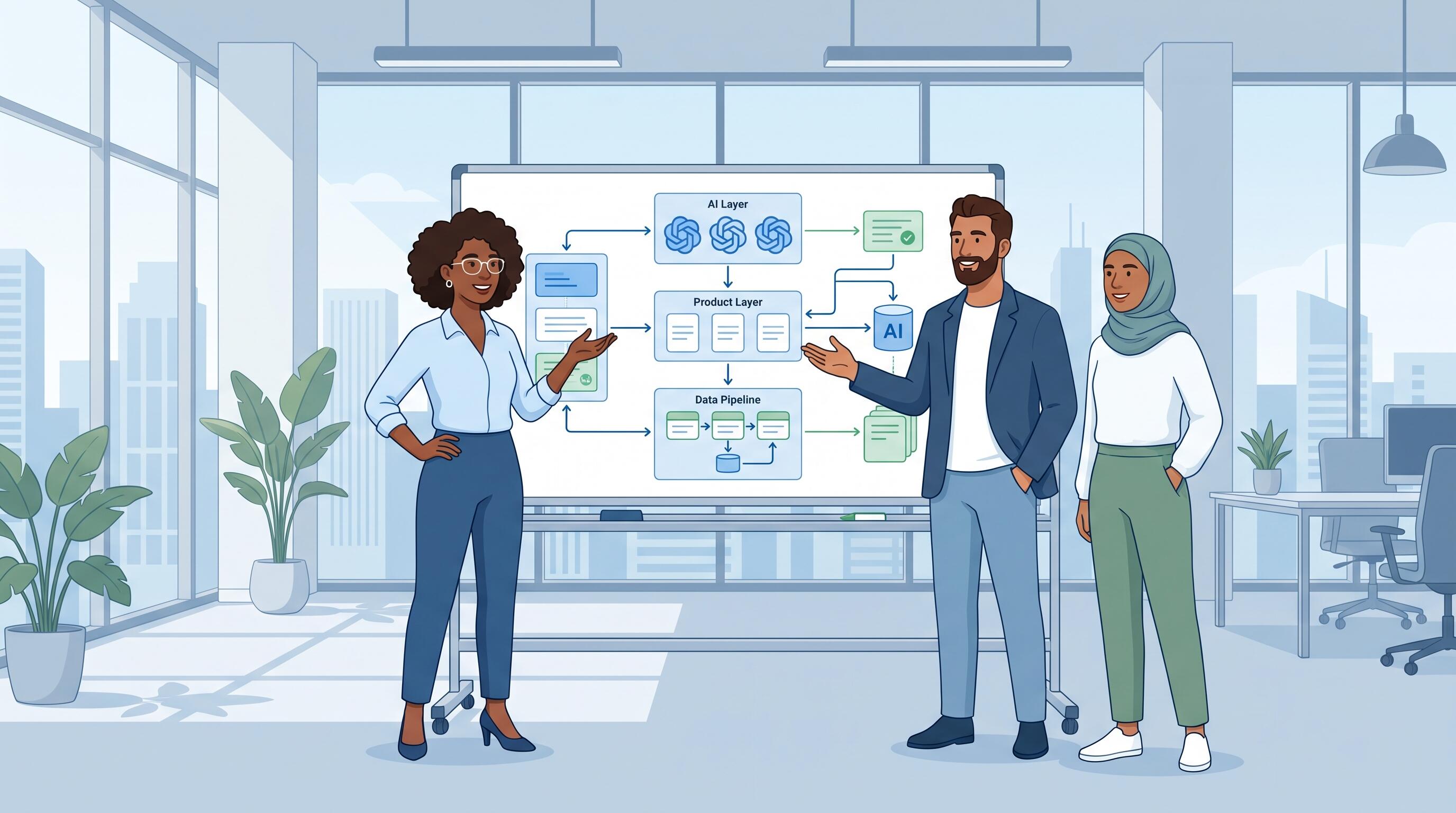
- 2026-06-27 How to Validate a Technical Idea Before Writing a Single Line of Code This guide argues that pre-code technical validation — via assumption mapping, paper architecture review, and targeted spikes — is the highest-leverage activity for founders, PMs, and engineering leaders. It provides a 3-step framework to surface hidden risks before building, preventing costly architectural failures in scalable AI systems. Read →
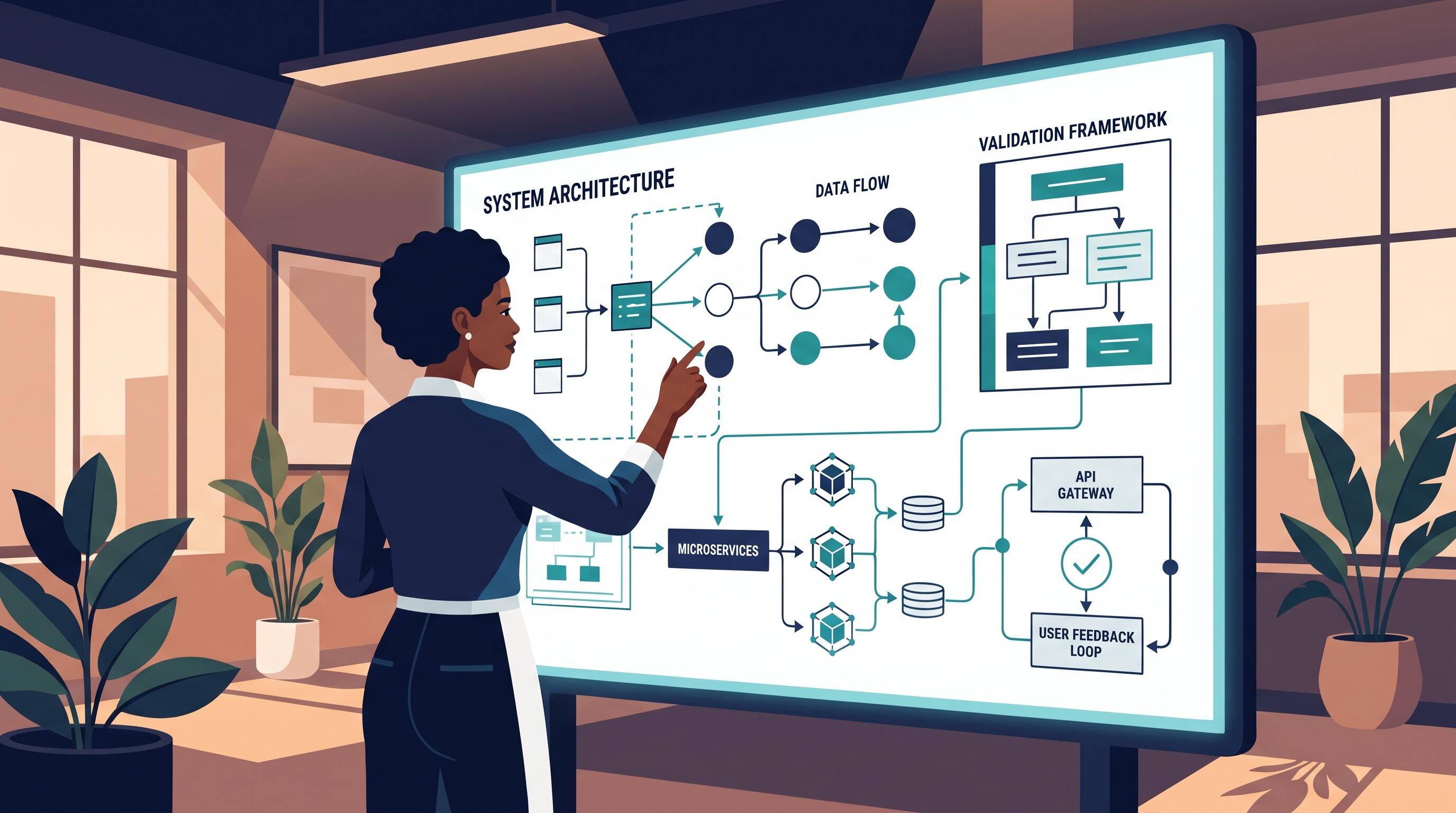
- 2026-06-25 Academic Wellness in Q2 2026: How to Balance Studies, Work, and Life A practical Q2 2026 academic wellness guide targeting undergraduate and postgraduate students facing mid-semester burnout. Core argument: smart tool integration (AI writing assistants, citation generators, plagiarism checkers) combined with structured scheduling maximizes academic output without sacrificing mental health. Key takeaways: audit commitments, tier assignments by stakes, and eliminate workflow friction with purpose-built tools like Verla. Read →

- 2026-06-25 How to Build an Agentic Workflow That Actually Ships to Production A production engineering guide on building reliable agentic AI workflows, targeting engineers and tech leads. Core argument: shipping AI agents demands software engineering rigor—scoped tools, observability, cost controls, and progressive deployment—not just prompt tuning. Key takeaways: narrow scope first, instrument before optimizing, deploy conservatively with human-in-the-loop checkpoints. Read →
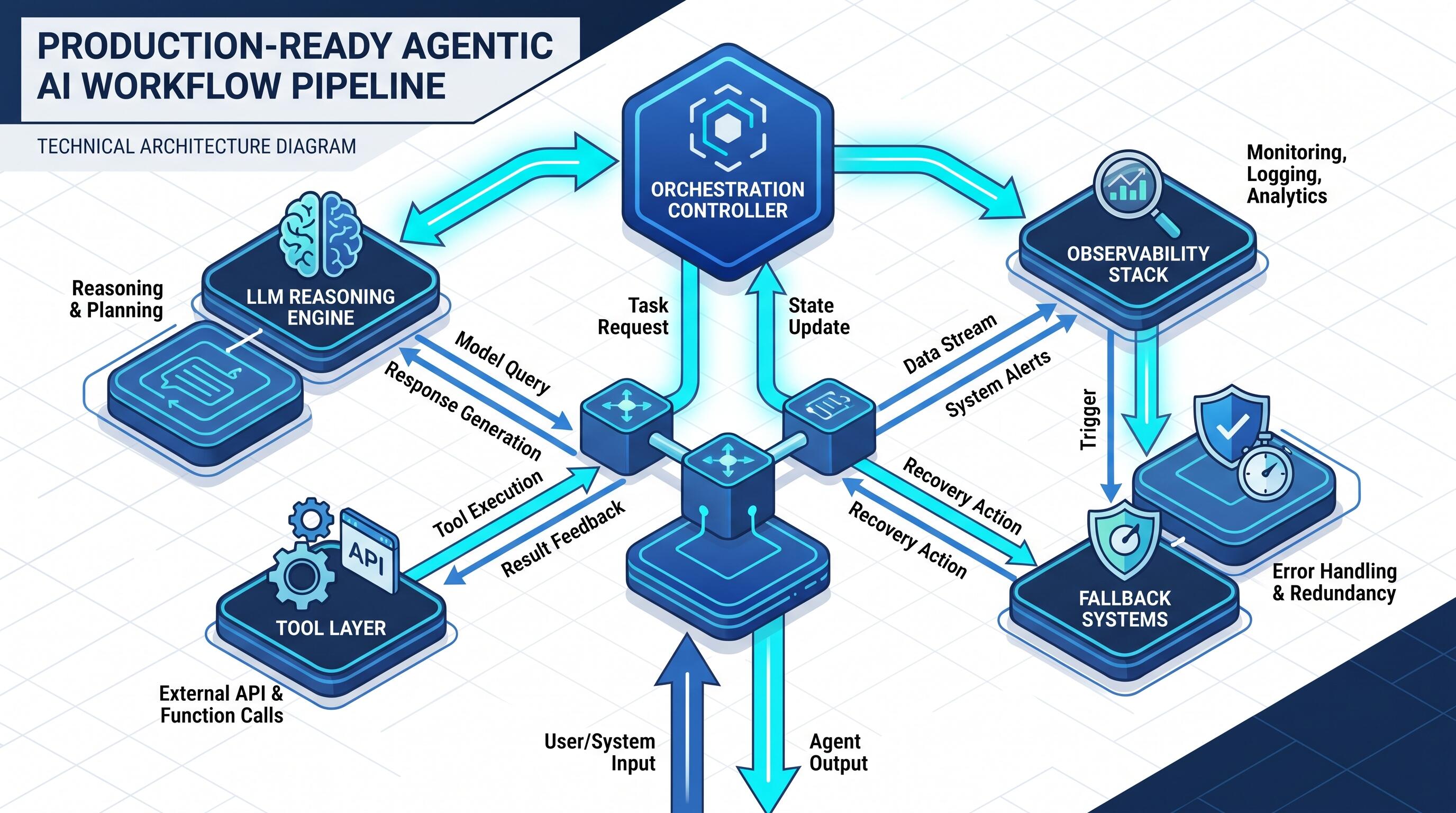
- 2026-06-25 AI Agents Are Reshaping How Chinese Startups Compete — 5 Key Trends SME Leaders Can't Ignore This guide explains how Chinese startups and SMEs can strategically adopt AI tools, distinguish autonomous AI agents from basic software, and evaluate platforms like Google AI. Targeting SME founders and operators, it delivers a practical decision framework, regulatory awareness (PIPL), and a phased adoption roadmap — concluding that disciplined, use-case-first adoption outperforms trend-chasing. Read →
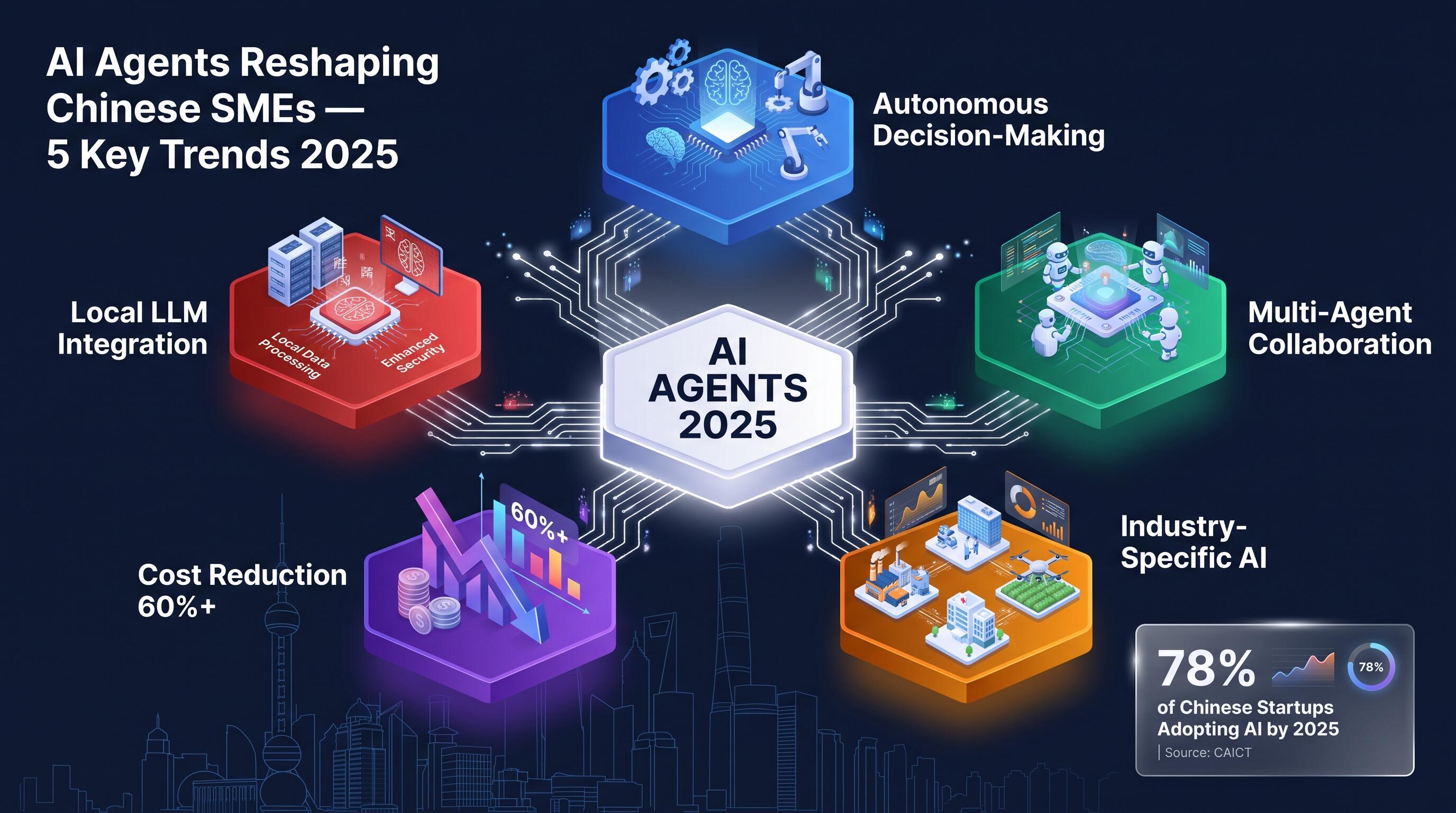
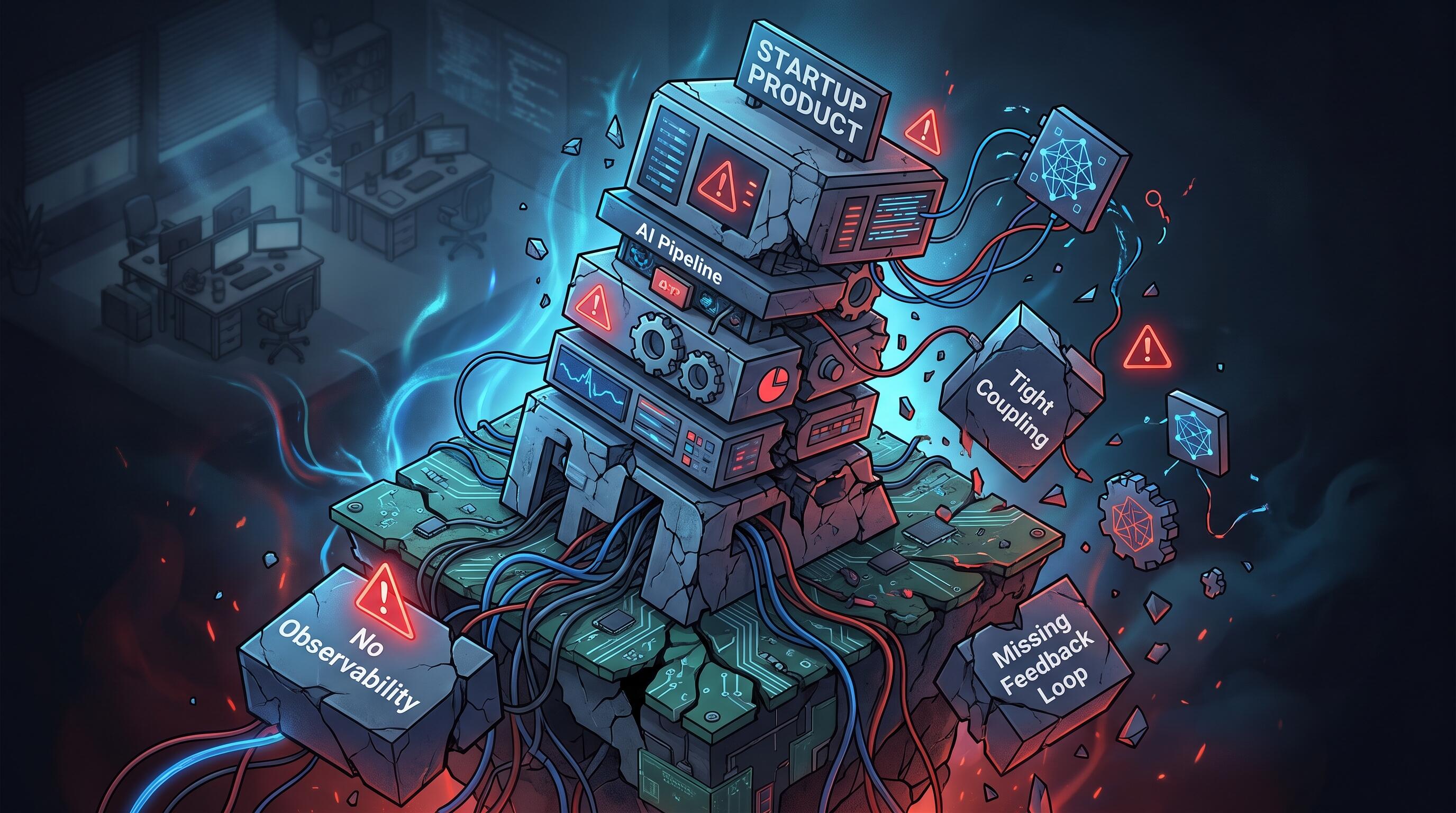
- 2026-06-25 Common AI Architecture Mistakes That Kill Startup Products This article identifies 7 critical AI architecture mistakes that cause startup products to fail, covering black-box models, over-engineering, missing feedback loops, and latency blindness. Targeting founders, product managers, and engineering leads, it delivers actionable audits and a comparison framework. Key takeaway: observability, separation of concerns, and architectural discipline are non-negotiable for production-ready AI products. Read →
- 2026-06-25 How to Use AI Coding Assistants Without Letting Them Slow You Down This guide teaches senior engineers, tech leads, and CTOs how to use AI coding assistants (Copilot, Cursor, ChatGPT) productively without eroding code quality. Core arguments: anchor AI to architecture, review AI code like a PR, and establish team-wide norms. Key takeaway: deliberate, disciplined AI usage compounds velocity; undisciplined usage creates hidden technical debt. Read →

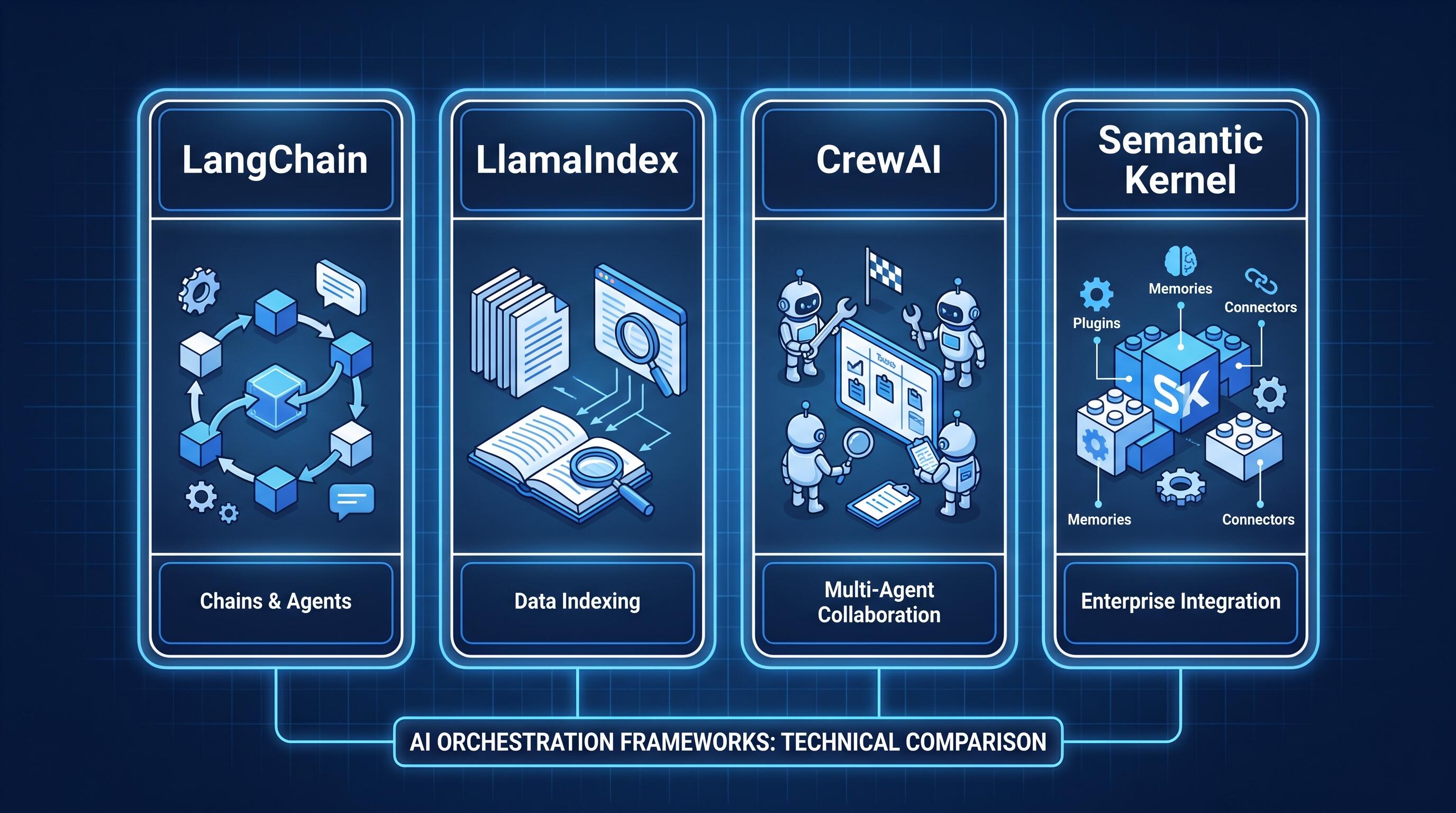
- 2026-06-25 AI Orchestration Frameworks Compared: Which One to Use in Q2 2026 A comprehensive 2026 guide comparing AI orchestration frameworks (LangChain/LangGraph, LlamaIndex, CrewAI, Semantic Kernel) for engineering leaders. Core argument: framework selection is a strategic architectural decision, not a dev preference. Key takeaway: match framework to dominant complexity — retrieval, multi-agent, or enterprise integration — and prioritize production observability over ecosystem size. Read →
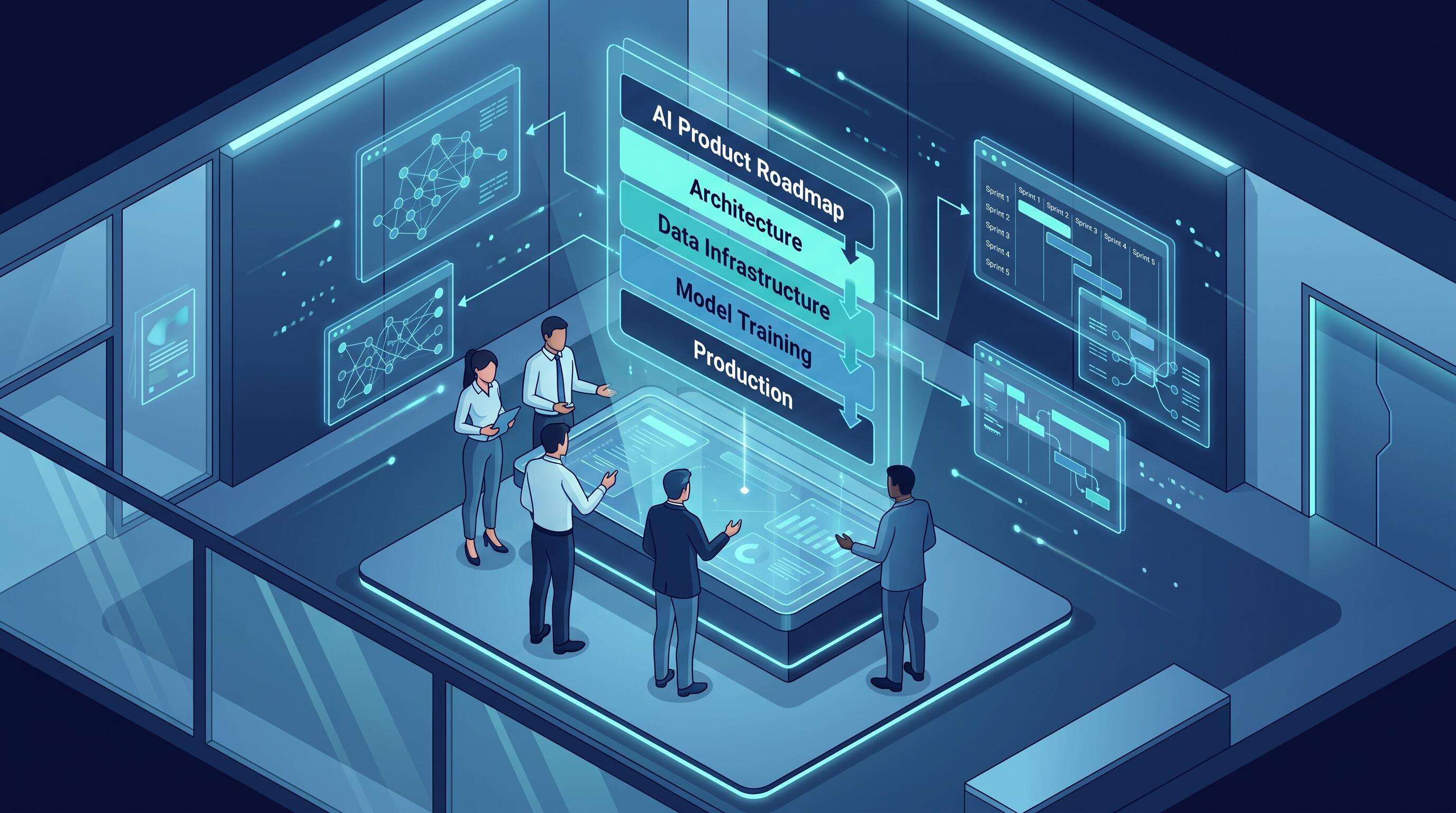
- 2026-06-25 How to Build an AI Product Roadmap That Engineering Can Actually Execute This guide explains why AI product roadmaps fail and presents an architecture-first framework for building executable AI roadmaps. Targeting founders, CTOs, and engineering leads, it covers dependency mapping, PoC-to-production gates, inference cost planning, and agile methodology selection. Key takeaway: engineering leadership must co-author the roadmap from day one, not after launch. Read →
- 2026-06-25 The Complete Guide to AI Academic Writing in 2026 A comprehensive 2026 guide on AI academic writing tools targeting college and postgraduate students. Core argument: purpose-built platforms like Verla outperform general AI chatbots by combining scholarly training, content humanization, and automatic citation generation. Key takeaways: use AI as a collaborative partner, humanize output before submitting, and leverage integrated citation tools to save time and reduce errors. Read →

- 2026-06-25 The Full-Stack Developer's Tech Stack for Building AI-Powered Apps in 2026 A 2026 strategic guide for founders, CTOs, and senior engineers on building production-ready AI-powered applications. Covers layer-by-layer stack selection (frontend, backend, orchestration, vector DB, infra), architectural patterns (RAG vs. agents), agile delivery, and go-to-market. Key takeaway: systems design and observability beat tool-chasing. Read →

- 2026-06-25 How to Hire for AI Engineering Roles in a Competitive Talent Market A comprehensive guide for engineering leaders on hiring AI engineers in a competitive market. Argues that hiring success requires clarity on role definition, production-focused candidate evaluation, and retention strategy. Key takeaways: prioritize shipped work over credentials, assess systems thinking, and treat leveling and onboarding as core leadership decisions. Read →

- 2026-06-25 How to Go from Idea to Technical Spec in One Week This article presents a repeatable one-week framework for converting product ideas into developer-ready technical specifications, targeting startup founders, engineering managers, and senior engineers. It covers discovery, scoping, architecture, and spec writing with a comparison table, FAQ, and EEAT-rich authorship. Key takeaway: disciplined upfront spec work reduces rework, aligns stakeholders, and accelerates engineering velocity. Read →

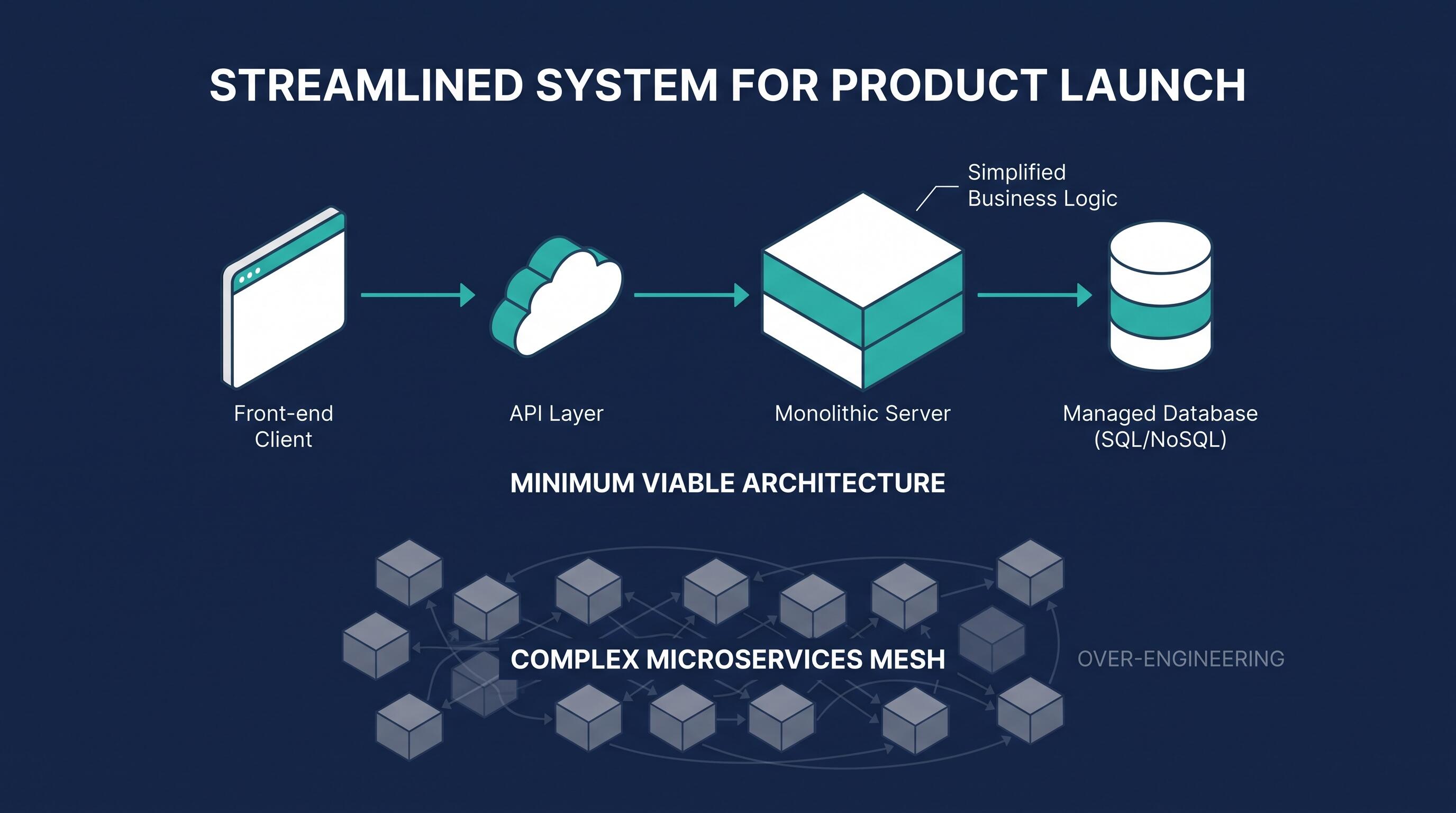
- 2026-06-25 The Minimum Viable Architecture: Building Just Enough to Ship This article argues that "Minimum Viable Architecture" (MVA) — building only what's needed to validate assumptions — is the smartest engineering strategy for early-stage products. Targeting founders, engineers, and tech leads, it delivers a practical framework: map risky assumptions, choose deployment topology, and pre-define upgrade triggers. Key takeaway: simplicity accelerates learning, preserves optionality, and reduces technical debt more than premature complexity ever could. Read →
No posts yet