Blog
Notes from turning ideas into live, running products — AI products, cloud storage, SEO and full-stack practice. The brief is short and frequent; this is long and occasional.
- 2026-07-10 AI Interview vs. Human Mock Interview: When Each Actually Helps Compares AI mock interview tools vs human mock interviews across feedback quality, availability, cost, realism, and scalability. Argues neither replaces the other—AI excels at repetition/consistency for early prep, humans excel at adaptive, high-pressure realism for final rounds. Recommends blending both, sequenced by interview stage. Read →

- 2026-07-10 The Engineering Interview Process for AI Roles: What Actually Predicts Success Argues that AI engineering interviews should prioritize system design fluency, data literacy, evaluation judgment, and communication under ambiguity over algorithmic trivia. Offers practical guidance for both candidates and hiring teams, concluding that scenario-based interviews better predict real job performance than traditional coding-only tests. Read →

- 2026-07-10 How to Build an AI Product Roadmap That Engineering Can Actually Execute The article explains how to build an AI product roadmap that engineering teams can realistically execute, emphasizing dependency mapping, feasibility checkpoints, and clear ownership. It targets product leaders and engineering managers, offering actionable steps, common pitfalls, and a troubleshooting table to reduce rework and align technical and business priorities. Read →

- 2026-07-10 What Happens After You Ship: Keeping Live AI Products Healthy Article argues that keeping live AI products healthy requires deliberate post-launch discipline—monitoring, feedback loops, retraining triggers, and cost governance—planned before launch. Targets engineering leaders scaling AI products, offering a 3-step quick start, maintenance comparison table, and FAQ to prevent silent quality and cost decay. Read →

- 2026-07-09 AI-Powered File Organization: A Getting-Started Guide for Professionals Guide explains how AI-powered file organization helps professionals save time via automated classification, tagging, and search. Offers step-by-step setup, troubleshooting table, and pro tips for teams, creators, and job seekers. Emphasizes auditing files first, choosing content-aware tools, and treating rollout as iterative feedback loop for measurable ROI.</summary>
</invoke> Read →

- 2026-07-09 How to Build and Maintain Engineering Velocity Without Burning Out Your Team Article argues sustainable engineering velocity comes from systemic fixes—capacity planning, protected focus time, distributed on-call, workload visibility—not overtime. Aimed at engineering leaders, it offers a 7-step framework, troubleshooting table, and FAQ, emphasizing burnout as a process failure, not personal weakness. Read →

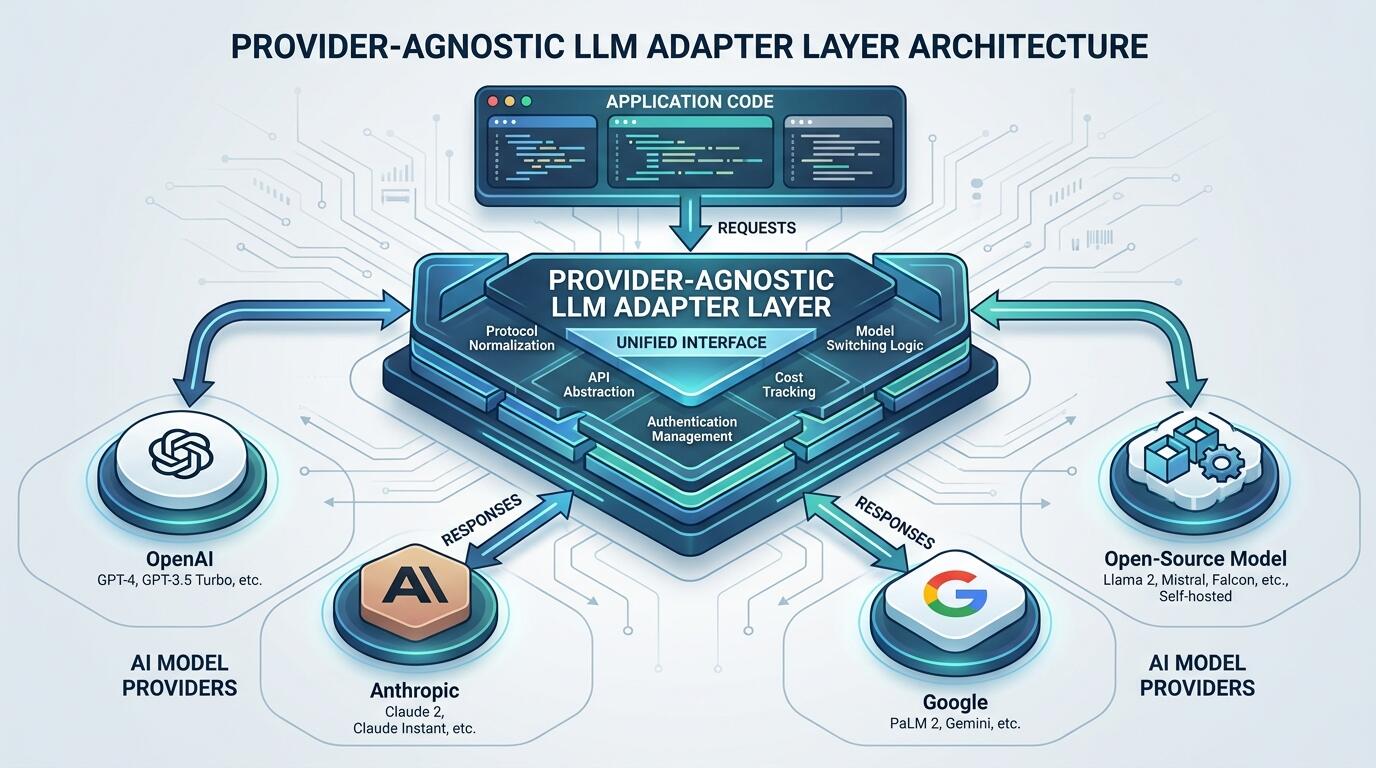
- 2026-07-09 How to Build a Provider-Agnostic LLM Adapter Layer in Your Stack Article explains how to build a provider-agnostic LLM adapter layer to decouple applications from single AI vendors, covering schema design, connectors, routing, fallback, error normalization, and testing. Targets engineers seeking resilient, cost-efficient, future-proof AI architecture with practical steps and common pitfalls. Read →
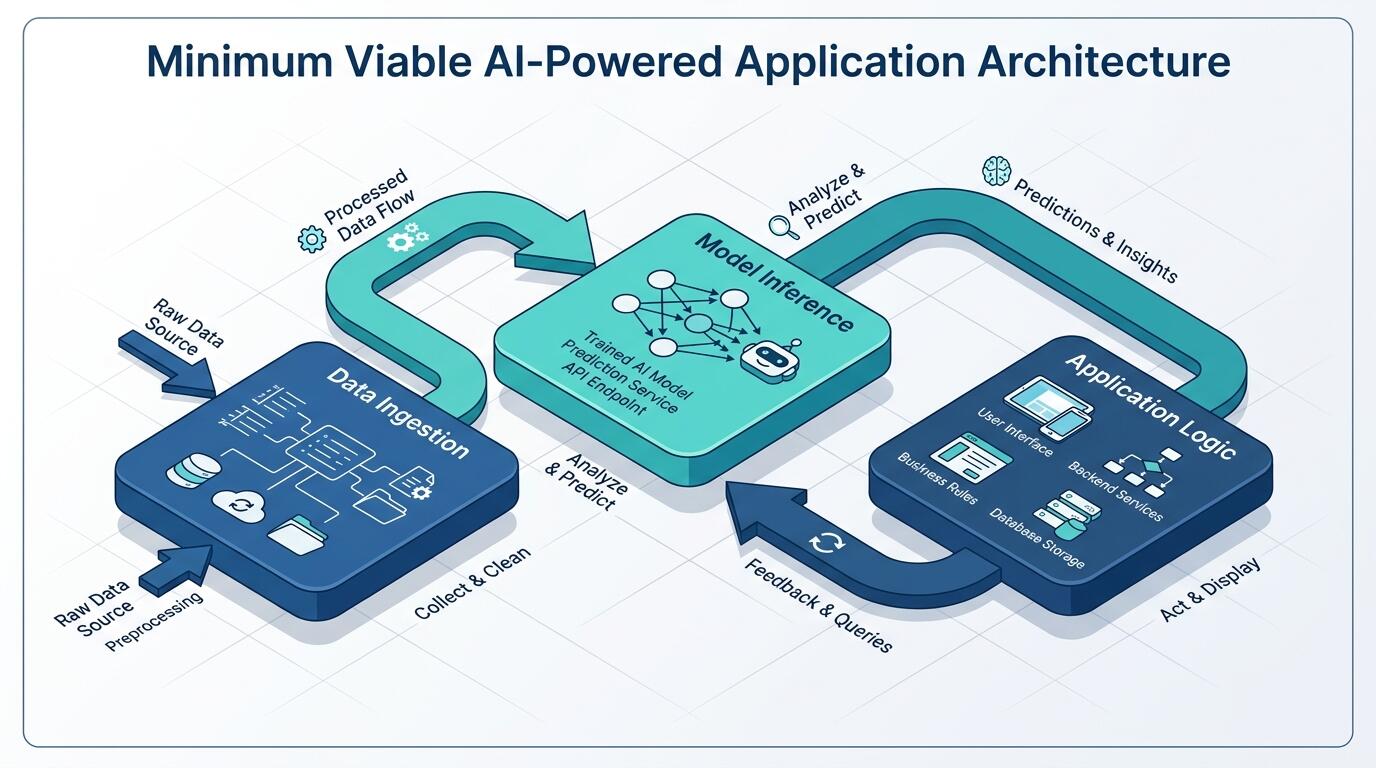
- 2026-07-09 The Minimum Viable Architecture for Your First AI-Powered App Argues that a lean, modular "minimum viable architecture"—separating data ingestion, inference, and app logic—outperforms bolt-on or over-engineered AI builds. Targets engineering teams shipping first AI features, offering a 3-step blueprint, comparison table, and FAQs to avoid costly rebuilds and technical debt. Read →
- 2026-07-08 The Full-Stack Developer's Guide to Integrating OpenAI and Anthropic APIs Guide for full-stack developers on integrating OpenAI and Anthropic APIs into production apps, emphasizing authentication, unified schemas, streaming, fallback routing, cost tracking, and observability. Argues production readiness depends on engineering rigor, not just API calls. Includes troubleshooting table, FAQs, and actionable steps for reliable dual-provider AI systems.</summary>
</invoke> Read →

- 2026-07-08 How AI Cloud Drive Understands Your Files — Not Just Stores Them Explains how AI cloud drives use content extraction, embeddings, and retrieval-augmented generation to understand files beyond mere storage. Targets engineering leaders/founders, arguing intelligence layers, not capacity, drive ROI. Compares legacy, AI-native, and custom RAG approaches, urging fast shipping over prototypes. Read →

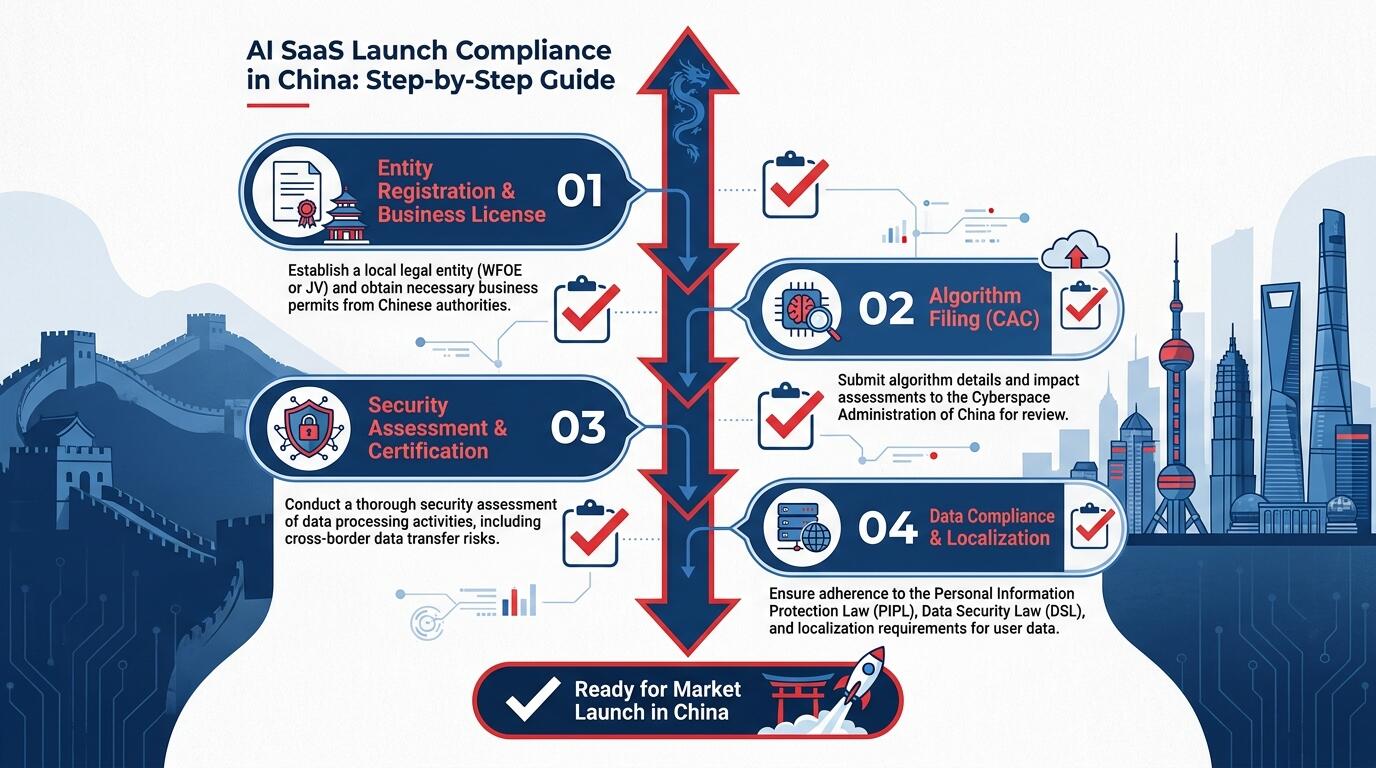
- 2026-07-08 How to Launch an AI SaaS Product in China: A Step-by-Step Compliance Checklist This guide provides a 7-step compliance checklist for launching an AI SaaS product in China, covering entity setup, algorithm filing, security assessment, cross-border data rules, and content moderation. Aimed at engineering leaders and founders, it emphasizes treating compliance as an engineering discipline with ongoing monitoring rather than a one-time gate.</summary>
</invoke> Read →
- 2026-07-08 How to Validate an AI Product Idea Before Writing a Single Line of Code Article argues AI products fail from skipping validation, not technical flaws. It offers a 7-step framework—problem hypothesis, user interviews, capability mapping, fake-door/concierge tests, technical spikes, pricing tests, and go/no-go thresholds—for founders and engineering leaders to test demand and feasibility before coding. Read →

- 2026-07-07 5 AI Adoption Trends Chinese SME Leaders Can't Ignore in Q3 2026 Article outlines five AI adoption trends for Chinese SME leaders in Q3 2026: native AI integration, agentic workflows, AI-augmented hiring, intelligent document management, and content production cockpits. Argues for treating AI as embedded infrastructure rather than bolt-on tools, recommending sequential piloting based on each SME's specific operational bottleneck.</summary>
</invoke> Read →

- 2026-07-07 Build vs. Buy for AI Infrastructure: A Decision Framework for Startups Compares build vs. buy vs. hybrid AI infrastructure strategies for startups across time-to-value, cost, control, talent, and scalability. Argues hybrid composable approach is the most defensible default, buying commodity layers while building only differentiating orchestration and evaluation logic. Provides stage-based recommendations and a decision framework for engineering leaders.</summary>
</invoke> Read →

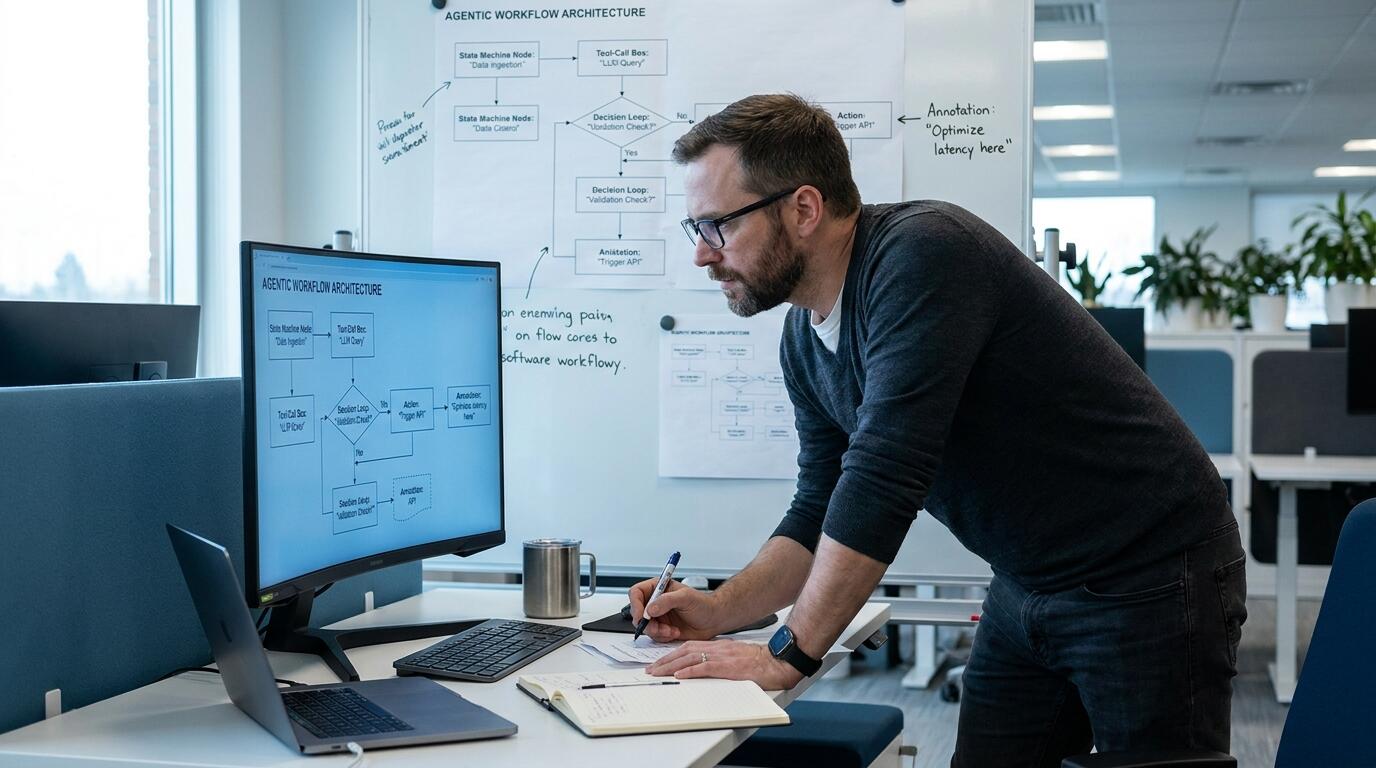
- 2026-07-07 How to Build an Agentic Workflow That Ships to Production Guide on shipping agentic AI workflows to production, emphasizing engineering rigor over prompt tuning: scoping agent authority, state management, tool validation, observability, adversarial testing, graceful degradation, and gradual rollout. Targets AI architects and engineers seeking a repeatable, production-grade deployment framework. Read →
No posts yet