Coding agents
What Claude Code, Codex, Copilot, Cursor and similar tools can and can't do. Every brief item about Coding agents, newest first, each with its primary source.
Timeline 115 items
-
Oct 14 · Wed · 3 items
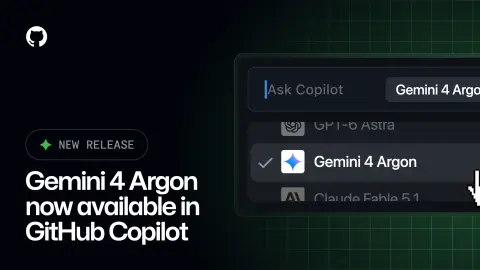
- Tools github.blog ↗Gemini 4 Argon is generally available in GitHub Copilot, billed at provider list price and on by default for Business and Enterprise unless admins turn it off
Take · “On by default, billed at list price” is the line team leads should read. If you run Copilot Business, decide this week whether Argon goes on the allow list, and set a budget before people find it in the model picker. Pair it with the 10-10 change that lets code review be billed to the organization: model choice is now a cost line, not a preference.
From the Oct 14 brief · item 02 → - Tools github.blog ↗Copilot enterprise settings can force a fresh policy at startup and fail closed, and the sandbox key now enforces a minimum client version
Take · This is the same move as Claude Code’s fail-closed hooks on 10-10: when the control can’t be confirmed, the agent doesn’t run. I’d turn it on only for the policies that matter, such as sandbox and network rules, and test it on a laptop with flaky VPN first, since fail closed also means nobody codes when the policy server is down.
From the Oct 14 brief · item 06 → - Tools github.blog ↗Copilot telemetry can attribute agent activity to a user without capturing prompts, with five content classes each off by default
Take · Separating identity from content is the right default: you can answer “whose agent ran this command” in an incident without storing everyone’s prompts. I’d enable identity plus tool arguments for audit, keep prompts and responses off, and apply the same split to the agent logs in our own products.
From the Oct 14 brief · item 07 →
-
-
Oct 12 · Mon · 1 item
- Tools github.blog ↗Copilot weekly releases: VS Code 1.141 shows agent sessions side by side in a grid and cleans up idle worktrees by disk usage
Take · Read with Codex CLI’s managed worktrees from 10-10, every vendor now assumes you run several agents at once, and the tooling follows: comparing results and reclaiming disk. In a large repo each worktree is a full checkout, so cap parallel sessions and clear idle worktrees weekly.
From the Oct 12 brief · item 05 →
-
-
Oct 11 · Sun · 2 items
- Tools github.com ↗Claude Code 2.1.296 extends gateway policies to Claude Desktop’s Code tab and stops edits from mangling non-UTF-8 files such as GBK
Take · Plenty of older Chinese repositories still hold GBK files, and an agent edit could have replaced all the Chinese text in them. Upgrade soon and take the chance to convert those repos to UTF-8. Teams managing settings through the gateway should add the code key too, or the desktop app becomes a gap in their controls.
From the Oct 11 brief · item 03 → - Tools github.blog ↗Copilot for JetBrains lets admins set the default model and lets users turn off automatic MCP server startup
Take · MCP servers that connect as soon as the IDE opens hand out external tool access by default, so I’d have the team turn automatic startup off and start servers when needed. A shared default model also makes cost and output quality easier to compare. Anyone still on 2025.1 needs to upgrade the IDE first.
From the Oct 11 brief · item 06 →
-
-
Oct 10 · Sat · 3 items
- Tools github.com ↗Claude Code 2.1.295 lets hooks fail closed and lets the gateway limit models and time to first byte per upstream
Take · Fail closed is the default a safety hook should have: a guard that lets everything through when it crashes is no guard. I'd switch hooks that block deletions or production config pushes to block, and add health checks for the hooks themselves so a broken one doesn't stall the whole team.
From the Oct 10 brief · item 01 → - Tools github.com ↗Codex CLI 0.162.0 adds managed Git worktree tools and tightens several Linux sandbox gaps
Take · Letting the agent manage worktrees means parallel tasks in one repo become normal. I'd try it in one repo first and agree on naming and cleanup rules for worktrees; the ripgrep fix is also a reminder to test sandbox rules with real commands periodically, not just read the config.
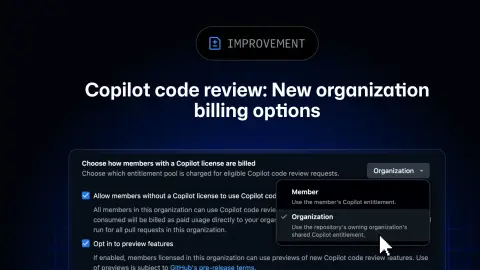
From the Oct 10 brief · item 03 → - Tools github.blog ↗Copilot code review can now be billed to the organization and limited to authorized users
Take · Under the default, a review fails once a member runs out of quota, which is a risk for teams that make review a required check. I'd switch to organization billing with a budget and turn on the authorized-trigger control; read with the review API from 10-05, review is turning from a personal tool into an organizational process cost that someone has to own.
From the Oct 10 brief · item 04 →
-
-
Oct 9 · Fri · 2 items
- Tools github.blog ↗GitHub Copilot CLI 1.0.94-0 discovers local Ollama models in /model and switches to them in-session
Take · The easy trap is the last point: switching to a local model doesn't mean your code stays on the machine. For teams with confidentiality requirements, I'd put COPILOT_OFFLINE=true in shared config instead of relying on everyone to remember to switch models.
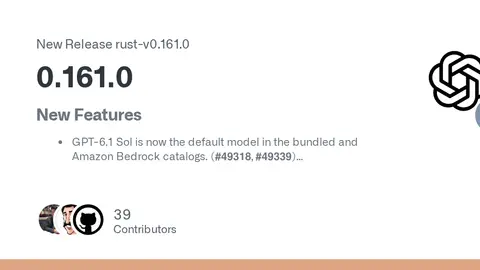
From the Oct 9 brief · item 04 → - Tools github.com ↗Codex CLI 0.161.0 makes GPT-6.1 Sol the default and lets you pick a cyber access program per turn
Take · When the default model changes, the same scripts change in cost and output style. If you run codex exec in CI, I'd pin the model explicitly and switch only after comparing Sol's results and bill on non-critical jobs.
From the Oct 9 brief · item 05 →
-
-
Oct 8 · Thu · 2 items
- Tools github.blog ↗Local sandboxing for GitHub Copilot is generally available, restricting agent commands’ file, network and credential access with enforceable enterprise policies
Take · The biggest worry about letting coding agents run freely has always been what they can touch on your machine. I'd set the team default to: write only to the current repo, no access to Git credentials, network via an allowlist, with local MCP servers included. That beats reviewing every command after the fact, and teams on other coding agents should hold their isolation to the same bar.
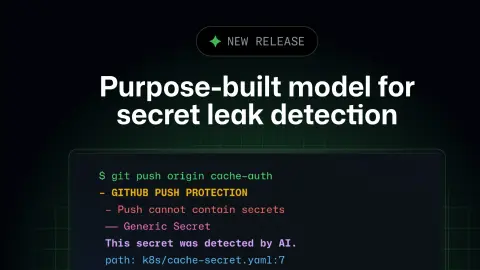
From the Oct 8 brief · item 03 → - Safety github.blog ↗GitHub ships a purpose-built model for leaked secrets that reads surrounding code to catch unformatted passwords, coming to push protection and Copilot /security-review
Take · With agents committing at every step, the odds of a secret slipping into history only go up, and blocking it at push time is far cheaper than rotating it later. I'd pilot push protection on repos that already have GHSP and set a budget cap on AI Credits, since checks bill even when nothing is blocked. GitHub's note that agents shouldn't enable credit-consuming features without explicit authorization is worth copying straight into a team's agent rules.
From the Oct 8 brief · item 04 →
-
-
Oct 6 · Tue · 1 item
- Tools aws.amazon.com ↗AWS releases the aws-ai-ml skill so Claude Code, Codex and Kiro can benchmark SageMaker inference endpoints and generate deployment code
Take · Skills are becoming how cloud vendors compete for the coding-agent entry point: whoever's deployment know-how lives inside the agent gets picked more often. I like that it produces code rather than opaque actions, but benchmarks spin up real endpoints and real bills; give the agent a separate account with a budget cap before letting it run.
From the Oct 6 brief · item 02 →
-
-
Oct 5 · Mon · 1 item
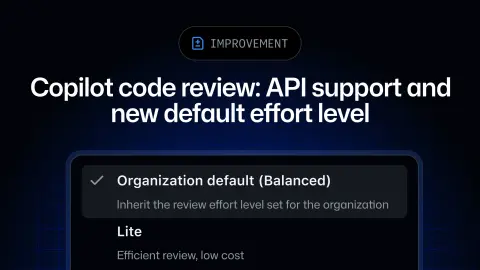
- Tools github.blog ↗GitHub Copilot code review gets REST and GraphQL APIs; Balanced becomes the default effort level
Take · With an API, AI review can plug into your own release flow, for example raising the effort only when a change touches payments or permissions. The default effort changed, so review time and usage may shift too; check your bill and PR wait times this week. I wrote on the blog about how to split review work when AI writes most first drafts.
From the Oct 5 brief · item 03 →
-